Why Wyoming draws visitors
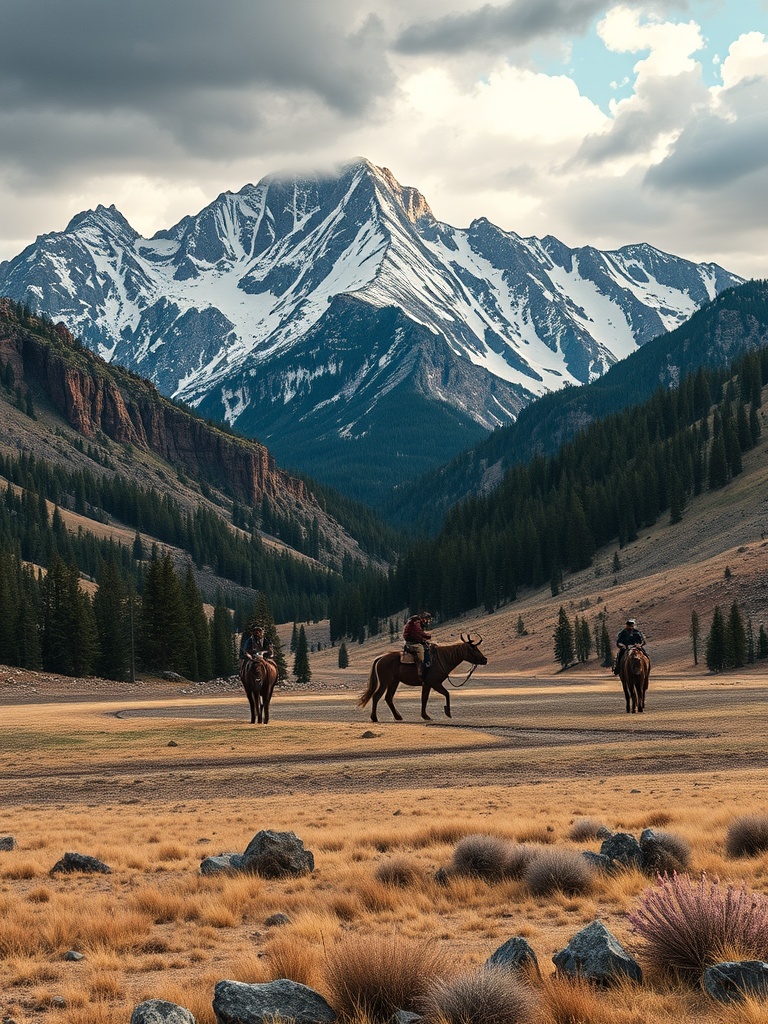
Wyoming’s national parks and public lands are the primary draw. Massive protected areas offer dramatic scenery and a chance to see iconic species in their natural habitat. Hikers, anglers, photographers, and stargazers all find reasons to stay longer: challenging trails lead to alpine lakes and ridgelines, rivers hold trout-rich waters, and low light pollution creates exceptional night skies.
Top activities and where to do them
– Hiking and backpacking: Trails range from easy valley walks to strenuous alpine routes. Popular gateways provide options for day hikes and multi-day backcountry trips. Permits are required for many backcountry campsites, so plan ahead.
– Wildlife viewing: Early mornings and evenings are prime times to spot elk, moose, bison, pronghorn, and occasionally wolves or bears. Use binoculars or zoom lenses rather than approaching animals.
– Fishing: Rivers and high-elevation lakes offer trout fishing in scenic settings. A valid fishing license is required for most waters, and seasonal closures or catch limits can apply.
– Winter sports: Powder and groomed trails cater to backcountry skiers, snowshoers, and downhill resorts.
Winter access can change quickly with weather; gear and planning are essential.
– Scenic drives and photography: Mountain passes, river canyons, and high plateaus create endless photographic opportunities. Sunrise and sunset deliver the most dramatic light.
Safety and responsible travel
Wyoming’s wild character means visitors should be prepared. Altitude can affect energy and breathing on mountain hikes — allow time to acclimate and carry water and electrolytes. Wildlife interactions are a leading safety concern: carry bear spray in bear country, store food securely, and keep a safe distance from all large animals, especially bison and elk.
Thermal areas require strict adherence to boardwalks and signage; the ground can be unstable and scalding.
Leave-no-trace practices are essential. Pack out trash, minimize campfire impact, and stick to durable surfaces to protect fragile alpine and tundra vegetation. Supporting local businesses, guides, and outfitters helps keep tourism sustainable and benefits community resilience.
Practical tips for planning
– Check park and trail conditions before departure: seasonal closures, permit systems, and road access can change rapidly with weather.
– Reserve lodging and guided trips in popular areas well in advance, especially during peak seasons.
– Prepare for variable weather: mountain climates can shift from warm sun to storms quickly; layered clothing and rain gear are a must.
– Respect property and grazing lands: many scenic drives and trailheads abut working ranches and public grazing allotments.
Why thoughtful travel matters
Wyoming’s landscapes are both resilient and fragile.
Tourism supports local economies but also creates pressures on ecosystems and communities. Choosing low-impact activities, following park regulations, and learning about local conservation efforts helps ensure these wide-open spaces remain wild and accessible.
For travelers seeking expansive scenery, active outdoor time, and authentic Western culture, Wyoming delivers an unforgettable mix of adventure and calm — when approached with planning, respect, and a readiness to embrace the state’s big skies and bigger horizons.