Wyoming is known for its dramatic landscapes, low population density, and a culture rooted in outdoor life. From visitors seeking sweeping mountain panoramas to residents balancing ranching, tourism, and new energy projects, the state offers a mix of timeless traditions and emerging opportunities.
Outdoor recreation and tourism
One of Wyoming’s biggest draws is outdoor recreation. Iconic destinations like Yellowstone and Grand Teton draw visitors for wildlife viewing, hiking, fishing, and backcountry adventure. Beyond the headline parks, hundreds of miles of lesser-known trails, scenic byways, and public lands reward exploration with solitude and spectacular vistas.
For travelers interested in wildlife, spring and fall bring high chances of spotting elk, bison, moose, and a wide variety of birds across different habitats.
Practical travel tips: plan ahead for limited services in remote areas, carry layers for rapidly changing mountain weather, and respect wildlife viewing distances.
Consider visiting less-crowded state parks and national forests for a quieter experience while supporting local economies in small towns.
Wildlife management and coexistence
Balancing wildlife conservation with agricultural and recreational needs is an ongoing conversation. Efforts to manage predator populations, migratory corridors, and habitat protection are important to ranchers, hunters, and conservationists alike.
Community-led initiatives and adaptive management strategies aim to reduce conflicts—like livestock depredation and vehicle collisions—while maintaining robust ecosystems that support tourism and hunting traditions.
Energy transition and economic change
Wyoming’s economy has long been linked to energy production. Coal, oil, and natural gas have shaped communities and employment, while wind power development has grown due to strong high-altitude and prairie winds. As demand shifts globally, there’s increasing interest in diversifying the energy mix, including renewable projects and critical-mineral extraction for batteries and technology. These changes create both challenges and opportunities for local workers and policymakers focused on workforce transition and long-term community resilience.
Small towns, culture, and local food
Small towns across Wyoming retain strong community identities—historic downtowns, rodeos, and local festivals are central to social life. Culinary scenes are expanding, with an emphasis on locally sourced game, beef, and produce, alongside craft breweries and coffee shops emerging in larger towns.
For people seeking a quieter pace of life, the state’s low taxes and wide-open spaces appeal to remote workers and entrepreneurs, though broadband access and healthcare can vary by county.
Outdoor stewardship and responsible travel
Visitors and residents alike are encouraged to practice Leave No Trace principles, support local businesses, and learn about indigenous and settler histories tied to the land. Responsible travel helps preserve the landscapes that make Wyoming special and supports economies beyond the major tourist hubs.
Getting there and getting around
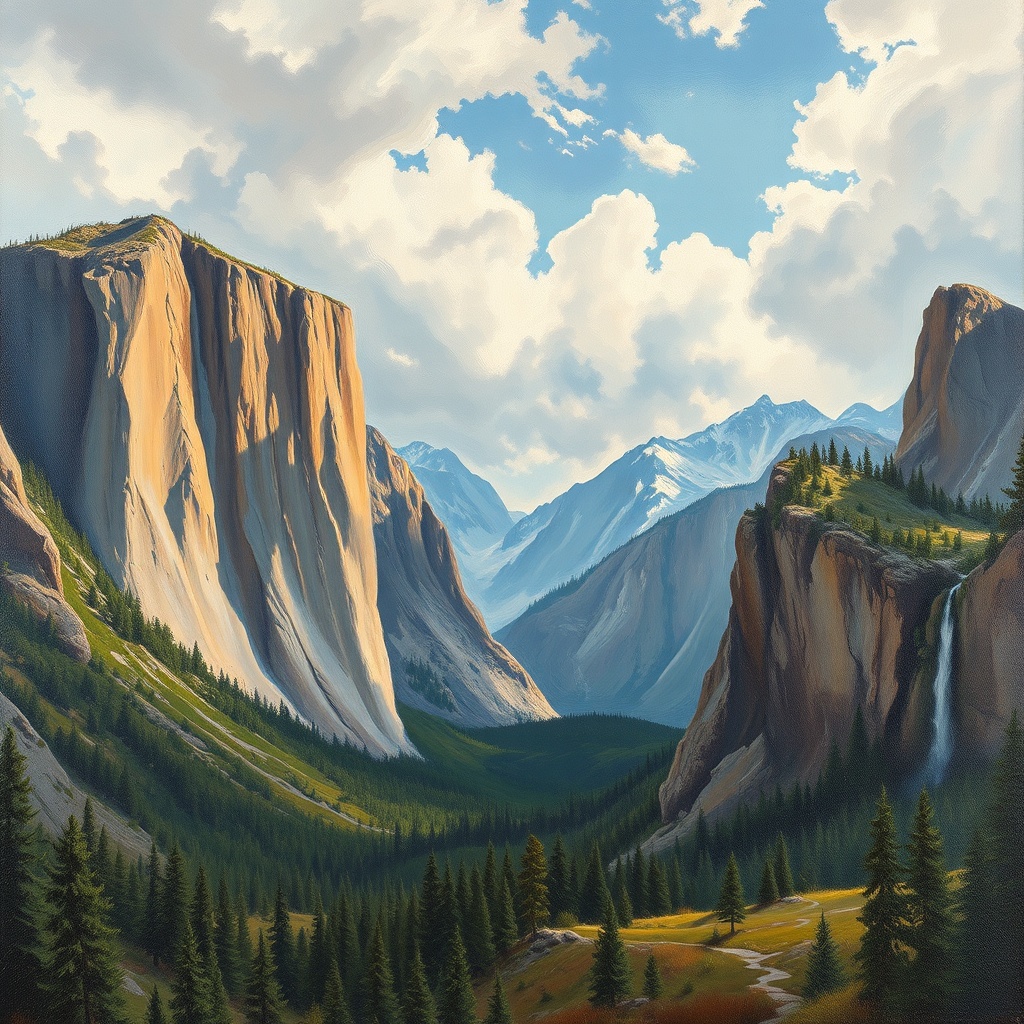
Major airports and scenic highways connect the state to regional destinations; however, many of the most rewarding experiences are a drive away from urban centers. Renting a vehicle with good clearance and planning fuel stops are sensible precautions when exploring remote regions.
Wyoming remains a compelling destination for nature lovers, adventure seekers, and anyone drawn to wide horizons and clear night skies. Whether the goal is trail time, wildlife photography, or simply quiet reflection, thoughtful planning and respect for local communities make for a richer visit and a positive impact on the places you explore.