Natural highlights and outdoor adventure
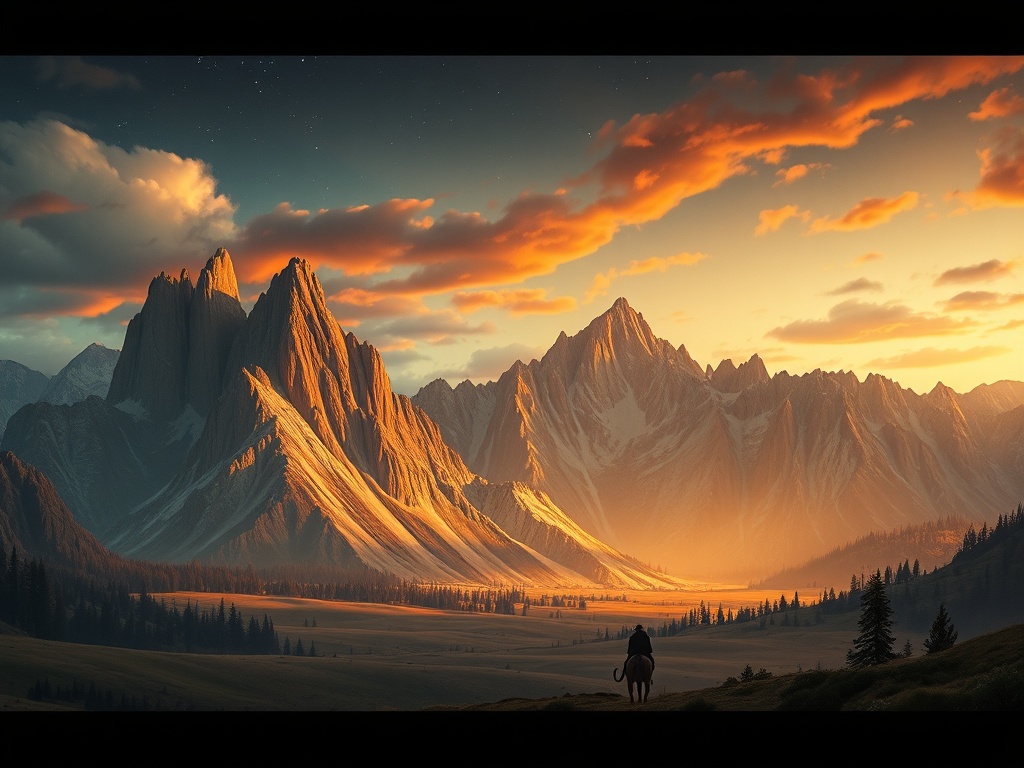
The state’s signature landscapes — dramatic mountain ranges, geyser basins, and endless sagebrush country — make it a playground for outdoor enthusiasts. Popular mountain areas offer world-class hiking, climbing, and backcountry skiing. National park lands draw visitors for iconic sights, while lesser-known state parks and wilderness areas provide solitude and excellent stargazing thanks to minimal light pollution.
Wildlife is abundant: elk, bison, moose, pronghorn, and a thriving bird community are common in many regions. Responsible viewing is essential — keep distance, never feed animals, and follow local guidelines to protect both wildlife and your safety.
Outdoor tips
– Pack layers: mountain weather changes fast and can be hot on the valley floor but cool at higher elevations.
– Carry bear spray and know how to use it; food storage regulations apply in many backcountry zones.
– Expect limited cell service; download maps and inform someone of your route for longer trips.
– Check for permit requirements for backcountry camping or wilderness access.
Cultural experiences and events
The state’s cowboy heritage and frontier festivals remain vibrant, with rodeos, craft fairs, and local music scenes across small towns and mountain communities.
Museums and historic sites preserve stories of Native peoples, early settlers, and the ranching economy that shaped the region.
Small-town hospitality and regional cuisine — from bison burgers to trout — add local flavor to any visit.
Energy, economy, and conservation
Energy production has long influenced the state’s economy. Fossil fuels, mineral extraction, and growing renewable energy projects coexist with ranching and tourism.
Wind projects are expanding across open basins, while mineral resources unique to the region support specialized industries. These economic threads often intersect with conservation and public land management debates — balancing development with habitat, migration corridors, and recreational access is an ongoing focus for communities and policymakers.
Conservation issues
Wildlife management, migratory corridors, and invasive species are recurring conservation topics. Populations of big game and predators require careful monitoring and adaptive management to support biodiversity and local livelihoods.
Partnerships among state agencies, tribal communities, conservation organizations, and ranchers play a key role in crafting solutions that aim to preserve landscapes while supporting working lands.
Getting there and getting around
Road trips remain the best way to experience the variety of landscapes. Scenic byways traverse mountain passes and grasslands, but travelers should be prepared for long distances between services.
Winter travel brings unique challenges; pass conditions and sudden weather shifts mean checking road advisories before setting out.
Practical packing checklist
– Layered clothing and rain gear
– Sturdy boots and daypack
– Bear spray and food storage containers
– Paper maps or offline navigation apps
– Sunscreen, sunglasses, and refillable water bottle
Why visit now
For travelers seeking rugged scenery, wildlife, and quiet skies, this state delivers an immersive outdoor experience. It’s also a place to witness and learn about how communities navigate modern challenges — from energy transitions to habitat protection — while maintaining a distinct cultural identity rooted in the land. Whether you’re after adventure, solitude, or a deeper understanding of western landscapes, the state offers unforgettable experiences that reward curiosity and respect for the natural world.