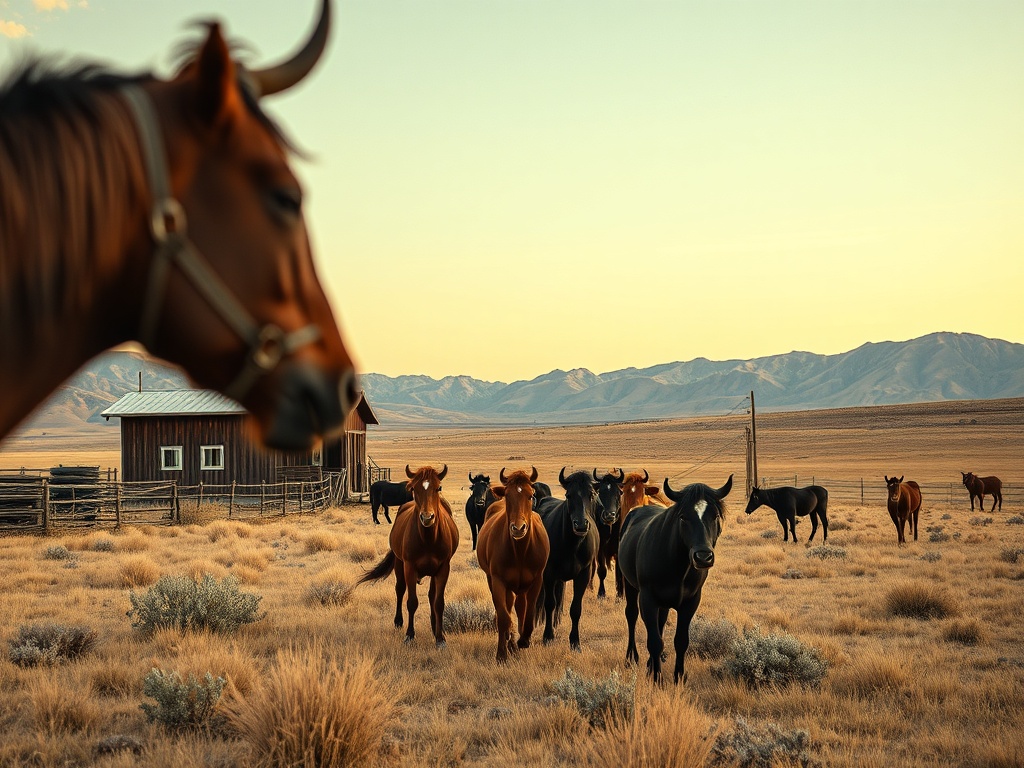
Whether you’re considering a guest ranch vacation, researching ranch real estate, or exploring conservation and sustainable ranching practices, Wyoming provides a diverse set of experiences shaped by high plains, mountain ranges, and a culture tied to the land.
Why Wyoming ranches stand out
Wyoming ranches are prized for sweeping vistas, long grazing seasons at higher elevations, and proximity to world-class outdoor recreation — fishing, horseback riding, hunting, and wildlife viewing. Many properties border public lands, offering access to miles of trails and backcountry. The state’s ranches range from historic cattle operations to boutique guest ranches catering to visitors seeking an authentic western experience.
Guest ranches and ranch vacations
Guest ranches (often called dude ranches) remain a major attraction. They combine comfortable accommodations with daily activities like trail rides, cattle drives, fly-fishing, and wildlife tours. These operations appeal to families, outdoor enthusiasts, and travelers who want immersive cultural experiences without sacrificing comfort. For anyone booking a stay, look for ranches that emphasize safety, small group sizes, and authentic local cuisine and programming.
Working ranch ownership: things to consider
Buying a ranch in Wyoming involves more than acreage.
Water rights, grazing leases, state and federal regulations, and access to markets shape the value and viability of a property. Working ranches depend on reliable water sources — springs, rivers, and irrigation ditches — and water rights can be as important as land. Many buyers also evaluate livestock infrastructure, hay production capability, fencing condition, and proximity to processing and supply services.
Conservation and sustainability trends
Sustainable ranching practices are growing in popularity. Regenerative grazing techniques — rotational grazing, managed rest periods, and adaptive stocking — can improve soil health, enhance forage resilience, and support wildlife habitat. Conservation easements offer a tool for ranch owners who want to protect open space while accessing tax benefits and financial incentives.
Additionally, some ranches participate in carbon markets or habitat conservation programs, creating complementary income streams tied to sustainable land management.
Wildfire, invasive species, and climate resilience
Wildfire risk and invasive species like cheatgrass influence how ranches are managed. Proactive measures — defensible-space planning around structures, fuel breaks, prescribed grazing, and targeted invasive-species control — help protect assets and maintain forage quality. Drought planning, diversified forage systems, and on-ranch water storage are increasingly part of resilient ranch management strategies.
Recreation, hunting leases, and agritourism
Hunting leases and agritourism supplement income for many ranches. Guided big-game hunts, bird hunting, and wildlife phototours attract out-of-state revenue while keeping land in productive use. Agritourism can include farm-to-table dinners, educational workshops, and seasonal events that deepen public appreciation for working lands and rural livelihoods.
Working with local experts
Navigating the complexities of Wyoming ranches benefits from local expertise. Land brokers, natural resource consultants, range specialists, and attorneys familiar with water law and conservation easements provide crucial guidance.
For visitors, local outfitters and visitor centers can offer up-to-date information on trail conditions, wildlife seasons, and safety precautions.
Whether you’re looking to lease land, buy a working ranch, or book a guest ranch stay, Wyoming’s ranchlands present opportunities to connect with a living western heritage while adopting practices that support long-term resilience and stewardship. Start by identifying priorities — recreation, livestock operations, conservation — and consult local professionals to match those goals with the right property or experience.