What makes Wyoming ranching distinctive
Wyoming’s mix of high plains, river valleys, and mountain foothills supports diverse ranching models.
Many operations still focus on cow-calf production and grass-finished beef, while others diversify with hay production, outfitting and guiding, hunting leases, and guest ranch hospitality. The proximity of federal public lands adds flexibility for seasonal grazing but also requires careful planning around grazing permits and range health.
Sustainable practices and land stewardship
Sustainable stewardship is central to long-term success.
Rotational grazing improves forage recovery and soil health, while riparian restoration stabilizes stream banks, increases biodiversity, and benefits both wildlife and livestock. Prescribed grazing combined with occasional disturbance mimics natural cycles and helps control invasive plants like cheatgrass.
Conservation easements are increasingly used to protect open space while providing tax incentives for owners who want to keep ranchland working and undeveloped. Collaborations with local land trusts and conservation organizations can help ranches balance economic viability with ecological goals.
Wildlife and coexistence
Ranch landscapes support pronghorn, elk, mule deer, sage-grouse, and a host of smaller species. Maintaining habitat corridors and native sagebrush steppe is critical for long-term wildlife health. Many ranches participate in habitat enhancement projects and adapt livestock practices to minimize conflict, such as using guardian animals, night penning, and strategic herding.
Recreation and guest ranch culture
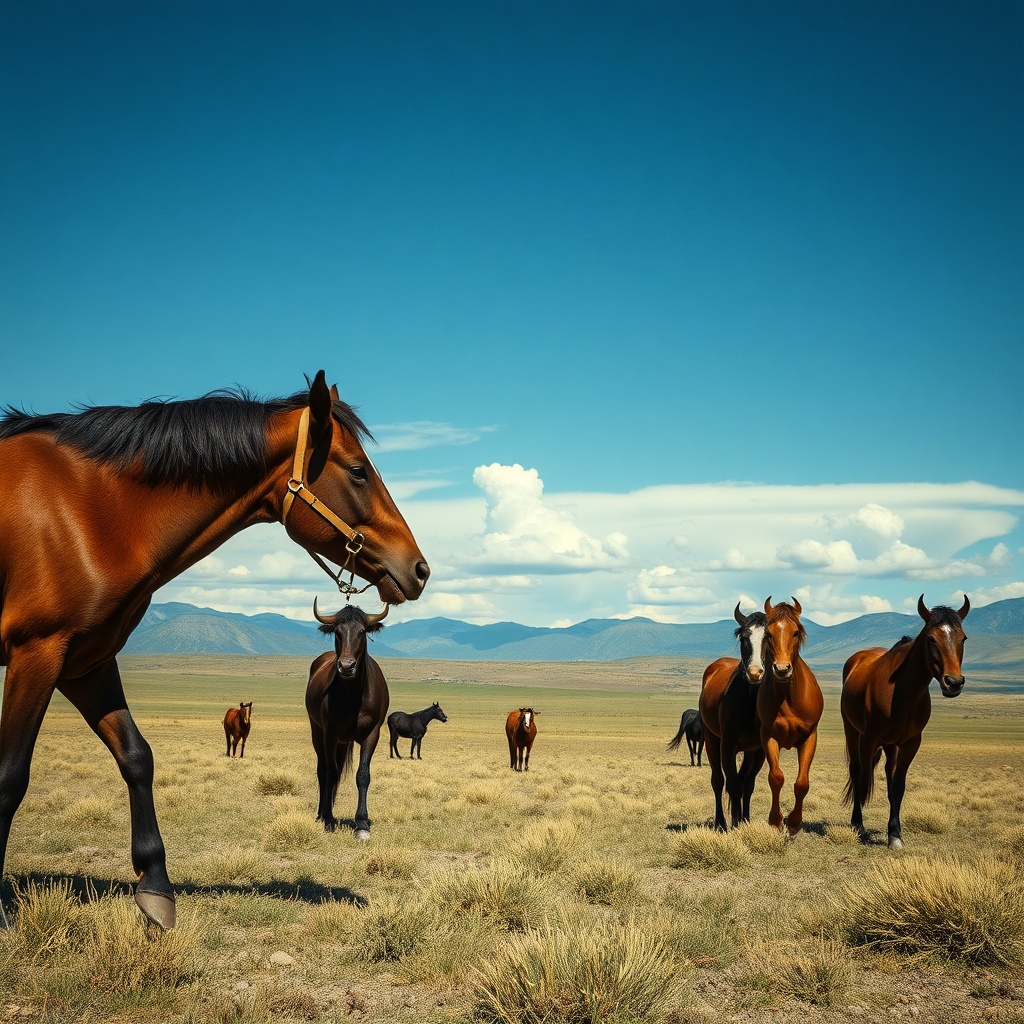
Guest ranches—sometimes called dude ranches—offer authentic western experiences: horseback trail rides, cattle drives, fly fishing, and evenings around a campfire. These operations provide supplemental income and introduce visitors to ranching realities. Anglers are drawn to Wyoming’s blue-ribbon trout streams; hunters seek big game seasons and upland bird hunts guided by experienced outfitters.
Key considerations for buyers and visitors
– Water rights and access: Confirm surface and groundwater rights, well permits, and irrigation infrastructure. Water availability often determines usable acreage.
– Grazing and permits: If adjacent to public lands, review grazing allotments and permit histories.
These affect carrying capacity and seasonal grazing plans.
– Infrastructure: Check fencing, corrals, working chutes, and water delivery systems. Upgrades can be costly but improve efficiency and safety.
– Access and services: Remote locations offer privacy but consider road access, proximity to markets, and internet connectivity—important for modern operations and remote workers.
– Conservation tools: Explore conservation easements, habitat grants, and cost-share programs that offset improvements and preserve working landscapes.
Challenges and opportunities
Ranching requires adaptability.
Weather extremes, feed costs, and market swings can pressure margins, but diversification—through hospitality, renewable energy leases, carbon programs, or value-added products—creates resilience.
Technology such as remote sensors, solar-powered pumps, and low-cost telemetry helps manage livestock and water more efficiently.
Whether the goal is a working cattle operation, a part-time ranch getaway, or a guest ranch business, Wyoming offers a landscape where stewardship and entrepreneurship meet. For visitors, it’s an invitation to slow down and connect with land and livestock. For buyers and owners, thoughtful management and community partnerships keep ranches productive and the open West intact.
Leave a Reply