What makes Wyoming ranches special
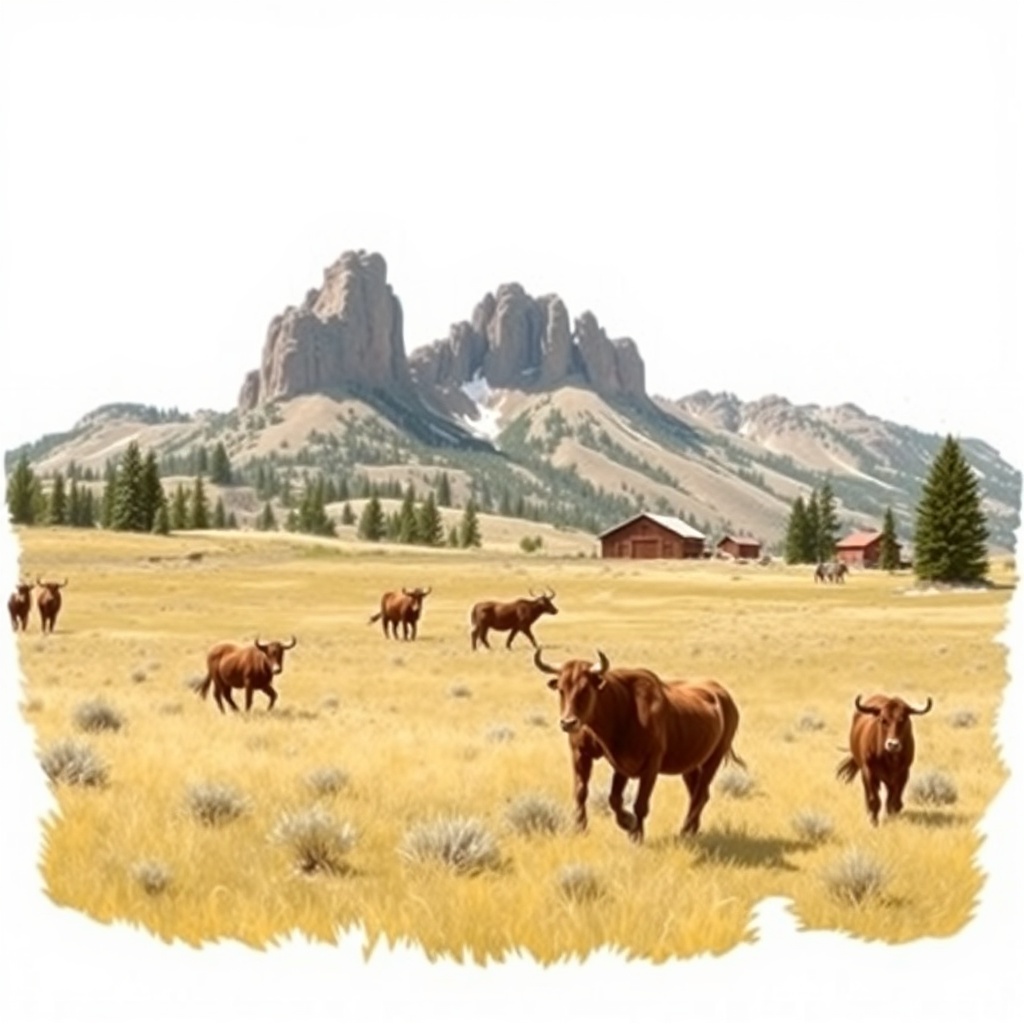
Wyoming’s ranches are defined by vast grasslands, dramatic mountain backdrops, and access to public lands managed for multiple uses. Many properties combine livestock production with recreational uses like hunting, fishing, and guided trail riding. The combination of productive grazing, scenic value, and proximity to national forests or BLM lands creates strong appeal for buyers, guests, and conservation partners.
Types of ranches
– Working cattle or sheep ranches: Focused on livestock production, these operations emphasize grazing management, water infrastructure, and seasonal moves.
– Guest and dude ranches: Built to host visitors, they offer lodging, meals, trail rides, and curated Western experiences.
– Recreational/outfitter properties: Often purchased for access to big-game hunting, fishing, and backcountry recreation.
– Conservation and lifestyle ranches: Owners prioritize habitat protection, native grass restoration, and stewardship income through easements or incentive programs.
Key considerations for buyers and visitors
– Water rights and infrastructure: Water access shapes the value and viability of a ranch. Understand whether water is deeded, appropriative, or tied to irrigation ditches, and inspect wells, pipelines, ponds, and stock tanks.
– Grazing allotments and public land access: Many Wyoming operations rely on grazing permits on federal lands. Confirm permit terms, renewal processes, and grazing seasons.
– Fencing and infrastructure condition: Miles of fencing, cattle guards, barns, and corrals are central to operations.
Factor maintenance and replacement costs into any purchase.
– Wildlife and habitat: Healthy sagebrush, riparian corridors, and winter range are critical for wildlife and for meeting conservation commitments tied to leases or easements.
– Risk management: Drought, wildfire, and market volatility affect ranch economics.
Evaluate insurance, emergency water plans, and fire-prevention measures.
Sustainable ranching practices
Adopting regenerative practices can boost resilience and long-term productivity.
Techniques commonly used include rotational grazing to build soil health, riparian fencing to protect waterways, reseeding with native grasses, and integrating targeted brush control. Many ranches also explore diversified income streams—such as outfitting, seasonal lodging, working-guest programs, or conservation payments—to stabilize revenue.
Opportunity areas for owners
– Agritourism and guest services: Well-managed guest ranches can command premium rates for unique, authentic experiences.
– Conservation easements and partnerships: Working with land trusts and conservation programs can generate income while preserving open space and wildlife habitat.
– Renewable energy and carbon programs: Some properties consider solar installations for remote power needs or participate in voluntary carbon markets tied to improved soil carbon through grazing practices.
Practical tips
– Work with a ranch-savvy real estate broker who understands water law, grazing permits, and local markets.
– Conduct a working-ranch inspection with an experienced operator to assess infrastructure and operational needs.
– Build relationships with local extension services, conservation districts, and livestock associations for technical support and funding options.
Wyoming ranches offer a compelling mix of livelihood, lifestyle, and landscape conservation.
With careful due diligence and a focus on sustainable management, they can provide both a rewarding way of life and resilient, diversified income streams for owners and communities.