What makes Wyoming ranches distinctive
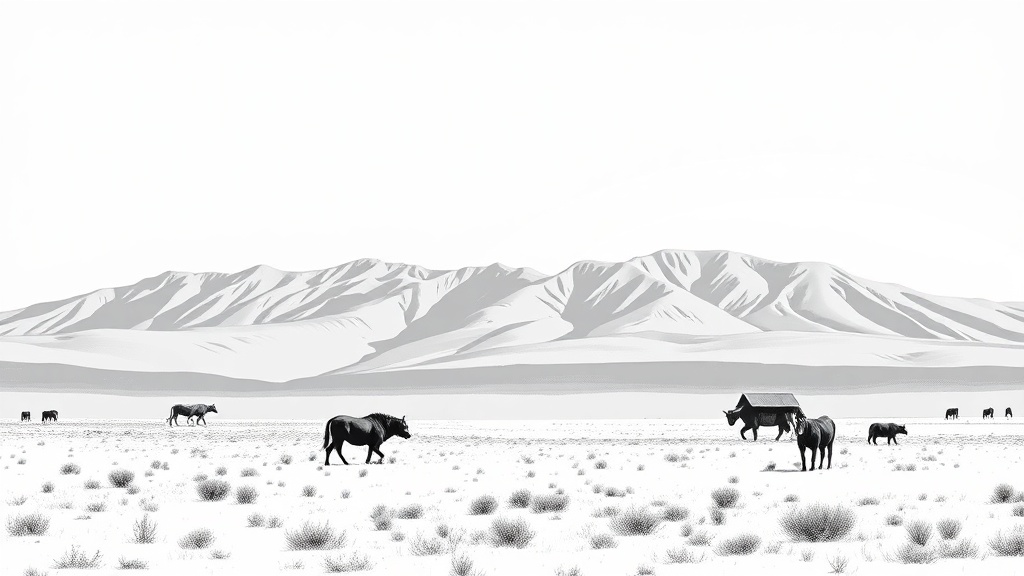
– Landscape diversity: High plains, sagebrush steppe, river valleys, and mountain foothills create varied grazing, habitat, and recreational values. Elevation and precipitation patterns shape forage availability and seasonal grazing plans.
– Working culture: Ranch operations still center on cattle and, in many areas, sheep. Many ranches balance commercial livestock production with supplemental income from hunting leases, guest stays, or conservation programs.
– Wildlife interface: Elk, mule deer, pronghorn, and a host of upland bird species share the landscape, adding value for hunting leases and ecotourism but also creating needs for proactive wildlife-livestock management.
Sustainable practices and land health
Ranchers increasingly adopt practices that boost long-term resilience. Rotational grazing helps maintain plant diversity and soil health while reducing overgrazing. Protecting riparian areas with fenced buffers improves water quality and supports native vegetation.
Prescribed burning and targeted invasive species control combat encroaching shrubs and annual grasses that can disrupt native ecosystems. Many properties benefit from partnering with land trusts and conservation programs that offer financial incentives for maintaining open space and wildlife habitat.
Ranching and revenue diversification
Beyond livestock sales, revenue streams commonly include:
– Guest ranch stays and agritourism: Trail rides, fly-fishing, and immersive ranch experiences attract visitors seeking authentic Western hospitality.
– Hunting and fishing leases: Big-game migrations and private water access make many ranches attractive for seasonal leases.
– Renewable leases: Some landowners explore solar or wind lease opportunities on lower-value rangeland where compatible.
Diversifying income can help balance market swings and fund improvements like upgraded fencing, water developments, and restoration projects.
Key considerations for buyers and new operators
– Water and grazing rights: Verify surface and groundwater rights, and if federal public lands are used, confirm grazing permit details and season-of-use.
Water availability often dictates carrying capacity.
– Mineral rights and access: Understand whether mineral ownership is separate and how access easements affect use and development.
– Infrastructure and terrain: Evaluate the condition of corrals, barns, wells, pipelines, and roads. Topography affects fencing costs and grazing logistics.
– Tax and estate planning: Agricultural use classifications and conservation easements can influence property taxes and legacy planning; consult local advisors familiar with rural property issues.
Visitor experiences
Dude ranches remain a popular way to experience Wyoming ranch life without taking on operational responsibilities. Activities typically include guided horseback rides, fly-fishing, wildlife viewing, rugged trail excursions, and hands-on ranch activities for guests of all ages.
Many operations emphasize small-group experiences, personalized instruction, and authentic meals prepared from local ingredients.
Wyoming ranches are more than real estate; they are working landscapes shaped by climatic variability, stewardship choices, and the ongoing balance between production and preservation. For those drawn to wide horizons and hands-on land management, these properties offer enduring appeal and a platform to invest in both livelihood and landscape health.