Wyoming ranches offer a blend of wide-open spaces, rugged beauty, and practical opportunity.
Whether you’re drawn by cattle operations, a guest ranch lifestyle, conservation goals, or simply the privacy and vistas, understanding what makes ranching in Wyoming distinct helps you make better decisions.
Land and landscape
Ranches range from low-elevation sagebrush basins to high-elevation mountain pasture. Soils, precipitation and elevation determine stocking rates and forage types. Many properties include riparian corridors and native grasslands that support both livestock and wildlife. Proximity to public lands managed by federal agencies can expand grazing options but often involves permit processes and seasonal use patterns.
Working operations and infrastructure
A working ranch needs reliable water, fencing, handling facilities, barns and access roads. Water rights and irrigation systems are especially important in arid areas; owners often manage springs, reservoirs and irrigation ditches. Rotational grazing and pasture management can increase forage productivity and animal health while protecting riparian areas.
Many successful operations combine cattle production with other income streams to balance market volatility.
Diversifying revenue
Ranches increasingly diversify beyond traditional livestock sales. Popular options include:
– Guest and “dude” ranch stays for tourism and events
– Hunting and fishing leases
– Conservation easements that provide tax benefits while protecting habitat
– Renewable energy leases, where suitable
– Value-added agriculture such as direct-to-consumer beef or specialty hay
These alternatives can make a property financially resilient while preserving working-land character.
Conservation and stewardship
Wyoming ranchers often play a frontline role in preserving native ecosystems. Techniques like targeted brush management, riparian restoration, prescribed grazing and habitat enhancement for species such as sage-grouse are commonly employed. Partnering with conservation organizations or participating in habitat incentive programs can fund improvements and secure long-term stewardship commitments.
Regulatory, tax and water considerations
Understanding local regulations, county land-use policies and state water law is essential. Water rights can be complex; ensuring they are documented and transferable is a top priority for buyers. Property tax structures vary by county and sometimes favor agricultural classification—maintaining qualifying practices can provide tax advantages. Work with local attorneys, appraisers and agents experienced in ranch transactions.
Lifestyle and community
Ranch life in Wyoming is as much about community as it is about land.
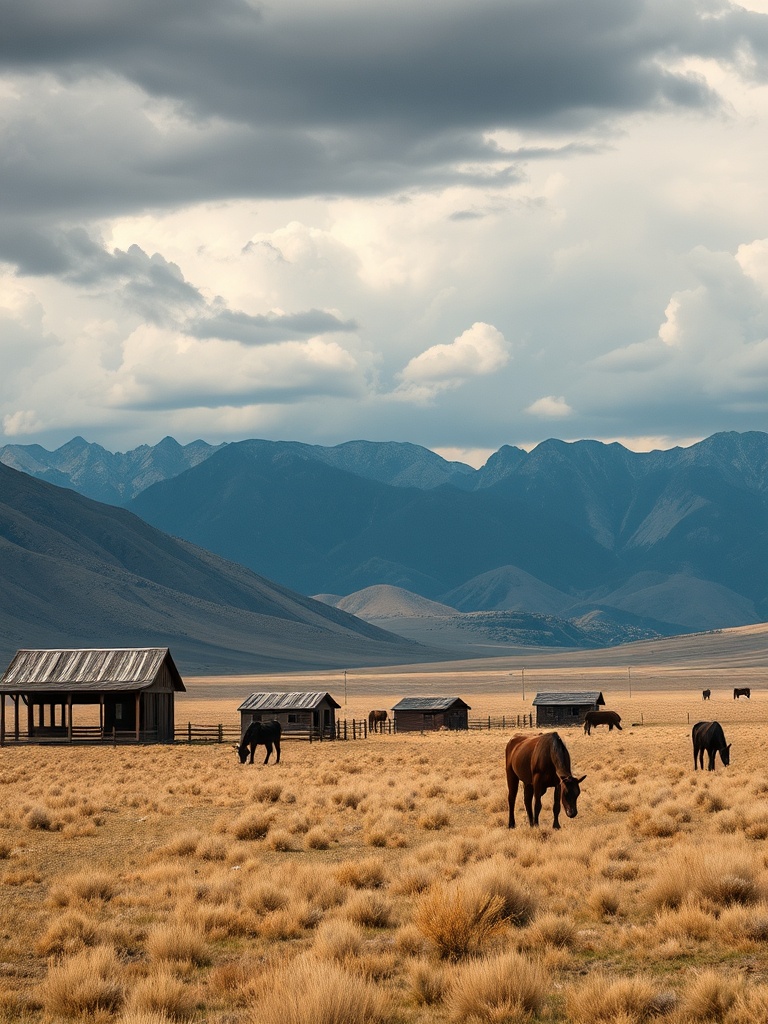
Many ranches are close to small towns with services, schools and supply networks, while more remote operations require self-sufficiency. Seasonal rhythms—calving, branding, haying and winter feeding—shape daily life.
For newcomers, engaging with neighboring ranchers and extension agents accelerates learning and access to trusted services.
Buying or selling a ranch
Successful transactions depend on thorough due diligence: soil and forage assessments, water right verification, fence and infrastructure inspections, and clear title. Asking the right questions about grazing history, wildlife issues and lease arrangements reduces surprises.
When selling, clear documentation of carrying capacity, annual production and improvements adds value.
Wyoming ranches combine natural beauty with practical opportunity. Whether the goal is a full-time cattle operation, a family retreat, or a working landscape preserved for future generations, careful planning, stewardship and a clear diversified strategy create lasting value and a rewarding ranching life.