Wyoming ranches combine expansive landscapes, a deep ranching heritage, and practical opportunities for conservation-minded owners. Whether you’re drawn to a working cattle operation, a guest ranch that welcomes visitors, or a small ranchette as a lifestyle retreat, understanding land stewardship, water access, and revenue diversification is essential.
What defines a Wyoming ranch
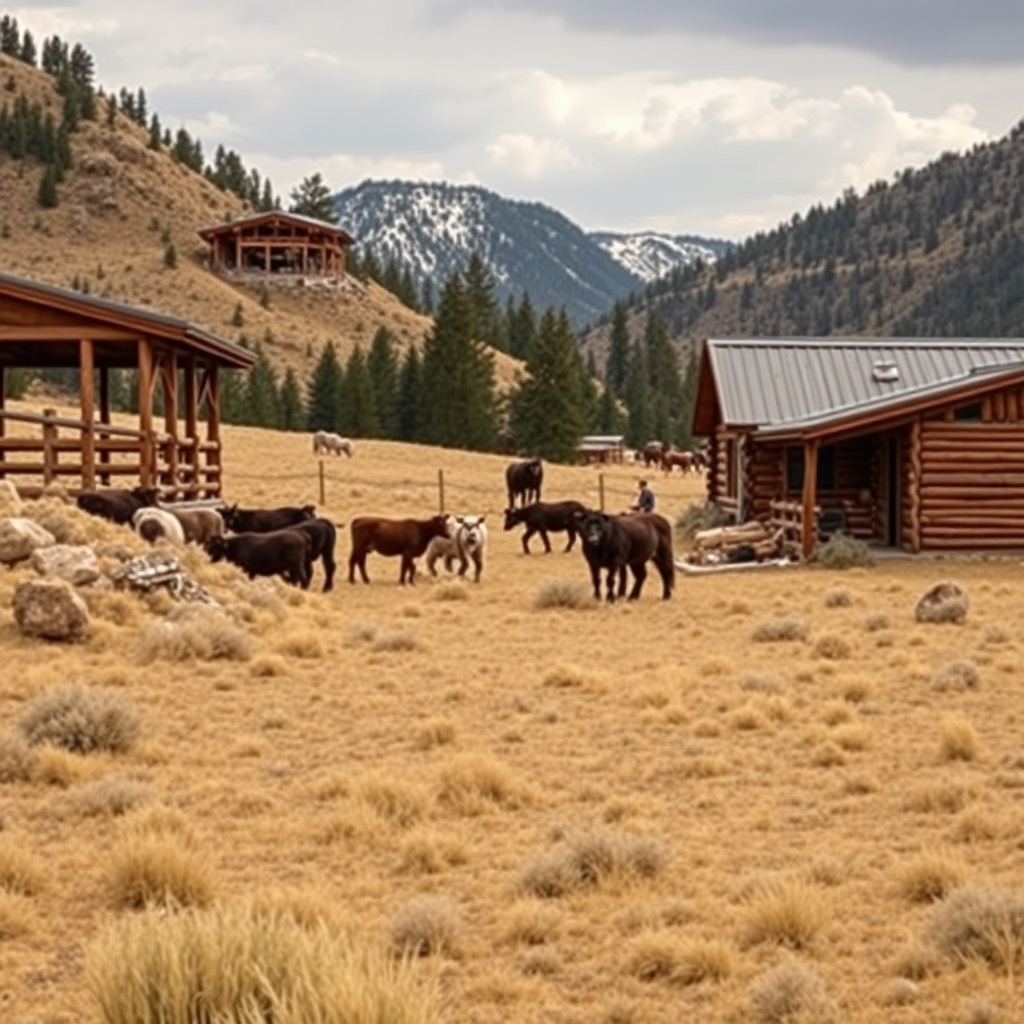
Wide pastures framed by mountain silhouettes, sagebrush flats, and seasonal rivers are signature features. Many ranches include deeded acreage plus grazing permits on public lands, making land management a mix of private stewardship and federal grazing relationships. Infrastructure—barns, corrals, hay storage, and well-maintained fencing—supports livestock operations and resale value. Proximity to roads, services, and markets affects both operating costs and lifestyle convenience.
Key considerations for buyers and owners
– Water and water rights: Reliable water sources and clearly documented water rights significantly affect a ranch’s value. Check irrigation systems, well capacity, and any historical water use records.
– Grazing permits and public land access: If the ranch relies on BLM or Forest Service allotments, review permit terms and past grazing use.
Seasonal grazing schedules can shape herd management.
– Soil, forage, and range health: Assess soil condition, invasive species presence, and native forage productivity. These factors influence stocking rates, hay production, and long-term sustainability.
– Infrastructure condition: Evaluate corrals, handling facilities, barns, and fencing for immediate repair needs. Energy access, septic systems, and road maintenance are practical items that affect daily operations.
– Legal and tax considerations: Estate planning, property taxes, and potential tax benefits from conservation easements can all be impactful. Work with advisors familiar with agricultural properties.
Sustainable practices that add value
Adopting regenerative grazing techniques—rotational grazing, rest periods for pastures, and targeted riparian protection—improves forage resilience and supports wildlife. Riparian restoration and erosion control not only protect water quality but also boost habitat and can open doors to conservation funding. Some owners combine sustainable ranching with carbon or habitat credit programs, creating alternative revenue streams while enhancing land health.
Diversifying income
Many ranch owners supplement livestock income with:
– Guest ranch operations: “Dude ranch” experiences attract visitors seeking horseback riding, cattle work, and authentic western hospitality.
Marketed well, these operations can offset seasonal variability.
– Hunting leases and outfitting partnerships: Leasing access to hunters or partnering with outfitters provides steady seasonal revenue while managing wildlife populations.
– Agricultural tourism and workshops: Offering farm-to-table events, educational clinics, or working-ranch stays connects consumers to food systems and rural traditions.
– Renewable energy: Wind and solar leases can generate passive income on portions of larger properties where appropriate.
Managing risks and seasonal challenges
Harsh winter weather, drought cycles, and market fluctuations are realities of ranch ownership. Building flexible operational plans—such as maintaining hay reserves, diversifying income, and using forward contracts for livestock—helps manage risk.
Insurance, emergency water plans, and predator control strategies should be in place before challenges arise.
Preserving legacy and community ties
Ranching is often interwoven with local communities and multi-generational identity. Conservation easements and land trusts offer ways to protect working landscapes while providing financial tools to support transition planning. Active engagement with county offices, extension services, and neighboring ranchers strengthens both operations and rural resilience.
For those exploring Wyoming ranches, balancing stewardship with smart business planning opens pathways to a rewarding lifestyle and sustainable operation. Consider priorities—production, recreation, conservation—and seek local expertise to align land potential with long-term goals.