What defines Wyoming ranches
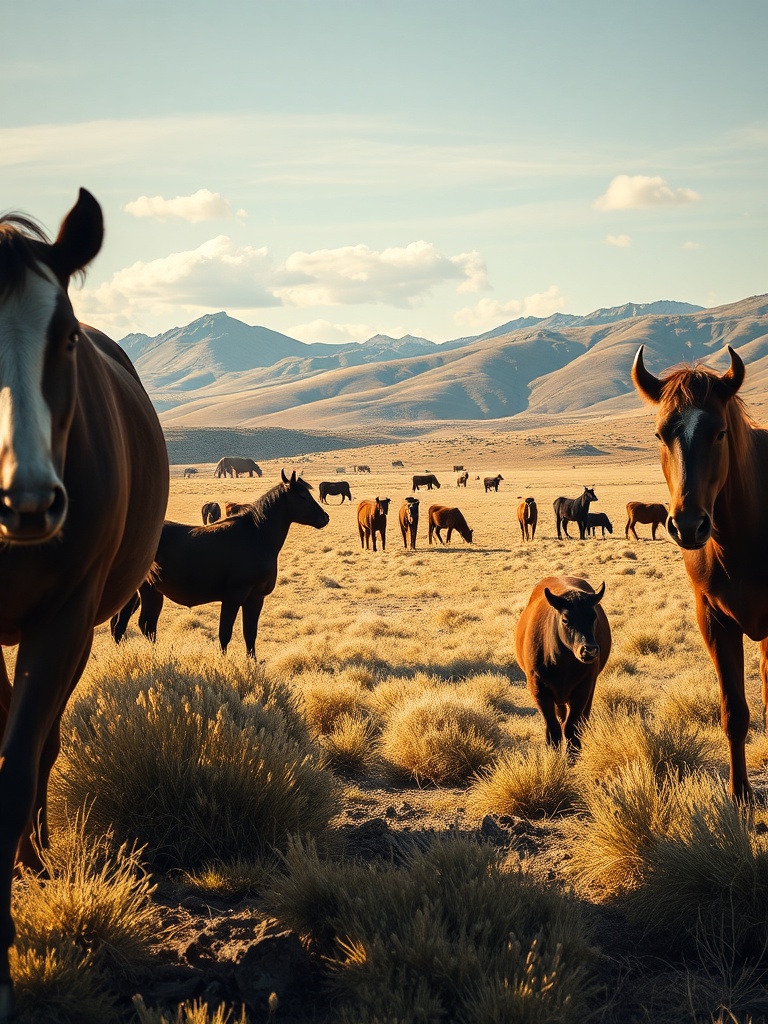
Ranches in Wyoming often combine private acreage with access to public grazing lands. Many operators rely on grazing permits to feed livestock through the changing seasons, and water rights are a central piece of property value. Large pastures, seasonal allotments, and riparian corridors shape how livestock are managed and how the landscape is cared for.
Diversification and revenue streams
Modern ranches rarely depend on a single income source. Alongside traditional cattle and sheep operations, ranch owners commonly add:
– Guest ranch and dude-ranch experiences that offer horseback riding, fly fishing, and wilderness lodging
– Hunting leases for upland game and big game species
– Agritourism events such as weddings, workshops, and farm-to-table dinners
– Renewable energy siting and carbon or conservation credits where appropriate
These complementary activities can stabilize revenue and make remote properties more financially sustainable.
Conservation and land protection
Conservation easements and partnerships with land trusts have become important tools for preserving open space and working landscapes. By placing restrictions on subdivision, easements protect wildlife habitat, migration corridors, and scenic character while often offering tax incentives to landowners. Riparian restoration, native grass reseeding, and noxious weed control are common on-ranch projects that improve long-term productivity and ecosystem health.
Regenerative grazing and best practices
Interest in regenerative grazing strategies is growing among ranchers looking to improve soil health, increase forage resilience, and sequester carbon.
Techniques include rotational grazing, planned rest periods for pastures, and maintaining healthy riparian buffers.
These practices often improve drought resilience and forage quality while supporting wildlife.
Technology and modern ranch management
Technology is increasingly integrated into ranch operations. Useful tools include:
– GPS-enabled herd collars and virtual fencing for targeted grazing
– Drones for monitoring pastures, fence lines, and water sources
– Satellite imagery and forage mapping to plan grazing rotations
– Ranch-management software to track inventory, pastures, and finances
These technologies help owners manage larger acreages more efficiently and respond quickly to animal health or infrastructure issues.
Challenges to consider
Owning and operating a ranch in this landscape requires planning for risks such as wildfire, drought, invasive species like cheatgrass, and fluctuating commodity markets.
Labor can be scarce in remote areas, making automation and seasonal help essential. Legal considerations—especially around water rights and public land grazing permits—require careful due diligence when buying property.
Why ranch life endures
Beyond the economics, many are drawn to ranching for lifestyle reasons: the rhythm of seasons, stewardship of open space, and the cultural heritage of the West. For owners focused on long-term land health, combining traditional livestock production with conservation and diversified income streams creates resilient operations that endure through change.
If you’re exploring a Wyoming ranch—whether to buy, manage, or reinvent an existing operation—start with a clear plan for water and grazing management, evaluate diversification opportunities, and connect with local extension services and land-conservation organizations to align production goals with land stewardship.