Whether pursuing a traditional cattle operation, launching a guest ranch, or protecting range habitat, success hinges on understanding land, water, infrastructure, and local regulations.
Landscape and lifestyle
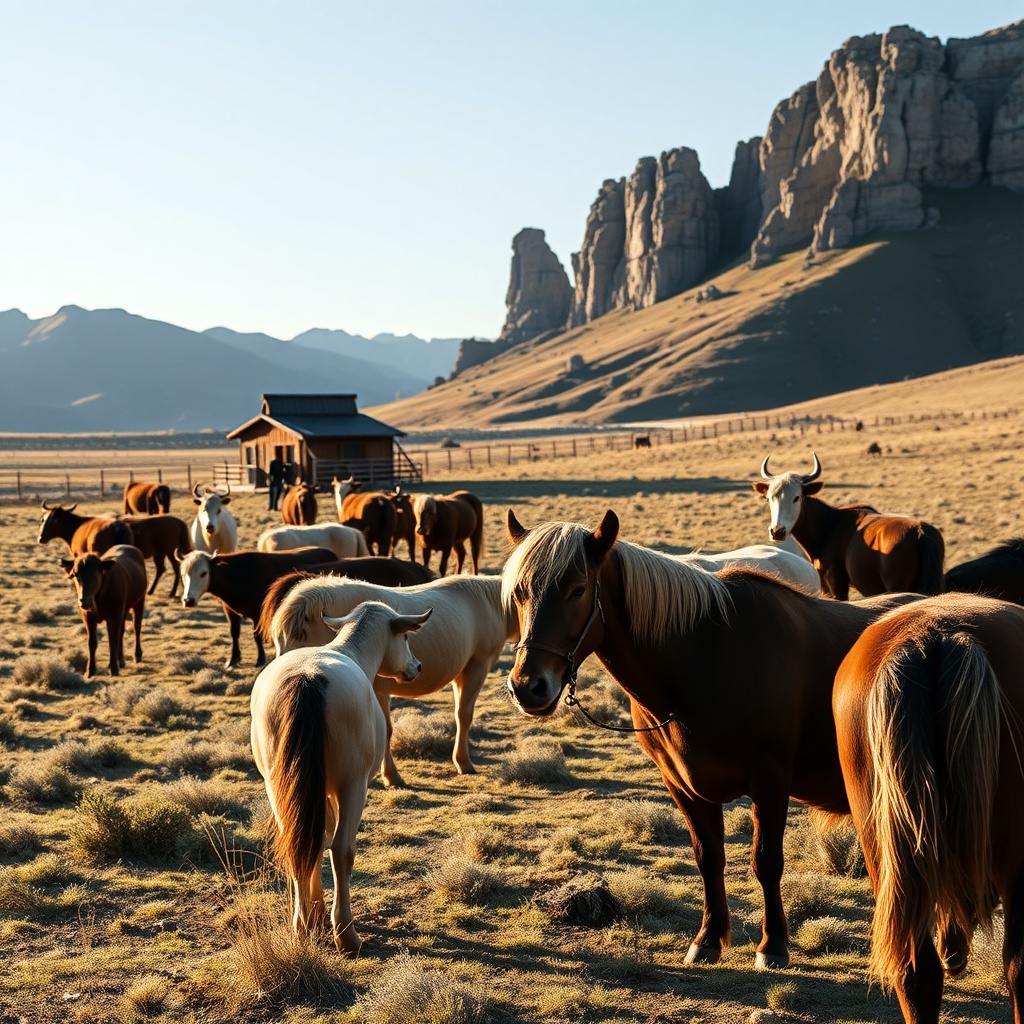
Ranches in Wyoming often sit against striking backdrops — mountain ranges, high plains, and river corridors that support wildlife and seasonal grazing. Many properties combine irrigated hay meadows in valley bottoms with upland rangeland for summer grazing. The lifestyle appeals to those who value independence, outdoor recreation, and stewardship of natural resources.
For people shifting from urban life, ranching can be physically and mentally demanding but deeply rewarding.
Key factors for buyers and operators
– Water rights and irrigation: Water is foundational. Confirm surface and groundwater rights, irrigation histories, and any shared ditch agreements.
Reliable water access affects carrying capacity, hay production, and long-term value.
– Grazing capacity and forage type: Evaluate soil, native grasses, and invasive species. Carrying capacity determines herd size and profitability. Consider seasonal use and supplemental feed needs for winter.
– Access and infrastructure: Road access, corrals, barns, wells, and fencing shape daily operations and long-term maintenance costs. Adequate hay storage and livestock handling facilities improve efficiency and animal welfare.
– Wildlife and hunting leases: Many ranches support abundant wildlife.
Hunting leases and wildlife viewing offer supplemental income but may require management strategies to balance predators, elk, deer, and livestock interactions.
Diversification and revenue streams
Ranch operators increasingly diversify to improve resilience.
Common options include:
– Guest ranching and agritourism: Offering lodging, guided hunts, or trail rides can supplement income while sharing ranch life with visitors.
– Conservation easements: Partnering with land trusts can protect habitat and provide tax benefits while retaining ownership and working use.
– Carbon and ecosystem services: Emerging markets for carbon credits, water-quality credits, and habitat conservation create new revenue possibilities for managed grasslands and restored wetlands.
– Hunting and fishing leases: Managed recreation leases can produce steady cash flow with low infrastructure needs.
Sustainable practices that boost resilience
Sustainable management also enhances long-term productivity:
– Rotational grazing conserves forage and improves pasture health by mimicking natural grazing patterns.
– Riparian restoration stabilizes banks, improves water quality, and benefits wildlife habitat.
– Drought planning and forage diversification reduce vulnerability to seasonal swings.
– Renewable energy and efficient irrigation reduce operating costs and environmental footprint.
Technology and modern management
Adoption of technology is growing: remote fencing, water sensors, livestock tracking, and precision hay baling improve labor efficiency and animal care. Solar-powered pumps and off-grid energy systems support remote pastures while lowering fuel costs.
Due diligence and local expertise
Before purchasing or changing operations, perform thorough due diligence: title searches, water right verification, environmental assessments, and conversations with county assessors and local extension agents. Local ranch brokers, NRCS offices, and wildlife agencies provide valuable, place-specific guidance.
Wyoming ranches offer a unique blend of opportunity and responsibility. With careful planning — balancing production, conservation, and diversification — a ranch can be a productive business, a conservation legacy, and a place to live close to wide-open country.