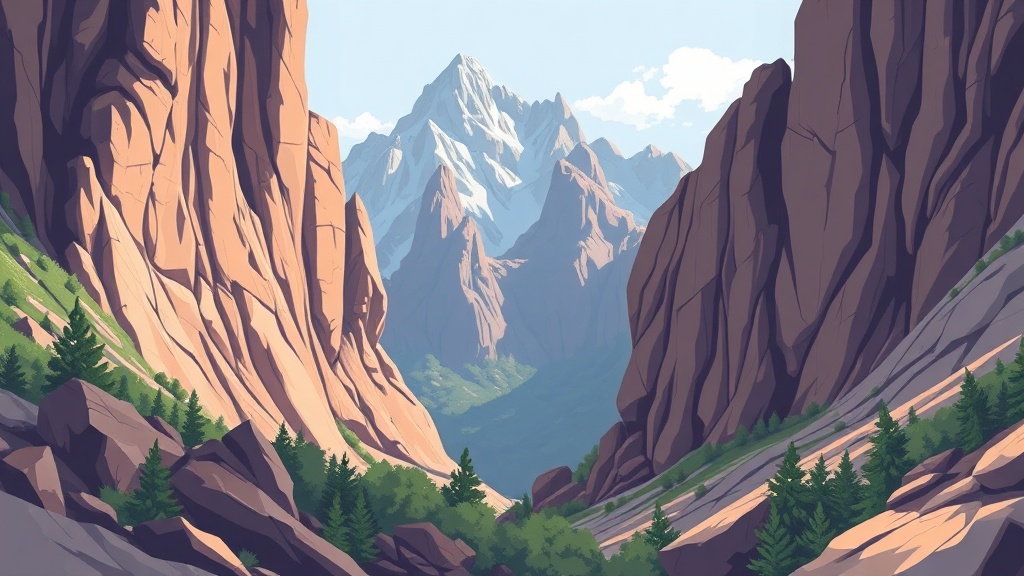
The Rocky Mountains offer a dramatic blend of jagged peaks, sweeping valleys, alpine meadows and abundant wildlife. Stretching across vast landscapes, they provide a mix of accessible day hikes, multi-day backcountry routes and scenic drives that appeal to weekend adventurers and serious mountaineers alike. The range is prized for its crisp alpine light, clear night skies and ecosystems that change rapidly with elevation — making every ridge and valley feel like a new world.
Top experiences to prioritize
– Day hikes and summit views: Popular trailheads lead to ridgelines, lakes and panoramic viewpoints.
Choose routes that match your fitness and altitude experience; even short hikes gain elevation quickly.
– Backcountry camping: High-elevation camps offer solitude and spectacular sunrise light. Plan for colder nights and strong sun exposure.
– Scenic drives and overlooks: For a low-impact way to experience the range, drive designated parkways and stops. Early mornings and late afternoons reward with wildlife activity and soft light.
– Wildlife watching: Elk, mule deer, bighorn sheep, mountain goats and bears inhabit different zones. Dawn and dusk are prime viewing times.
– Snow activities: Depending on season and elevation, opportunities range from snowshoeing and backcountry skiing to high-alpine snowfields that persist into warmer months.
Practical safety and planning tips
– Respect elevation: Altitude affects performance and breathing.
Ascend gradually when possible, hydrate, and know the signs of altitude sickness.
– Check conditions: Mountain weather changes quickly.
Always check local forecasts, trail reports and avalanche advisories before setting out.
– Pack for extremes: Layers, sun protection, a reliable map or GPS, extra food and water, and a headlamp are essentials. Nights can be significantly colder than daytime.
– Bear and wildlife safety: Carry bear spray where appropriate and know how to use it. Store food properly and keep a respectful distance from all wildlife.
– Leave No Trace: Fragile alpine plants and soils recover slowly. Stay on trails, pack out all waste, and avoid building new fire rings or campsites.
Conservation and responsible visitation
The Rocky Mountains face pressures from increasing visitation, climate shifts and habitat fragmentation. Support conservation by following park rules, using established campsites, staying informed about local restrictions and contributing to nonprofit organizations that protect mountain ecosystems. Small actions — like cleaning gear to prevent invasive seed transport or choosing sustainable gear — help preserve fragile alpine environments.
Photography and timing tips
– Golden hour pays dividends: Sunrise and sunset reveal textures and colors that midday light flattens.
– Wide-angle lenses capture scale; telephoto lenses isolate wildlife or distant peaks.
– Polarizing filters reduce glare on lakes and deepen sky contrast; neutral density filters help with long exposures for moving water or cloud motion.
– Scout compositions early and allow time for changing light and weather to create dynamic images.
Final thought
Whether seeking solitude on a high ridgeline, the thrill of technical climbs, or quiet moments beside an alpine lake, the Rocky Mountains reward thoughtful planning and respect for their natural rhythms. Prepare well, tread lightly and you’ll walk away with strong memories and a deeper appreciation for one of the continent’s most iconic landscapes.