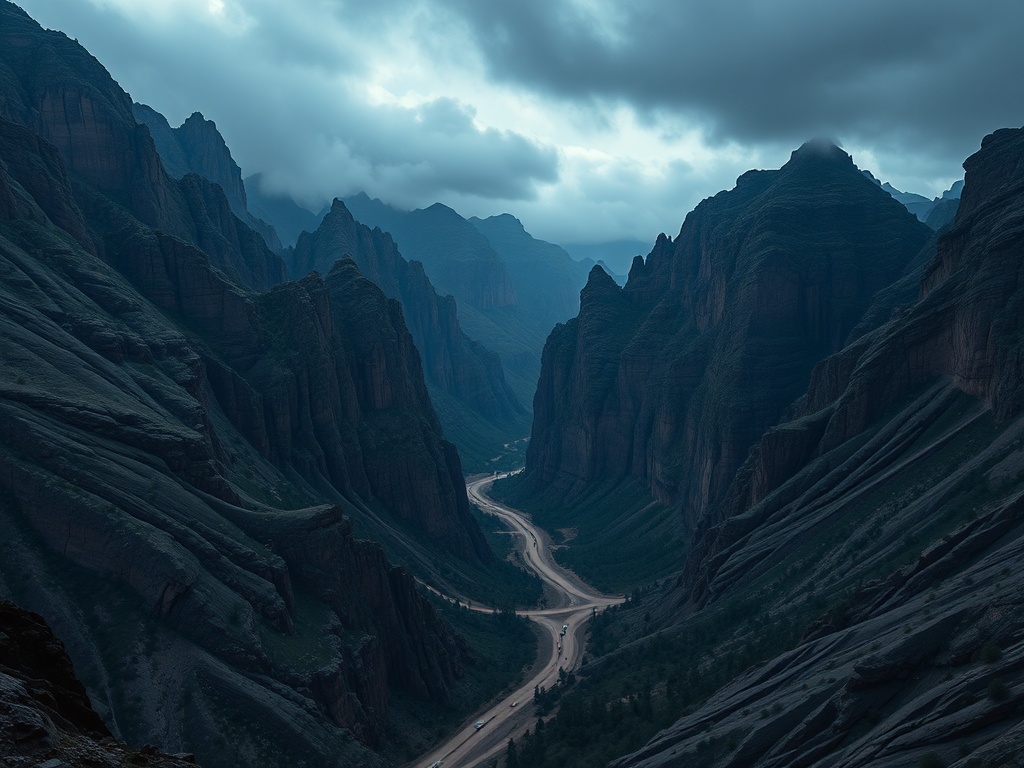
Whether you’re chasing sunrise at a canyon overlook, skiing the Wasatch Range, or exploring an increasingly vibrant urban scene, understanding how to enjoy Utah responsibly will make your trip richer and help protect these places for future visitors.
Why people come
The state’s signature draw is its diversity of outdoor experiences.
The “Mighty” national parks offer iconic vistas: soaring sandstone fins, hoodoos, and deep canyons that are ideal for hiking, photography, and backcountry exploration. Nearby national forests and state parks provide quieter options for mountain biking, fishing, and dispersed camping. Urban centers like Salt Lake City and Provo pair outdoor access with a growing food scene, craft breweries, and cultural events, making them excellent bases for multi-day trips.
Practical tips for visiting the outdoors
– Hydration and heat safety: Desert environments can be deceptively hot and dry. Carry ample water (more than you think you need), use sun protection, and avoid the hottest hours for strenuous hikes.
– Permits and planning: Some popular routes and scenic hikes require timed-entry or permits. Check official park or forest websites before you go to avoid disappointment.
– Trail etiquette: Stay on marked trails to protect fragile soils and vegetation. Yield to uphill hikers and pack out all trash.
– Leave no trace: Utah’s high-desert soils, including cryptobiotic crusts, are slow to recover from damage.
Avoid stepping off trails and camp on durable surfaces.
– Be flexible: Weather can change rapidly in mountain and canyon environments.
Carry layers, and know alternate plans if a trail is closed or conditions deteriorate.
Less-crowded alternatives
If the busiest overlooks are crowded, consider lesser-known gems: winding creekside hikes, state parks with dramatic but quieter scenery, or scenic byways that offer multiple pullouts and viewpoints. Seasonal transitions — shoulder seasons in particular — can deliver pleasant temperatures and more solitude, though conditions vary by elevation.
Protecting water and wildlife
Water scarcity is a pressing concern across the region. The Great Salt Lake and other water bodies are vital habitats for migratory birds and local biodiversity.
Travelers can help by minimizing water use at campsites, supporting local conservation initiatives, and respecting wildlife by keeping distance and not feeding animals.
Local economy and culture
Outdoor tourism supports many small towns and local guides. Booking tours, dining locally, and purchasing gear or supplies from community businesses helps keep the benefits of recreation distributed across the state.
Cultural experiences — museums, Indigenous-led tours, and community festivals — add depth to any trip and foster respectful engagement with the region’s history.
Sustainable recreation choices
Consider carpooling or using shuttle services when available to reduce parking pressure at trailheads. Choose durable gear and repair or donate equipment rather than discarding it.
When camping, use established sites and follow fire regulations; in many areas, high winds and dry conditions can make fires dangerous.
Utah rewards curious, prepared visitors. With a little planning and consideration for fragile landscapes and scarce resources, you can experience sweeping vistas, star-filled nights, and lively towns while helping ensure these places remain wild and welcoming for everyone. Plan thoughtfully, pack responsibly, and leave the places you visit better than you found them.