From red-rock canyons to alpine ski slopes and a shrinking saline lake that’s raising alarms, Utah is a place where recreation, investment, and environmental stewardship intersect.
Why Utah draws adventurers and investors
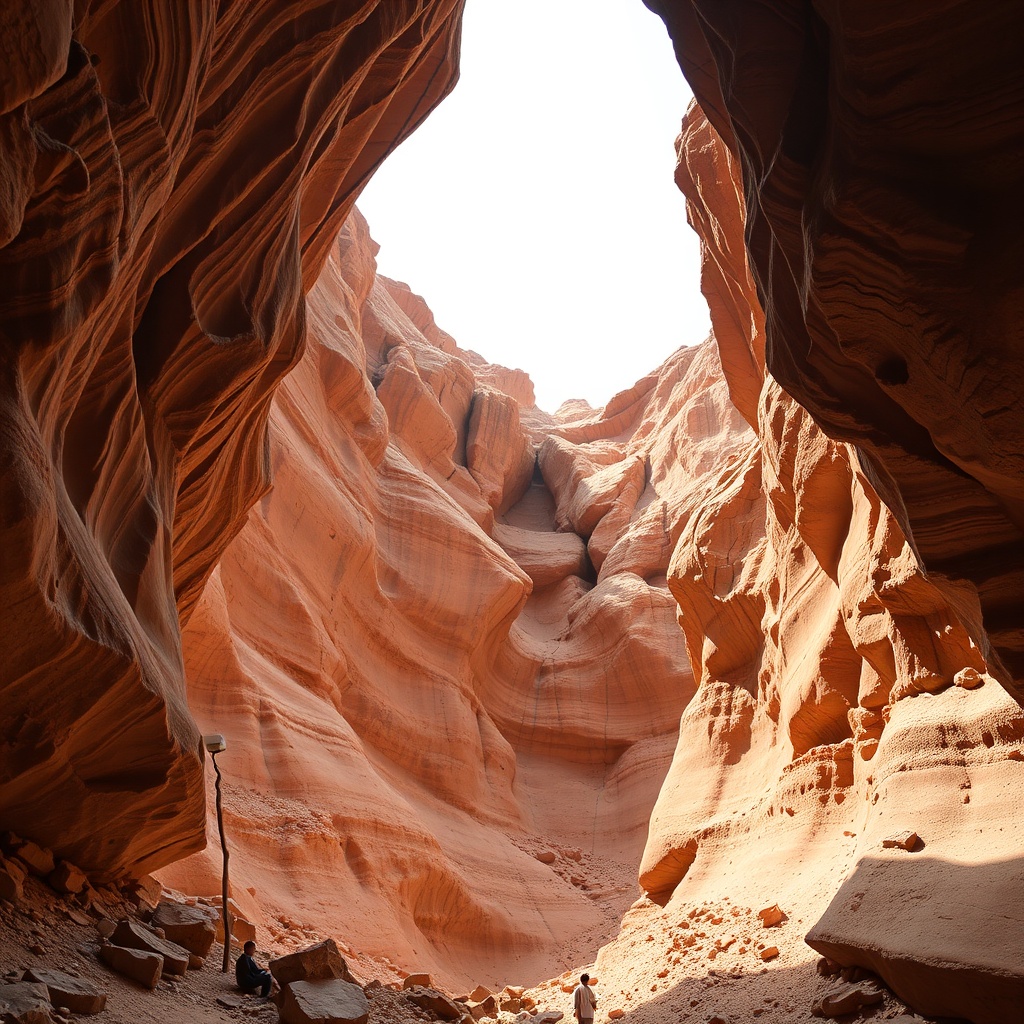
– Iconic public lands: Utah’s national and state parks offer striking geology and accessible trails that attract visitors from around the world.
Signature destinations provide everything from strenuous backcountry routes to family-friendly viewpoints, creating a steady flow of tourism and outdoor spending.
– Four-season outdoor activity: Ski resorts near urban centers, slickrock mountain biking, desert canyoneering, and water sports on reservoirs and lakes make Utah appealing year-round. This diversity supports local businesses and a robust outdoor-equipment market.
– Growing tech and business hubs: Urban centers serve as hubs for startups, digital nomads, and remote workers who value proximity to trails and quality-of-life amenities. That mix fuels demand for housing, coworking, and service industries.
Environmental concerns shaping future planning
– Water and the Great Salt Lake: Declining water levels at the large terminal lake affect migratory birds, air quality, and local economies tied to brine shrimp harvests and recreation. State and local efforts focus on improving water conservation, reallocating flows, and supporting habitat restoration.
– Wildfire risk and forest health: Warmer, drier conditions increase wildfire frequency and severity in forested watersheds. Forest management, controlled burns, and community preparedness are central to protecting recreation areas and downstream water sources.
– Visitor capacity and trail erosion: Popular trailheads and park attractions face crowding and resource degradation. Agencies are increasingly using permit systems, timed entry, and education campaigns to reduce impacts.
Smart ways to visit and support Utah’s landscapes
– Plan permits and timed entries: Popular routes often require reservations or permits to manage crowds—check park websites before arrival.
– Practice Leave No Trace: Pack out trash, stick to established trails, and avoid unauthorized camping to protect fragile soils and vegetation.
– Support local stewardship: Opt for local guides, outfitters, and lodging that give back to conservation efforts or community initiatives.
– Acclimate to altitude: Many high-elevation trailheads and ski areas require time to adjust—hydrate, take easy first days, and know the signs of altitude illness.
Travel tips for next-level enjoyment
– Mix iconic sites with lesser-known gems to avoid crowds and discover quieter ecosystems.
– Pack layers—Utah’s desert can be cold in the morning and scorching by afternoon; mountains add the possibility of sudden storms.
– Respect cultural sites and private lands; many landscapes have deep historical and indigenous significance.
Whether planning a weekend escape or exploring long-term opportunities, Utah offers a compelling blend of recreation, commerce, and conservation challenges. Thoughtful travel and strategic investments can help preserve the vistas and communities that make the state unique while supporting a sustainable outdoor economy for residents and visitors alike.