Why skiers flock to Utah
– Consistent, light powder that turns fast and stacks up in deep, skiable drifts.
– Short drives from Salt Lake City International Airport to major resorts, making long travel days unnecessary.
– A diversity of terrain: wide groomers, gladed tree runs, steep chutes, and vast backcountry options.
– A mix of resort personalities, from family-focused hills to steep, adrenaline-ready faces and luxury service.
Resort highlights (pick your vibe)
– Alta and Snowbird: Known for steep, sustained terrain and exceptional snowfall, these neighboring resorts are a magnet for advanced skiers. Alta is skier-only, while Snowbird combines steep descents with long lifts and a lively base area.
– Park City: One of the largest interconnected resort complexes, Park City blends extensive groomers, terrain parks, and lively town amenities—great for mixed-ability groups and non-ski activities.
– Deer Valley: Renowned for upscale service, perfectly groomed runs, and a skier-only policy, it’s a top choice if on-mountain dining and concierge-level comfort matter.
– Brighton and Solitude: Local favorites with flexible terrain, good value, and strong night-skiing options at Brighton.
– Powder Mountain and Snowbasin: Powder Mountain offers huge, less-crowded terrain and a relaxed feel, while Snowbasin delivers high-quality grooming and dramatic, long runs.
Practical planning tips
– Choose a resort by ability and priorities: steep and deep vs.
groomers and family amenities. Combining two resorts in one trip gives variety without long transfers.
– Lift tickets and passes: Multi-resort pass options can save significant money if you expect to ski multiple mountains. Booking lift reservations and lodging early helps secure better pricing.
– Travel logistics: Salt Lake City provides the quickest gateway—many resorts are under an hour’s drive. Shuttle services and public transit options reduce hassle, especially during busy periods.
– Rentals and lessons: On-site rental shops and professional instructors make it easy for new skiers to get comfortable fast. Demo gear lets experienced skiers test new tech without buying.
– Midweek visits and early/late day skiing often yield shorter lift lines and fresher tracked powder.
Backcountry and safety
Utah’s terrain tempts many into the backcountry.
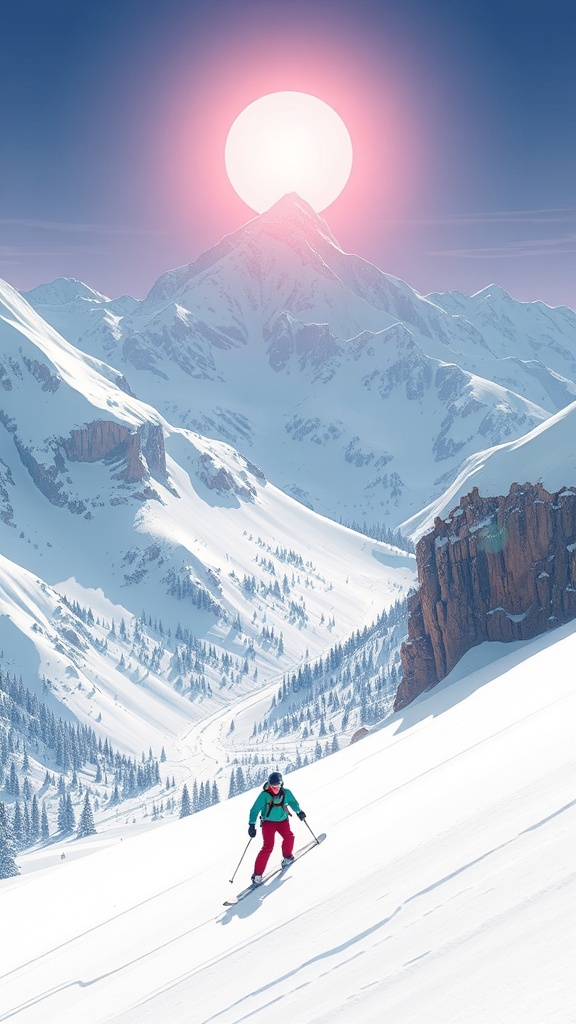
Carry essential rescue gear (beacon, shovel, probe), travel with a trained partner, and check avalanche forecasts before every outing. Hiring a certified guide is a smart move for unfamiliar routes or steep terrain. Respect closures and posted warnings—conditions can change rapidly.
Après-ski and off-mountain options
Dining ranges from casual slope-side fare to upscale restaurants and cozy cafes in nearby towns.
Non-ski activities include snowshoeing, Nordic centers, spa retreats, and cultural attractions in Salt Lake City and mountain towns—perfect for rest days or mixed-ability groups.
Final tips
Check current snow and lift conditions before traveling, plan transportation in advance, and prioritize safety when exploring beyond the groomers. Whether chasing first tracks, grooming smooth corduroy, or exploring backcountry glades, Utah skiing delivers a compelling blend of convenience, variety, and famously dry snow.