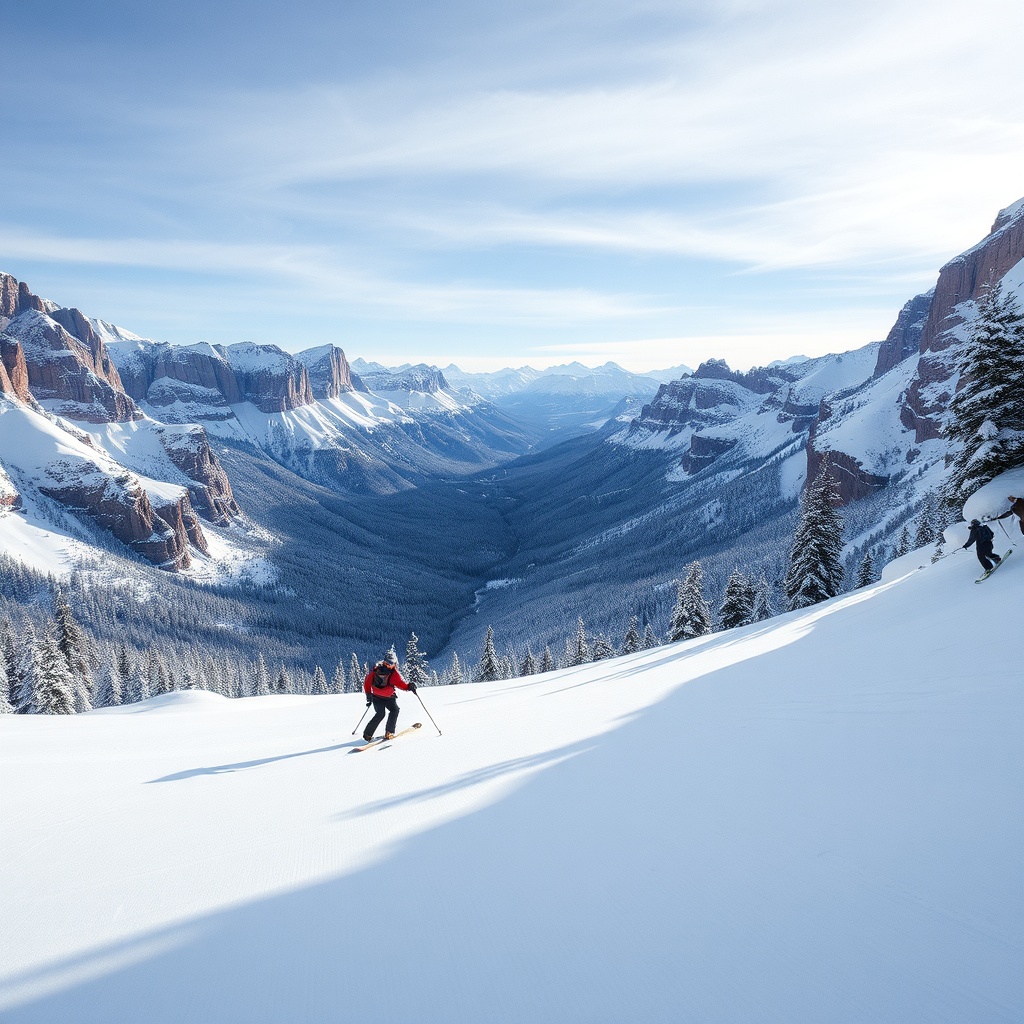
Resort highlights and variety
Utah’s resort scene covers everything from compact, skier-only hills to sprawling ski towns. Park City offers extensive lift terrain and lively après-ski, while Deer Valley and Alta are known for meticulous grooming and skier-only policies that appeal to traditionalists. Snowbird’s steep faces and long lifts are a draw for advanced skiers, and Powder Mountain is prized for massive terrain and fewer lift lines. Brighton and Solitude provide affordable, relaxed options with convenient access from the Salt Lake City airport corridor.
Why the snow feels different
The state’s “greatest snow” reputation comes from cold, dry air that produces light, low-density powder. That means easier float and more forgiving landings — especially enjoyable for those learning powder technique. The mountain elevations and frequent lake-effect and upslope storms help keep base depths substantial throughout the season, supporting both resort operations and backcountry objectives.
Practical planning tips
– Getting there: Fly into Salt Lake City for the most convenient access; resorts in the nearby Wasatch Range are a short drive from the airport. Many resorts offer shuttles and there are plenty of private transfer options.
– Lift tickets and passes: Multi-resort passes can save money and simplify planning, while single-resort tickets sometimes include early-bird discounts or bundled lesson-and-rental packages. Book ahead for peak holiday periods and consider midweek skiing for lower crowds.
– Where to stay: Choose lodging close to the lifts if want-to-ski-out convenience, or pick a town base like Park City for nightlife and dining with short shuttle options to the mountains. Smaller inns near the canyon entrances suit ski-centric travelers seeking quick access.
Safety and backcountry awareness
Utah’s terrain invites backcountry travel, but avalanche risk is real. Carry avalanche essentials (beacon, probe, shovel), travel with a partner, and take an avalanche-awareness course before heading into uncontrolled zones. Many resorts offer guided backcountry or sidecountry tours that provide safer access to untouched snow with local guides.
Gear and technique
For powder days, slightly wider skis with rocker profiles help float and make turns smoother.
Layering is key: moisture-wicking base layers, an insulating midlayer, and a waterproof shell handle shifting mountain conditions. Goggles with interchangeable lenses prepare you for low-light or bright, bluebird days. Helmets are standard and recommended for all ages.
Après-ski and off-slope activities
After the last chair, options range from cozy lodge fires and craft cocktails to world-class restaurants in nearby towns.
Non-ski activities include snowshoeing, snowmobiling, spa treatments, and cultural events in town centers, offering rest days without sacrificing adventure.
Final thoughts
Utah skiing blends reliable snow quality, a wide range of terrain, and easy accessibility—perfect for families, powder chasers, and anyone seeking a mountain escape. Prioritize safety, book smart, and plan a mix of groomer time and off-piste exploration to make the most of what the Wasatch has to offer.