Why Utah draws so many visitors
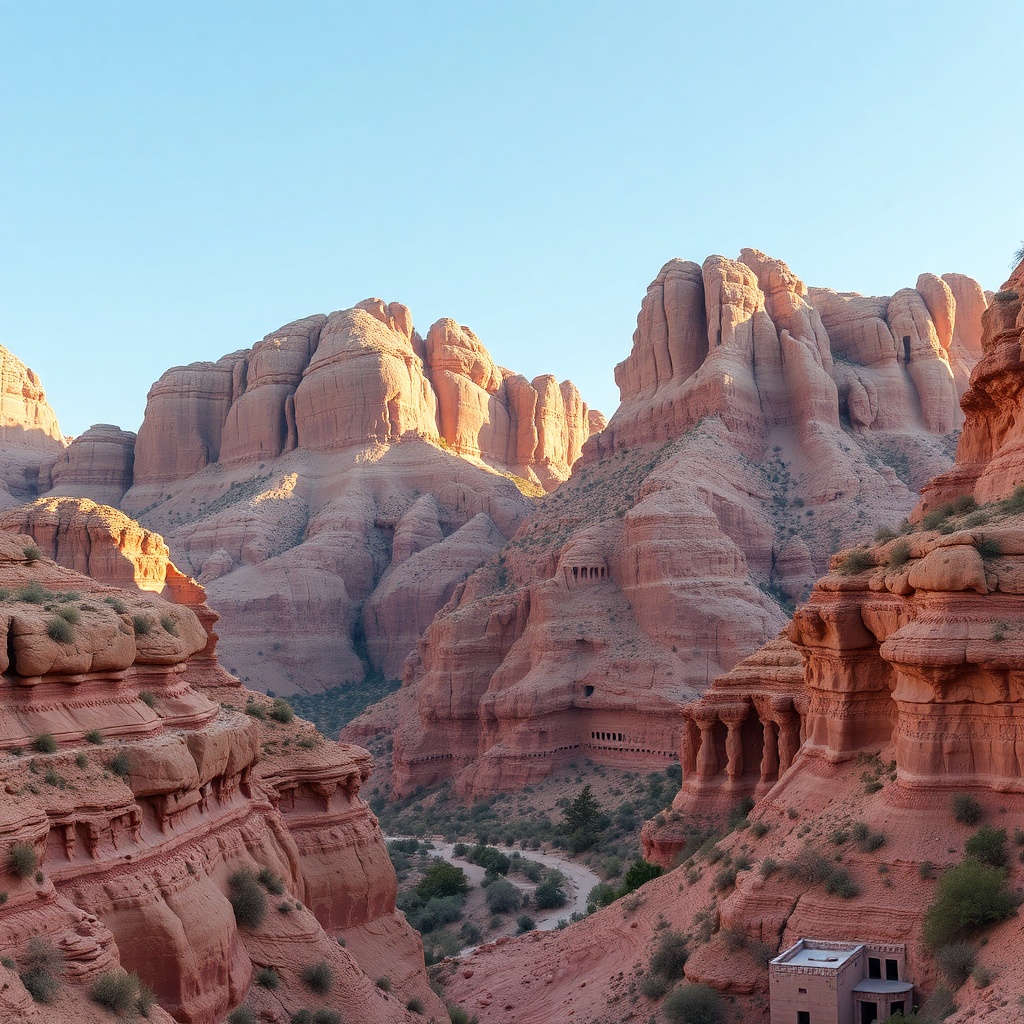
Utah’s five national parks—Arches, Bryce Canyon, Canyonlands, Capitol Reef, and Zion—deliver postcard-worthy views and world-class hiking.
Beyond the “big five,” there are state parks, wilderness areas, slickrock trails, and alpine forests that reward exploration with quieter solitude. That variety makes Utah a go-to destination for photographers, trail runners, climbers, mountain bikers, and anyone seeking wide-open skies.
Smart planning to avoid crowds
– Check park websites before you go: Many popular trails and roadways have permit systems, timed-entry reservations, or shuttle requirements that change with demand. Confirm rules for your destination the day before departure.
– Visit at off-peak times of day: Early morning and late afternoon offer softer light, cooler temperatures, and fewer people. Sunset often draws crowds at viewpoints, so plan accordingly.
– Explore beyond the headlines: Lesser-known trails, state parks, and backcountry routes offer solitude and are often just as stunning as the busiest overlooks.
– Be flexible: Weather, trail closures, and wildfire activity can alter plans quickly.
Have a backup route or destination.
Safety and comfort on the trail
– Water and sun protection are non-negotiable: High desert landscapes can dehydrate hikers fast. Carry more water than you think you’ll need, and bring sun protection including a wide-brim hat and sunscreen.
– Watch the weather: Flash floods are a real hazard in slot canyons and narrow washes.
If storms are forecast, reconsider those routes.
– Know your limits: Some popular hikes include steep drop-offs and exposed sections. Use caution and avoid risky detours.
– Cell service is limited: Download maps and route descriptions, and let someone know your plans when heading into remote areas.
Protect the landscape
Utah’s fragile desert soils and cryptobiotic crust take decades to recover from damage. Follow Leave No Trace practices:
– Stay on established trails and avoid trampling vegetation.
– Pack out all trash and avoid disturbing historic or cultural sites.
– Keep group sizes reasonable and minimize noise to preserve wildlife habitat.
Other experiences to consider
– Scenic drives and overlooks provide spectacular views with minimal effort—perfect for mixed-ability groups.
– Winter recreation is abundant at higher elevations and ski resorts, where snow transforms the landscape.
– Urban hubs like Salt Lake City and Park City offer dining, galleries, and museums that pair nicely with outdoor adventures.
A final thought
With thoughtful planning, respect for regulations, and a commitment to Leave No Trace, visitors can enjoy Utah’s dramatic scenery while helping preserve it for others. Whether you’re aiming for a sunrise over a sandstone fin or a quiet backcountry loop, preparation makes the trip safer and more rewarding.