Utah delivers a striking mix of dramatic landscapes, thriving urban centers, and an outdoors economy that attracts visitors and new residents alike. From towering sandstone formations and alpine forests to a growing tech and clean-energy scene, the state balances high-demand recreation with mounting responsibility for water and land stewardship.
Why Utah draws so many people
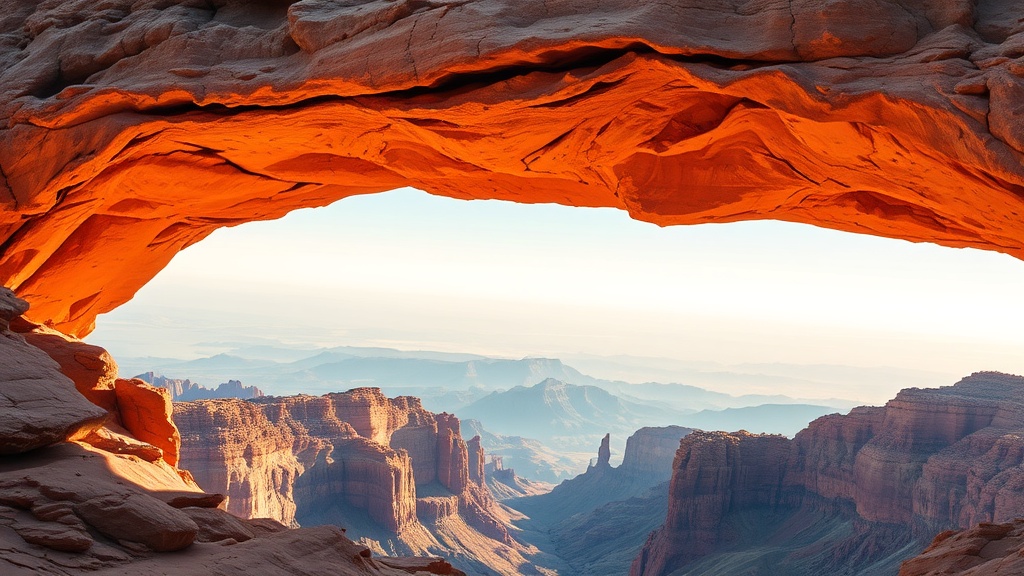
The combination of world-class ski resorts, five national parks, and an ever-expanding network of trails makes Utah a top destination for year‑round outdoor activity.
Salt Lake City serves as a convenient gateway: an international airport, a cultural scene, and proximity to mountains and desert terrain mean it’s easy to move from a museum or restaurant to a backcountry trail in a few hours.
Meanwhile, growing clusters of tech and aerospace firms have earned the region recognition as a major innovation hub, bringing diverse job opportunities and amenities that complement the outdoor lifestyle.
The Great Salt Lake and water stewardship
One of the state’s most important environmental stories centers on the Great Salt Lake. Lower lake levels and ecological shifts have raised awareness about water management across the state. Local governments, tribal leaders, conservation groups, and agricultural water users are exploring collaborative strategies to protect habitat, maintain lake-dependent industries, and secure water for communities. Visitors and residents can help by practicing efficient water use, supporting habitat restoration projects, and staying informed about regional initiatives.
How to enjoy Utah responsibly
– Plan for the season: Weather can change rapidly between desert and mountain environments. Check trail conditions and carry layered clothing, sun protection, and plenty of water.
– Respect fragile landscapes: Stay on designated trails, avoid monument and archeological sites that are closed or marked, and pack out all trash.
– Practice water-wise habits: Shorter showers, efficient irrigation at vacation rentals, and choosing reusable water bottles all reduce personal water footprint.
– Support local economies: Choose locally owned lodging and dining, hire certified guides for specialized activities, and look for businesses that demonstrate sustainable practices.
Top outdoor experiences that don’t require intense planning
– Scenic drives and overlooks deliver big views with minimal exertion; many provide interpretive signs that explain geology and cultural history.
– Beginner-friendly trails near cities offer easy access to mountain biking and hiking, perfect for families or visitors with limited time.
– Guided canyoneering, rock-climbing lessons, and backcountry skiing trips provide safe introductions for newcomers while supporting local outfitters.
Balancing growth and conservation
Rapid interest in Utah’s outdoor attractions presents both opportunity and pressure. Trail maintenance, parking management, and habitat protection require ongoing investment.
Community-driven solutions—like timed parking, permit systems for high-use trails, and volunteer stewardship programs—help distribute visitation and fund conservation work.
Engaging in respectful recreation keeps trails open for everyone and preserves landscapes for future visitors.
A lasting draw
Utah’s appeal rests on its contrasts: alpine snowfields and desert slickrock, vibrant cities and quiet wilderness, booming industries and protected lands. Those who value outdoor access alongside conservation can contribute to a sustainable balance—by traveling thoughtfully, supporting local stewardship, and making simple choices that conserve water and protect fragile ecosystems. The result is a richer experience for residents and visitors who want to enjoy these remarkable places now and for the long term.