What makes Utah special
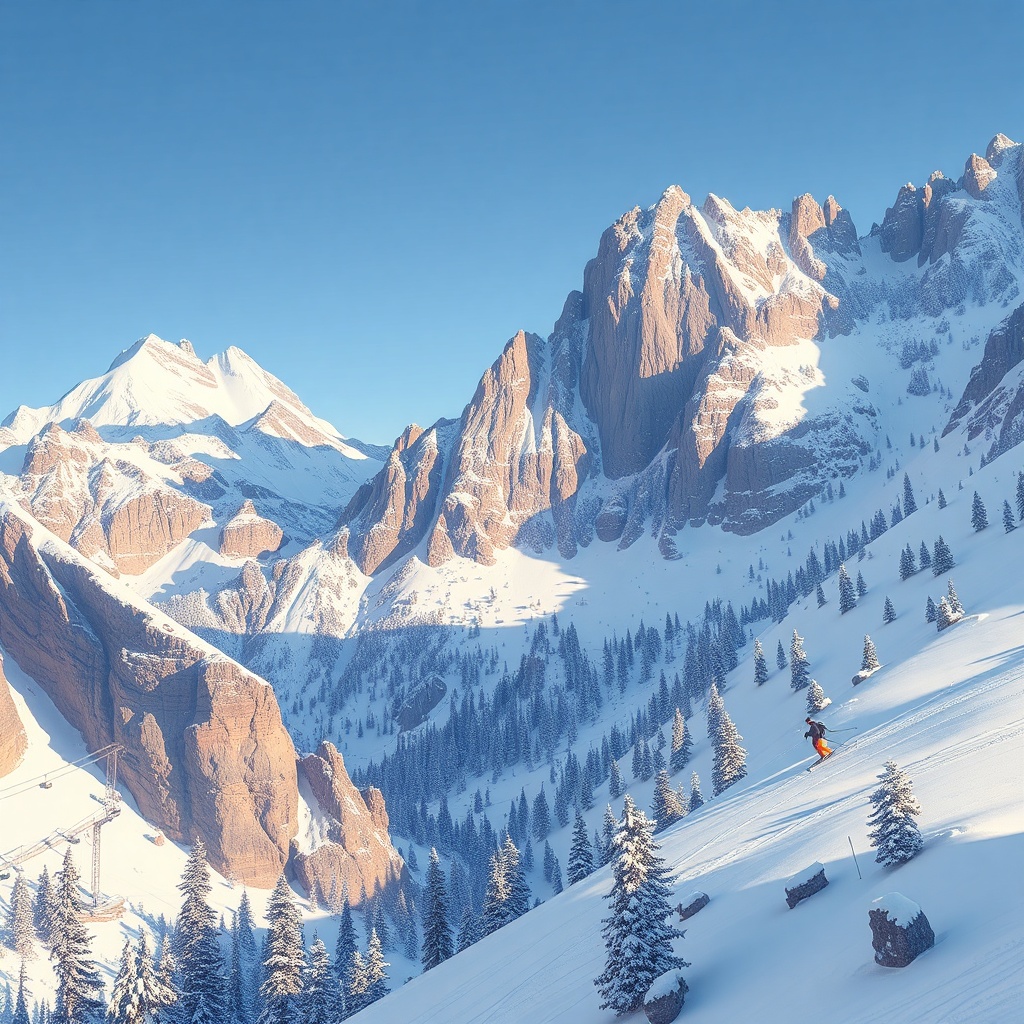
Utah is famous for light, dry snow that clings to powder turns and holds a lot of air.
Combined with a compact resort footprint close to the Salt Lake City corridor, that snow quality means more laps per day and easier access to fresh tracks.
Resorts range from boutique, skier-only hills to large, multi-mountain complexes with extensive groomers and terrain parks.
Resort highlights
– Alta and Deer Valley: Two different takes on premium skiing. Alta is revered for its deep powder and old-school vibe; note that Alta and Deer Valley maintain skier-only policies. Deer Valley is known for groomed runs, service-forward operations and upscale on-mountain dining.
– Snowbird and Little Cottonwood: Snowbird sits at the top of the steep-and-deep list with long vertical runs and reliable snow retention; it’s a favorite for advanced skiers and those seeking big-mountain terrain.
– Park City: One of the most versatile destinations, offering extensive lift-served acreage, lively Main Street nightlife and a broad range of lodging and dining options.
– Powder Mountain and Snowbasin: Powder Mountain boasts huge skiable acreage and deep tree runs, while Snowbasin is famous for long, fall-line groomers and a polished experience.
– Brighton and Solitude: Often favored by locals, these resorts provide excellent family-friendly terrain, terrain parks and quieter lift lines.
Planning your trip
– Access: Salt Lake City is the primary gateway; many resorts are a straightforward drive from the airport, making overnight or short-trip itineraries practical.
– Passes and lift tickets: Multi-resort passes are common and can be cost-effective for repeat or multi-day skiers.
Buying tickets in advance and monitoring resort apps can reduce lift-line time.
– Lessons and rentals: If you’re new to the sport or renting gear, book lessons and rental equipment ahead of busy periods.
Many shops include demo skis and upgrade options.
Safety and off-piste considerations
Backcountry access around the Wasatch is spectacular but demands respect. Always carry avalanche gear (transceiver, probe, shovel) and take an avalanche-awareness course before venturing off-piste. For guided experiences, book with a trusted outfitter or resort-sanctioned guide service. Snowcat and heli-assisted options are available for those seeking remote powder without solo risk.
Practical tips for better days on snow
– Acclimate: The elevation can affect sleep and performance. Hydrate, eat well and take it easy on your first day.
– Layering: High-output skiing and variable mountain microclimates make a breathable, modular layering system invaluable.
– Early starts: First chair often brings the best corduroy or untouched powder; plan lift times and on-mountain meals accordingly.
– Local etiquette: Yield to downhill skiers, respect posted closures and know that etiquette in deep powder differs from groomed runs—give each other room.
Beyond the slopes
Non-skiers find plenty to enjoy: snowshoeing, tubing hills, cozy spas, art galleries and historic Main Streets. Mountain towns host lively dining scenes and events that pair well with a day on the hill.
For a fulfilling Utah ski experience, balance adventurous terrain with smart planning: choose the resort that matches your ability and vibe, prioritize safety for off-piste outings, and take advantage of the region’s easy access to maximize time on the snow.