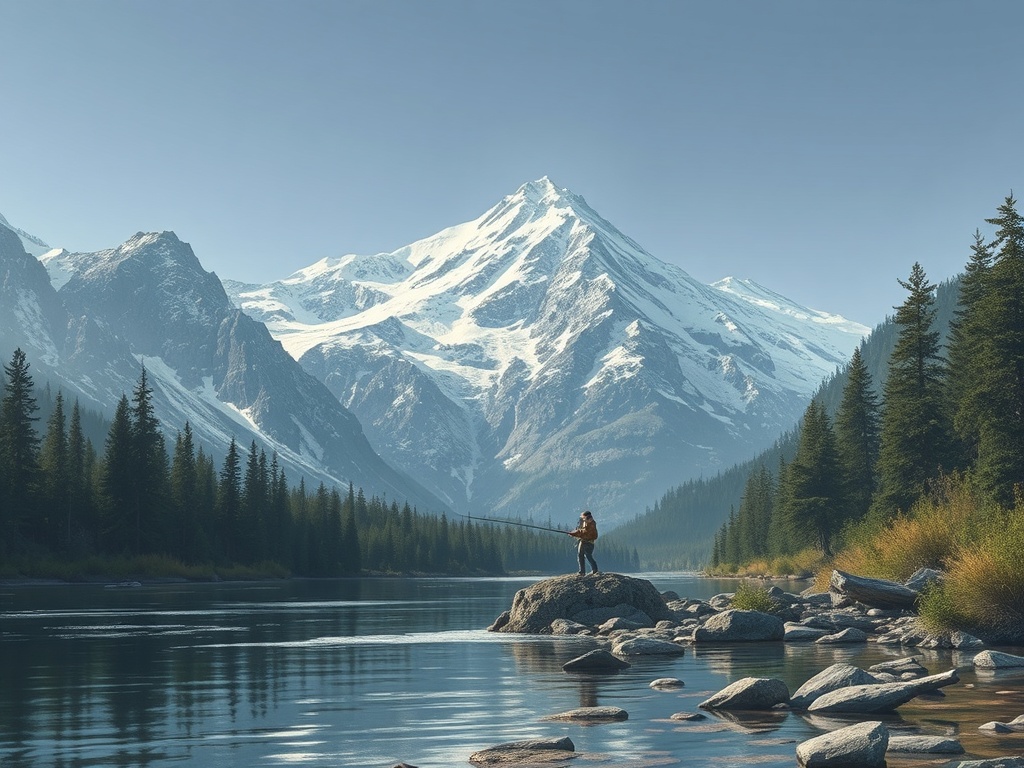
Where to go
Classic rivers like the Madison, Gallatin, Yellowstone, and Bitterroot remain top draws because of consistent hatches and accessible water for wading and drift-boat trips. Smaller freestone creeks and spring creeks produce technical dry-fly opportunities and picturesque solitude. Reservoirs and tailwaters offer different dynamics—cold tailwaters can fish well through late seasons, while high-elevation lakes are excellent for stillwater fly techniques.
Target species and tactics
– Rainbow trout: Versatile fighters found in most waters. Nymphing with bead-head patterns, euro-nymph rigs, and dry-dropper setups are highly effective. During prolific hatches, dry-fly presentations for rising rainbows are unforgettable.
– Brown trout: Often larger and more aggressive. Streamer fishing and dead-drifted nymphs near structure are productive. Browns respond to long leaders and subtle presentations.
– Cutthroat and native trout: Sight-fishing in clear water can be thrilling. Use long, light leaders and small dry flies or soft nymphs to avoid spooking fish.
Seasonal approach
– Spring: Snowmelt can elevate flows; focus on tailwaters and sheltered runs.
Be prepared for changing conditions.
– Summer: Hatches intensify; early mornings and evenings are prime. Look for rising fish in riffles and slicks.
– Fall: Cooler water brings renewed feeding; streamer fishing and larger nymphs work well.
– Winter: Accessible tailwaters and warm springs provide opportunities; winter wading requires extra caution and warm layers.
Essential gear checklist
– Proper license and a printed or digital copy of current regulations for the water you’ll fish.
– Rod and reel suited to target species (a 4–6 weight for general trout work, heavier for big rivers or streamer tactics).
– Variety of flies: dry flies, nymphs, streamers, and emergers. Include local patterns and sizes that match prevailing hatches.
– Waders, wading boots with felt or rubber soles as allowed, and a wading staff for stability.
– Polarized sunglasses, hat, sunscreen, and rain layers.
– Net, forceps, and landing tool to reduce fish handling stress.
Ethics and conservation
Catch-and-release practices, barbless hooks, quick photography, and minimizing handling time help protect native and wild trout.
Decontaminate gear between waters to prevent spread of invasive species such as aquatic hitchhikers and pathogens; clean, drain, and dry boats, waders, and boots. Always check specific area closures, special regulations, and spawning protections before fishing.
Safety and local knowledge
Montana rivers can change quickly; watch for rising flows after storms and avoid wading alone in fast, cold water. Hiring a local guide can accelerate learning about water-specific hatches, access, and etiquette while supporting local businesses. Outfitters and fly shops are excellent resources for current conditions and fly suggestions.
Planning a trip around these principles—matching technique to water, prioritizing conservation, and preparing for variable conditions—will improve success and make your Montana fishing experience memorable while helping protect these iconic fisheries for anglers who follow.