Where to fish
– Rivers: Classic tailwaters and freestone rivers like the Madison, Missouri, Yellowstone, Bitterroot, and Clark Fork offer year-round opportunity. These waters are renowned for rainbow, brown, and native cutthroat trout. Spring runoff shapes access and flows, while summer low water rewards early-morning and evening sessions.
– Lakes and reservoirs: Flathead Lake, Fort Peck, Koocanusa, and Hungry Horse produce a mix of trout, kokanee, northern pike, and smallmouth bass.
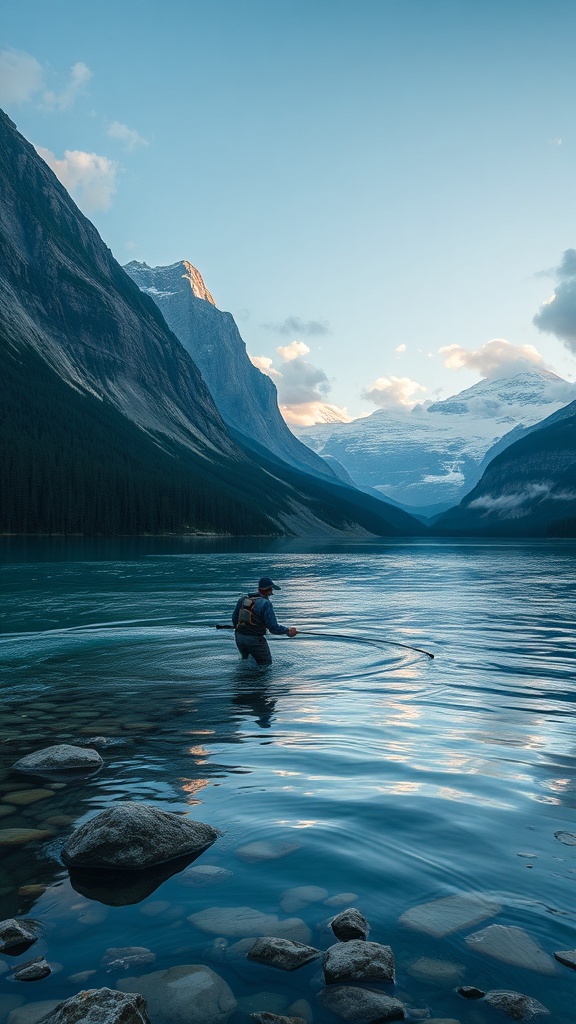
Deeper reservoirs often require trolling or vertical jigging for productive bites.
– Backcountry streams: High-country lakes and alpine creeks are ideal for wild trout and solitude. Access may require a hike, but the payoff is often fewer anglers and healthy native fish.
Techniques that work
– Dry-fly fishing: Classic and exciting on freestone rivers—match local hatches with Adams, Elk Hair Caddis, parachute patterns, and small terrestrials during summer. A 9-foot 4-6 weight rod is versatile for most trout scenarios.
– Nymphing: Most trout are feeding subsurface. Hare’s Ear, Pheasant Tail, and Pheasant Tail variants paired with strike indicators or Euro-style tight-line nymphing setups are highly effective. Use tippets sized for the water clarity—lighter for spooky fish.
– Streamers: For big browns and aggressive rainbows, streamer fishing with Woolly Buggers, zonkers, or baitfish patterns can trigger decisive strikes, especially in low-light periods or deeper runs.
– Boat techniques: Trolling spoons and plugs or vertical jigging with hootchies and small spoons works on lakes for kokanee and lake trout. For reservoirs with pike and bass, casting large swimbaits and topwater lures into structure pays off.
Hatch and seasonal cues
Watch aquatic insects—mayflies, caddisflies, and stoneflies—drive much of the action. Salmonfly and skwala hatches are regionally important for big-game trout takes. Terrestrial patterns like hoppers and beetles become essential later in the season. Time your fishing around cooler mornings and evenings in summer; mid-winter can offer clear, calm days with focused feeding.
Conservation and etiquette
Montana’s fisheries are a resource to protect.
Purchase and carry the required fishing license and be aware that regulations vary by water—bag limits, seasonal closures, and special rules apply. Practice proper fish handling: use wet hands, quick photography, barbless hooks or pin the barb, and minimize air exposure.
Respect private property, pack out trash, and follow streamside access rules.
Practical tips
– Check recent flow and hatch reports before heading out—local fly shops and online reports provide timely intel.
– Match leader and tippet strength to the fish and water clarity: finer tippets for pressured trout, heavier for bigger fish or snag-prone waters.
– Carry a simple first-aid kit, waders with good traction, and sun/weather protection—conditions change fast.
– Consider hiring a licensed guide for complex rivers or to learn specific nymphing and streamer tactics quickly.
Montana fishing rewards preparation, patience, and respect for the resource. With the right gear, local knowledge, and conservation-minded approach, anglers find memorable days on some of the most iconic waters in the West.