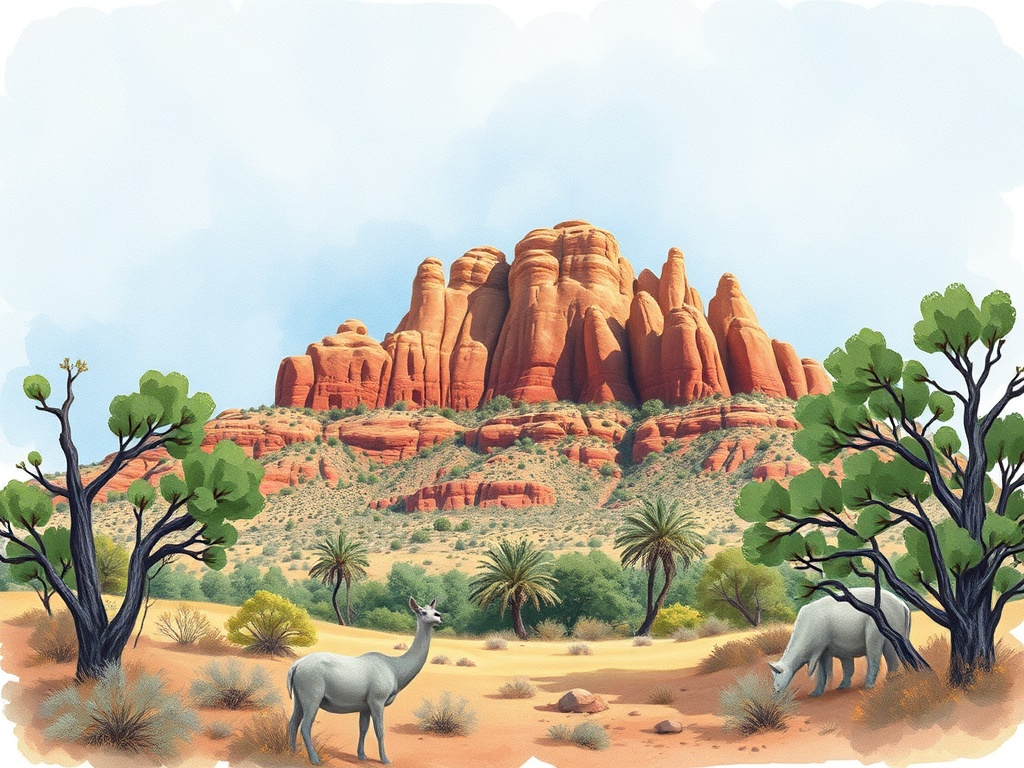
Whether you’re drawn to the iconic Delicate Arch, the remote White Rim, or the adrenaline of Slickrock mountain biking, a little planning transforms a busy visit into a memorable one.
What to see and do
– Arches National Park: Home to thousands of natural stone arches and dramatic viewpoints. Must-do hikes include the Delicate Arch trail (moderate, roughly three miles round-trip) and the Devil’s Garden loop for longer adventurous outings.
Scenic drives offer plenty of short overlooks if time or mobility are limited.
– Canyonlands National Park: Split into districts with very different feels — Island in the Sky for high mesas and easy overlooks, and the Needles for sculpted sandstone spires and more remote hiking. The White Rim Road offers backcountry driving and cycling with permits for overnight trips.
– Nearby BLM lands and trails: Moab’s surroundings provide extensive options for mountain biking (Slickrock Trail remains a classic), off-road vehicle routes, and dispersed camping. Many trails are managed by the Bureau of Land Management and local land managers — check conditions before you go.
Practical planning tips
– Reservations and permits: Timed-entry reservations are in place seasonally for some popular areas to manage crowds. Permits are required for certain backcountry trips, river runs, and overnight vehicle routes like the White Rim.
Confirm requirements before departing.
– Timing: Early mornings and late afternoons generally offer cooler temperatures, softer light for photography, and far fewer people at the major viewpoints. Midday can be crowded and intense in sun exposure.
– Safety and weather: Desert environments can change quickly — expect hot daytime temperatures, chilly nights, and sudden storms.
Bring plenty of water, sun protection, sturdy footwear, and a basic first-aid kit. Cell coverage is spotty inside park boundaries; download maps and tell someone your plans.
Respect and conservation
– Leave No Trace practices matter here. Stay on established trails and slickrock routes, pack out all trash, and avoid touching or sitting on fragile rock formations. Petroglyphs and archaeological sites are fragile and protected — view from a distance.
– Dune and cryptobiotic soils are easily damaged by off-trail travel; even small disturbances can take decades to recover. Use designated roads and established camping areas, and consult visitor centers for the most up-to-date trail conditions.
Best experiences beyond hiking
– Mountain biking: Trails around Moab cater to a range of skills. Slickrock is famous for its technical sandstone riding; other singletrack options vary from flowy to expert lines.
– Scenic drives and 4×4 runs: Routes like Potash, Hell’s Revenge, and Shafer Trail offer striking views and require different vehicle capabilities—some routes need high clearance or four-wheel drive.
– Stargazing: The area’s low light pollution makes for exceptional night skies. Bring a headlamp with a red-light mode, and enjoy the Milky Way from many overlooks and campgrounds.
Final reminders
Check current trail conditions, reservation and permit status, and any seasonal advisories at visitor centers or official park websites before you go. With respect for the landscape and sensible preparation, a visit to Moab’s parks becomes an unforgettable blend of scenic wonder and outdoor adventure.