What makes Utah special
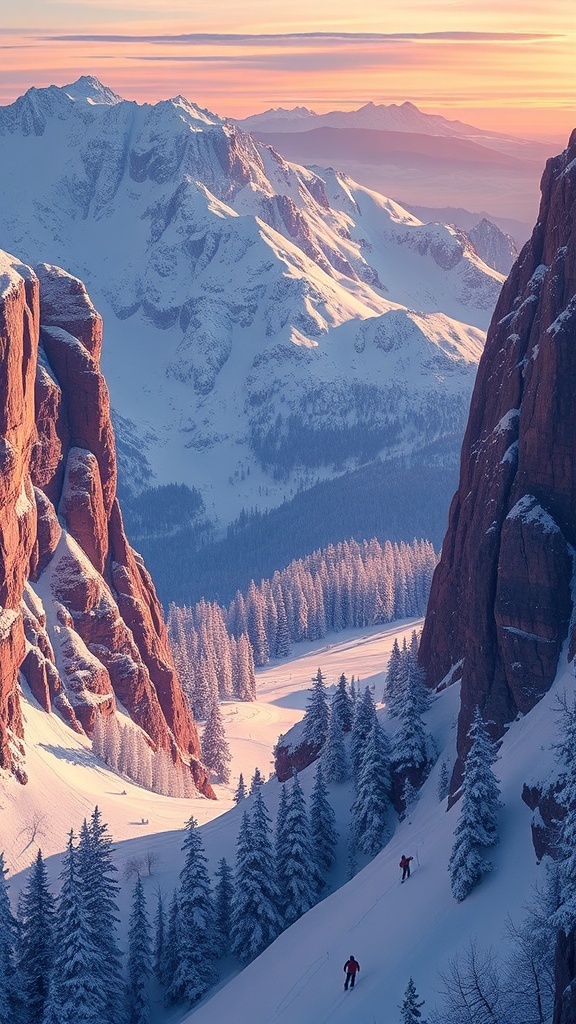
Utah’s mountains are known for light, dry powder that creates effortless float and exceptional visibility on bluebird days. The state’s resort density means it’s possible to experience vastly different terrain types—legendary steep lines, extensive beginner zones, and tree skiing—within a short drive. Lift-accessed backcountry is available at several areas for those prepared to travel beyond the ropes.
Top resort choices by style
– Big-mountain and expert terrain: Look for resorts with steep, technical chutes and long vertical runs if advanced terrain is the goal. These areas also typically host extensive off-piste lines and cliffs.
– Family-friendly and beginner terrain: Resorts with wide, gentle groomers, strong ski-school programs, and kid-focused amenities make learning comfortable and fun.
– Luxury and service: Some resorts emphasize top-tier guest services, on-mountain dining, and curated experiences, appealing to visitors who want convenience and comfort.
– Value and local vibe: Smaller resorts and community hills often deliver a casual atmosphere with lower ticket prices and easy access for day-trippers.
Planning tips that save time and money
– Book lift tickets and rentals online in advance to avoid window lines and take advantage of discounted pricing. Many resorts offer dynamic pricing that rewards early purchase.
– Consider midweek visits or first lifts to escape peak crowds. Afternoons tend to be busiest, especially near base areas and main lifts.
– Use public transit and resort shuttles where available; Park City and several mountain towns offer free transit linking hotels and lifts, reducing parking hassles.
– Reserve lessons early, especially for children and beginners. Private lessons fill quickly during peak periods.
Gear and logistics
Renting equipment on-site reduces travel hassle and lets skiers try current models. For frequent visitors, storing tuned equipment in mountain-side storage can be a worthwhile convenience. Layering is essential: breathable base layers, insulating mid-layers, and a waterproof shell will handle shifting mountain conditions. Helmets are highly recommended for all ages.
Backcountry and safety
For those venturing beyond resort boundaries, avalanche education and proper gear (beacon, probe, shovel) are non-negotiable. Hiring a certified local guide is the safest way to access complex terrain. Always check avalanche forecasts and resort avalanche bulletins before heading out, and respect closures and patrol advisories.
Après-ski and local culture
Après options range from lively bars with local brews to cozy lodges with comfort food. Mountain towns host a seasonal calendar of events, from film tours to community festivals, offering a chance to experience local culture between runs.
Whether chasing untouched powder, introducing a child to skiing, or seeking steep technical lines, Utah’s ski offerings cover the full spectrum. With thoughtful planning—advance tickets, the right gear, and attention to safety—ski trips here can be both thrilling and smooth. Pack layers, check conditions, and be ready for some of the most memorable turns in western mountain terrain.