Whether you’re drawn to the thunder of a bison herd, the eerie colors of a thermal pool, or the quiet of an alpine morning, Yellowstone delivers rare experiences—and requires thoughtful planning to enjoy them responsibly.
What makes Yellowstone unique
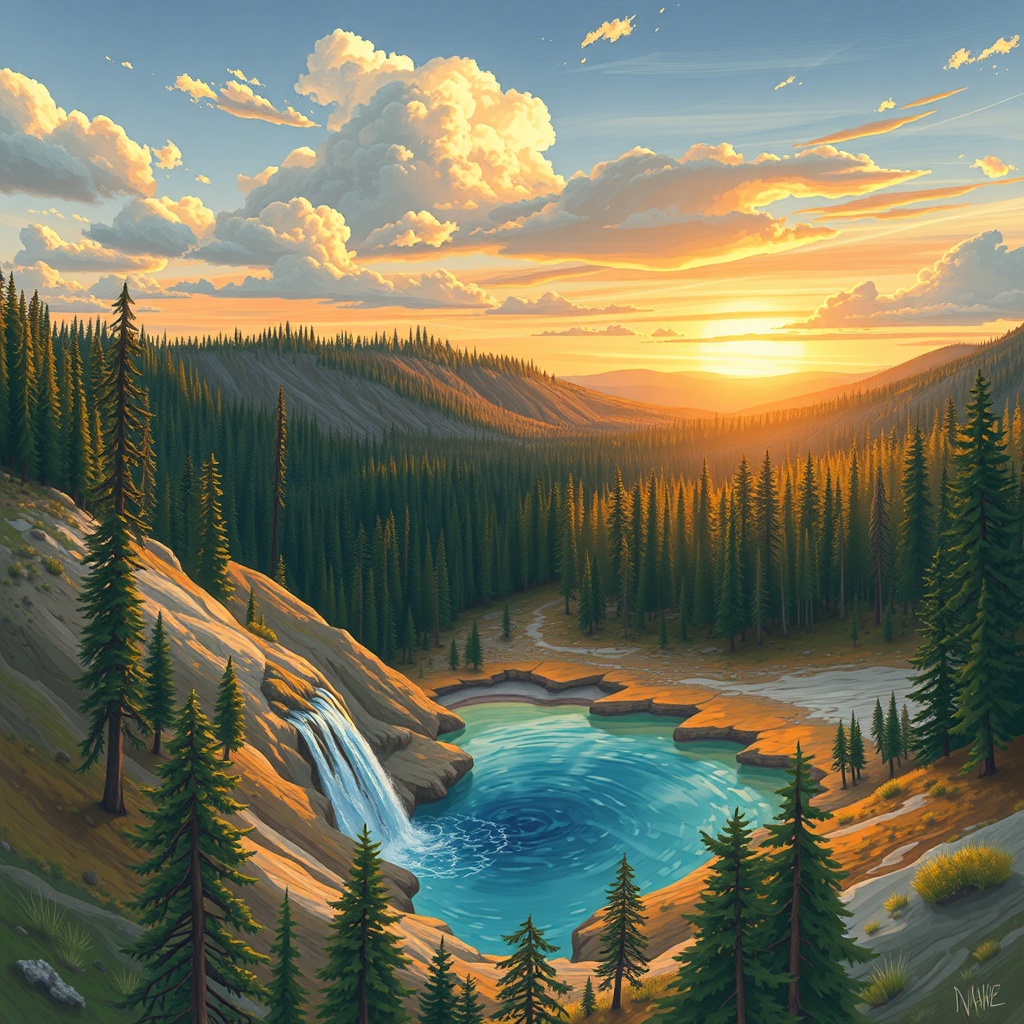
Yellowstone sits atop a massive volcanic system that fuels thousands of hydrothermal features: geysers that erupt on schedules, expansive hot springs painted by heat-loving microbes, and steaming fumaroles dotting the landscape.
These fragile systems support specialized ecosystems found nowhere else, so staying on designated boardwalks preserves both visitors and the park’s scientific value.
Wildlife and where to see it
The park’s diverse habitats host large mammals such as bison, elk, moose, bears, and wolves.
Lamar Valley and Hayden Valley are prime wildlife-viewing corridors, especially at dawn and dusk when animals are most active. Use binoculars or a long lens and maintain the recommended safe distance—viewing wildlife from the roadside reduces stress on animals and lowers risk for people.
Safety and etiquette
Yellowstone’s attractions can be deceptively dangerous.
Hydrothermal features reach scalding temperatures and can be unstable; serious injuries occur when visitors stray from boardwalks.
Bison may appear calm but can charge without warning—never approach for photos. Bears are present throughout the park; secure food, use bear-resistant storage where required, and carry bear spray if hiking in backcountry or along less-traveled trails.
Practical tips for a better visit
– Go early or late: Beat the largest crowds and increase chances of wildlife sightings.
– Check park alerts: Roads, boardwalks, and trails may be closed for safety or maintenance—plan accordingly.
– Layer clothing: Weather changes fast; dress in moisture-wicking layers and sturdy footwear.
– Respect thermal areas: Do not touch or enter hot springs unless explicitly designated for use.
– Keep a safe distance: Use binoculars; follow posted distance guidelines from wildlife.
– Leave no trace: Pack out trash, avoid feeding wildlife, and minimize noise.
Conservation and management
Park managers balance public access with protecting fragile thermal features and wildlife corridors. Efforts focus on science-based stewardship, visitor education, and collaborating with neighboring communities to maintain migration routes and ecosystem health. Climate variability and increasing visitation pressures require ongoing adaptation to protect both natural resources and visitor experiences.
Photography and best viewpoints
Iconic sights like Grand Prismatic Spring, Old Faithful, and Yellowstone Lake are must-sees, but quieter scenes often make the most memorable photos: a misty meadow with grazing elk, thermal steam against a sunrise, or distant wolves in a valley.
Respect signage; drone use is restricted or prohibited in many areas to protect wildlife and visitor privacy.
Planning resources
Before traveling, consult official park alerts and maps for road conditions, closures, and safety notices. Guided ranger programs and visitor centers offer up-to-date information and interpretive talks that deepen your understanding of the park’s geology and ecology.
Yellowstone remains a place of primal beauty and scientific importance. With careful planning, respect for rules, and a commitment to stewardship, a visit can be both inspiring and responsible—creating memories while helping ensure the park’s wonders endure for future visitors.