The Rocky Mountains stretch across a vast swath of North America, offering dramatic peaks, alpine meadows, and some of the continent’s most accessible wilderness.
Whether you’re planning a day hike, a multi-day backpacking trip, or a scenic drive, understanding the range’s geology, weather, wildlife, and best practices makes for a safer and more rewarding experience.
Geology and landscapes
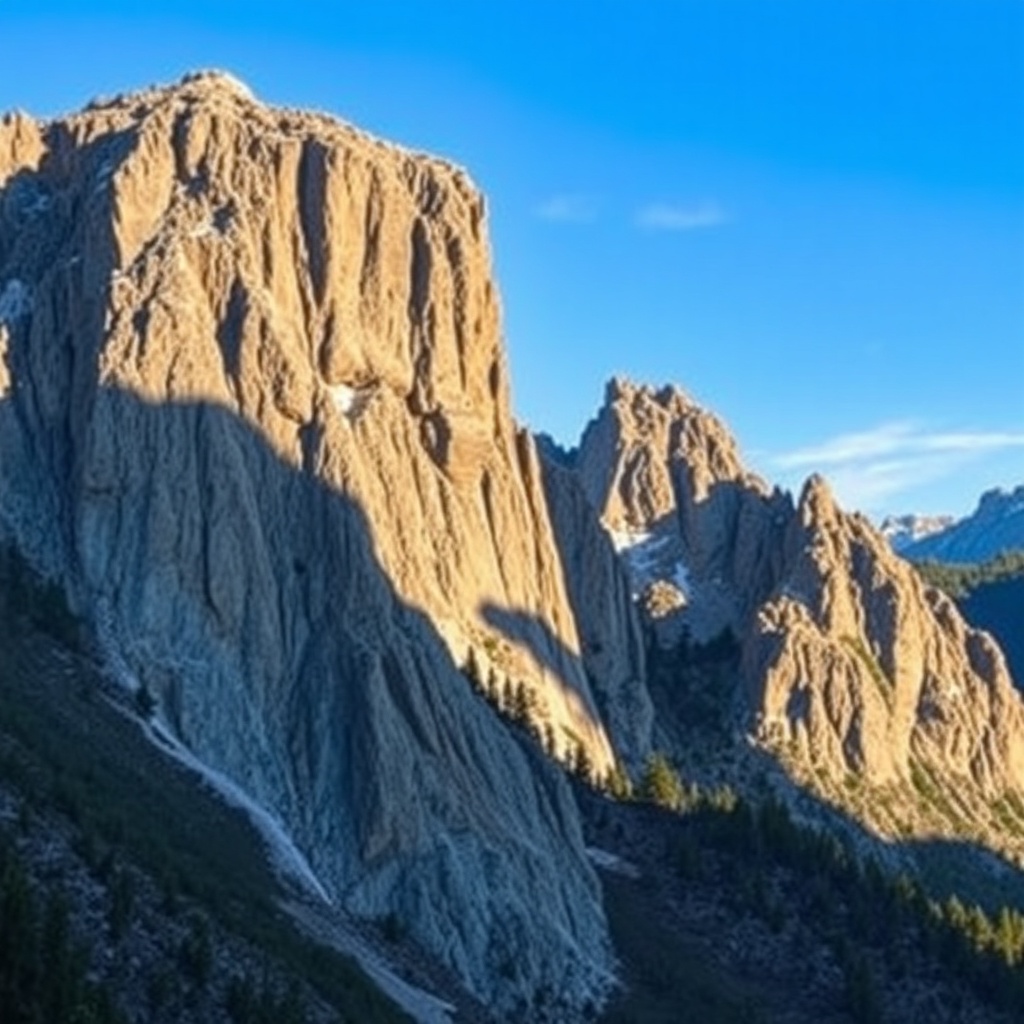
The Rockies were shaped by powerful tectonic forces and sculpted by glaciers, creating jagged peaks, U-shaped valleys, and high plateaus.
You’ll find a mix of sedimentary layers, metamorphic cores, and intrusive igneous bodies exposed at higher elevations. That geological variety supports a range of soils and habitats, from montane forests and subalpine meadows to alpine tundra above tree line—each with distinct plant communities and photographic opportunities.
Weather and safety
Mountain weather changes quickly.
Afternoon thunderstorms, rapid temperature swings, and sudden wind gusts are common, especially at higher elevations. Pack layers, waterproof gear, and check local forecasts before heading out. Altitude affects everyone differently; symptoms like headache, nausea, and shortness of breath can emerge above certain elevations, so ascend gradually, stay hydrated, and allow time for acclimatization.
Wildlife and responsible viewing
The Rockies host iconic animals: elk, mule deer, mountain goats, bighorn sheep, black bears, grizzly bears in some areas, moose, and a variety of small mammals and birds.
Observe from a distance—use binoculars or a telephoto lens—and never feed wildlife.
Learn safe practices for bear country: carry bear spray, store food in approved containers, and hang or secure food at campsites. Respect seasonal closures designed to protect sensitive species during breeding and calving.
Trails, permits, and crowds
Popular trails in national parks and public lands can get crowded during peak seasons.
Many backcountry routes require permits, quotas, or registration to minimize impact and preserve solitude.
Research trail conditions, closure notices, and permit procedures before departure. Off-season visits can offer quieter experiences, but prepare for variable trail conditions and limited services.
Leave No Trace principles
Protect the Rockies for future generations by following Leave No Trace ethics: plan and prepare, travel on durable surfaces, dispose of waste properly, leave what you find, minimize campfire impacts, respect wildlife, and be considerate of other visitors. Stick to established campsites where available, and use a camp stove instead of building a fire in fragile alpine zones.
Backcountry skills and gear
Basic navigation skills, map and compass proficiency, and an understanding of route-finding are invaluable. Essential gear includes layered clothing, sturdy footwear, sun protection, emergency shelter, a headlamp, and a first-aid kit. In winter or steep spring conditions, avalanche awareness, and appropriate equipment such as a beacon, shovel, and probe become critical.
Conservation and stewardship
Visitors can support conservation by volunteering, donating to local land trusts or park foundations, and choosing outfitters and tour operators that follow sustainable practices. Staying informed about land management plans and participating in citizen science programs helps protect wildlife corridors, watershed health, and recreation access.
With preparation and respect for the landscape, a visit to the Rocky Mountains delivers unforgettable scenery, abundant wildlife encounters, and the kind of rugged peace that only high country can provide.
Pack smart, tread lightly, and savor the wide-open vistas.