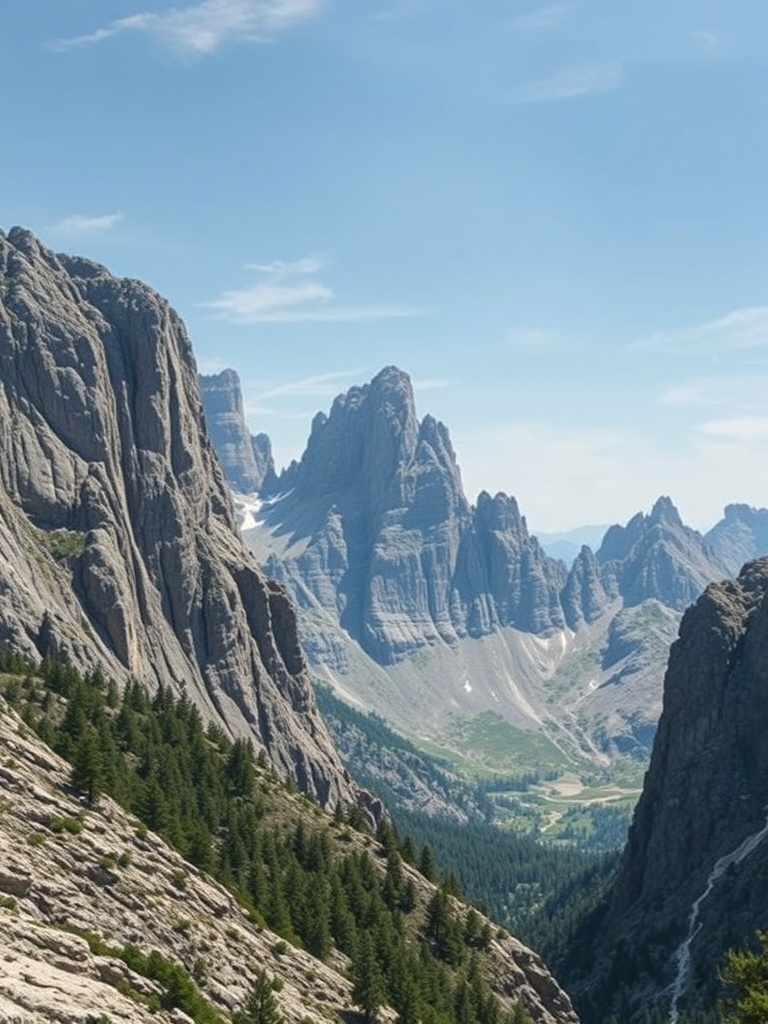
The Rocky Mountains stretch across a vast landscape of peaks, forests, and alpine tundra, drawing hikers, climbers, anglers, and nature lovers from around the world. Whether you’re planning a day hike in a national park, a multi-day backpacking trip, or simply learning about mountain ecology, understanding the key environmental and safety considerations will make your experience richer and more responsible.
Ecology and climate impacts
The Rockies host a range of ecosystems from montane forests to high-elevation tundra.
These zones support iconic species like elk, mule deer, bighorn sheep, mountain goats, black bears, and a variety of birds. Alpine plants that cling to thin soils and harsh conditions are especially vulnerable. Recently, shifts in temperature, precipitation patterns, and snowpack timing are altering habitat availability and forcing wildlife to adjust migration and breeding schedules. Melting snowpack also affects downstream water supplies that communities and agriculture rely on, so mountain conditions have broad implications beyond the slopes.
Wildfire and forest health
Wildfire has become an increasingly important concern across mountain landscapes. Extended dry spells, beetle infestations, and past forest-management practices have contributed to larger, more intense fires. Active forest-restoration projects—thin-and-burn programs, controlled burns, and invasive species control—are being used to improve resilience. When visiting, check local alerts and be prepared to change plans if conditions are unsafe.
Recreation and best practices
Trail Ridge Road, alpine lakes, ridgeline hikes, and technical climbs all offer distinct experiences. Popular destinations can become crowded during peak seasons, so consider visiting lesser-known trailheads or off-peak hours. Key practices to protect fragile environments and wildlife:
– Stay on designated trails to avoid trampling alpine vegetation.
– Pack out all trash, and avoid feeding wildlife.
– Use bear-aware food storage where required and follow campground rules.
– Camp at durable sites and use existing fire rings where permitted.
– Respect seasonal closures for nesting birds or sensitive habitats.
Safety essentials
High elevation brings thin air, rapid weather changes, and increased UV exposure. Altitude sickness can affect anyone; ascend gradually, stay hydrated, and know symptoms like headache, nausea, and dizziness.
Afternoon thunderstorms are common—start hikes early, avoid exposed ridgelines during storms, and carry warm, waterproof layers. Good footwear and a map or reliable GPS are musts for backcountry travel.
Wildlife encounters
Encounters with bears, moose, and other large animals happen. Keep distance, make noise on trails to avoid surprising animals, and know how to react if you meet a bear: back away slowly, avoid running, and use bear spray if necessary. If you encounter elk or bighorn sheep, give them wide berth—mating and rutting seasons can increase aggression.
Conservation and stewardship
Supporting conservation efforts helps ensure the Rockies remain vibrant for future generations. Volunteer trail maintenance, donate to land trusts, or support organizations working on habitat restoration and sustainable recreation planning.
Stay informed about local regulations, permit requirements, and research initiatives that help balance human use with ecosystem protection.
The Rockies offer powerful scenery, solitude, and a deep sense of connection to the natural world. With thoughtful planning, respect for wildlife, and attention to safety, visitors can enjoy these mountains while helping preserve their ecological and cultural value for everyone who follows.