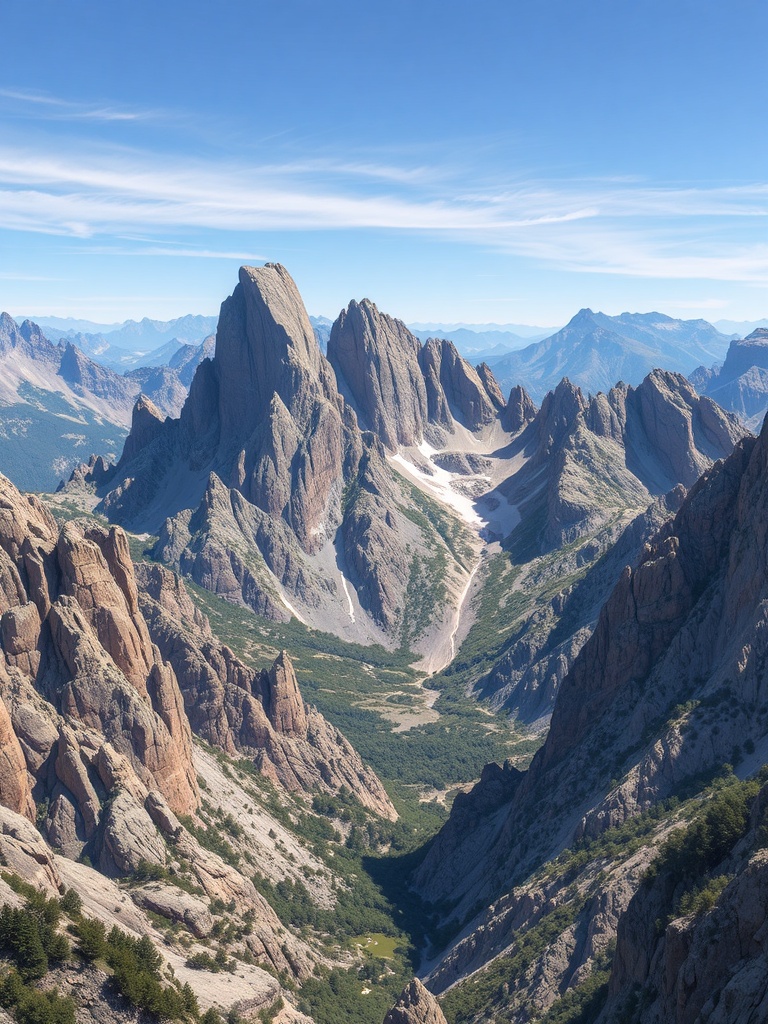
Stretching from the northernmost ranges through western Canada into the American Southwest, the Rocky Mountains offer dramatic peaks, alpine meadows, and a wide range of outdoor experiences. Whether you’re chasing high-country hiking, backcountry skiing, or wildlife viewing, understanding the region’s landscape, seasonal risks, and conservation priorities will help you enjoy it responsibly.
What makes the Rockies special
– Geological drama: The Rockies are a rugged chain of uplifted rock, shaped by tectonic forces and glaciation.
High alpine ridges, cirques, and hanging valleys create iconic scenery and varied terrain for exploration.
– Biodiversity: Elevation gradients support distinct ecosystems—from montane forests and subalpine meadows to alpine tundra. This variety hosts elk, mule deer, moose, bighorn sheep, mountain goats, black bears, and, in parts of the northern ranges, grizzly bears and wolves.
– Protected lands: National and provincial parks, wilderness areas, and national forests protect large swaths of the range, offering access to trails, scenic drives, and managed campgrounds.
Planning a trip: practical tips
– Check permits and regulations: Many popular trailheads require permits, reservations, or timed entries. Research official park and forest websites before you go to avoid surprises.
– Prepare for weather swings: High elevation weather can change rapidly—sunny mornings can become afternoon thunderstorms or snow in the span of hours. Dress in layers and carry rain and wind protection.
– Altitude awareness: Symptoms of altitude illness include headache, nausea, and fatigue. Allow time to acclimatize, stay hydrated, and avoid overexertion during your first days at higher elevations.
– Wildlife safety: Store food securely using bear-resistant canisters where required, hang food if appropriate, and maintain a safe distance from wildlife. Learn how to react to bear encounters and keep pets leashed.
– Leave No Trace: Minimize impact by staying on durable surfaces, packing out trash, and following campsite and fire regulations.
Essential gear checklist
– Layered clothing (base, insulating, waterproof shell)
– Sturdy hiking boots and trekking poles
– Map, compass, and/or GPS device
– Headlamp with extra batteries
– First-aid kit and sun protection
– Bear-resistant food container where required
– Plenty of water and a method to treat additional water
Conservation and changing conditions
The Rockies face ongoing environmental pressures: shifting snowpack and glacial recession, increased wildfire frequency and intensity, invasive species, and development along valley corridors. These changes affect water supplies, wildlife migration patterns, and trail conditions.
Many conservation organizations and land managers are working on habitat restoration, fire management strategies, and sustainable recreation planning to help protect these landscapes for future generations.
Best practices for responsible recreation
– Plan around sensitive habitats: Avoid fragile alpine meadows and stay on designated trails.
– Travel in small groups and use existing campsites to reduce impact.
– Respect wildlife during breeding and migration seasons by keeping distance and limiting noise.
– Support local conservation initiatives and leave donations or volunteer when possible.
Whether you’re walking a short interpretive trail near a scenic overlook or backpacking into a remote basin, the Rocky Mountains deliver unforgettable scenery and rich natural history.
With careful planning, respect for wildlife and ecosystems, and proper safety preparations, you’ll get more out of your trip—and help ensure these iconic mountains remain wild and accessible for others to enjoy.