Why the Rockies matter
High-elevation ecosystems in the Rockies act as natural water towers, storing winter snowpack that feeds rivers and reservoirs downstream.
That snowpack, along with cold alpine habitats, supports species found nowhere else—grizzly bears, mountain goats, wolverines, and the iconic elk and bighorn sheep. These ecosystems also buffer regional climates and provide recreation and tourism that support local economies.
Trends shaping mountain landscapes
Visitorship and demand for outdoor experiences continue to grow, increasing pressure on trail systems, campsites, and fragile alpine terrain. At the same time, climate-driven changes—shifts in snowpack timing, hotter summers, and more frequent wildfire activity—are transforming forests, altering habitats, and challenging long-term planning. Conservation efforts are increasingly focused on restoring natural fire regimes through prescribed burns, enhancing habitat connectivity with wildlife crossings, and partnering with Indigenous communities on stewardship initiatives.
Best ways to experience the Rockies
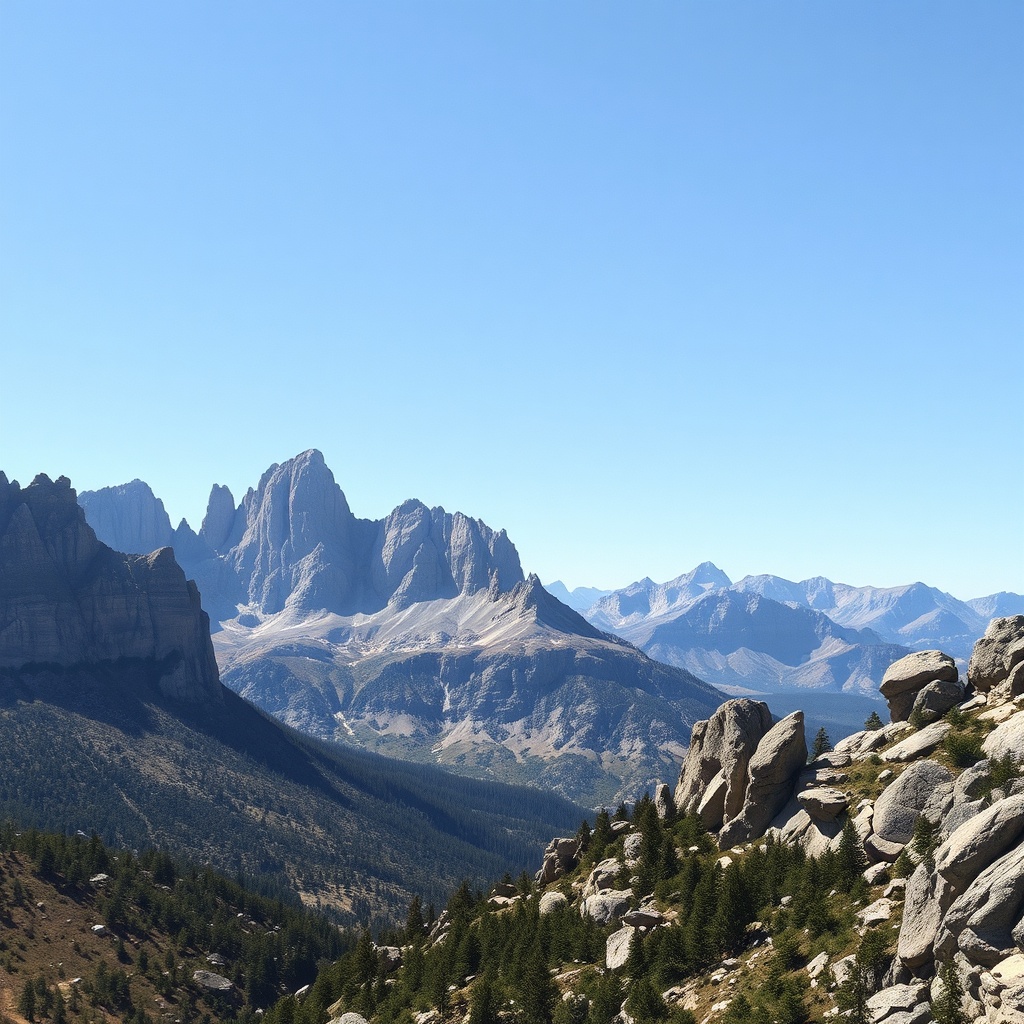
– Hiking and backpacking: From short day hikes to multi-day routes, trails offer panoramas of jagged ridgelines and wildflower meadows. Aim for less-trafficked trailheads early in the morning to enjoy solitude and reduce crowding.
– Skiing and snow sports: Backcountry touring and resort skiing both provide access to deep powder and high-mountain bowls. Always check avalanche forecasts and travel with proper training and rescue gear.
– Fly fishing and rafting: Mountain rivers deliver excellent trout fishing and scenic paddle routes. Practice catch-and-release where appropriate and follow local regulations to protect aquatic health.
– Wildlife viewing and photography: Dawn and dusk are prime times to observe wildlife. Keep a respectful distance, use long lenses for photos, and never feed animals.
Responsible mountain travel
Protecting alpine environments starts with mindful planning. Follow Leave No Trace principles: plan ahead, travel on durable surfaces, pack out all waste, and minimize campfire impacts.
At high elevation, acclimatize gradually to avoid altitude sickness—hydrate well, limit heavy exertion on arrival, and be aware of symptoms like headache and nausea. When camping or hiking in bear country, use approved food storage and carry bear spray where recommended.
Safety essentials
– Check local trail and weather conditions before you go; mountain weather can change rapidly.
– In winter and shoulder seasons, carry avalanche safety equipment and know how to use it.
– Respect closures and seasonal restrictions that protect nesting birds, fragile meadows, or habitat recovery areas.
– Know emergency procedures and have a reliable way to communicate; cell coverage can be sparse in remote valleys.
Conservation and community
Successful long-term protection of the Rockies depends on balancing recreation with ecosystem health. Support local conservation organizations, volunteer for trail maintenance, and encourage policies that prioritize wildlife corridors and sustainable tourism.
Community-led initiatives and Indigenous stewardship are proving powerful tools for restoring habitat and ensuring that mountain landscapes remain resilient and accessible for generations.
Whether seeking solitude on a high ridge, the rush of a rapid, or the quiet of a star-filled alpine night, the Rockies offer experiences that reward both care and curiosity.
Respectful visitation and informed stewardship help keep these peaks, rivers, and valleys thriving for everyone who comes to explore them.