Stretching from high alpine peaks to forested foothills, they offer dramatic scenery and diverse opportunities for recreation, wildlife viewing, and scientific study. Whether you’re planning a day hike or a multi-day backcountry trip, understanding the range’s natural dynamics and safety needs will make your experience richer and safer.
Geology and landscapes
The Rockies were built by powerful tectonic forces that uplifted ancient rocks into soaring peaks and deep valleys. You’ll find sharp ridgelines, glacial cirques, and wide sedimentary basins that tell a long story of uplift, erosion, and past ice activity.
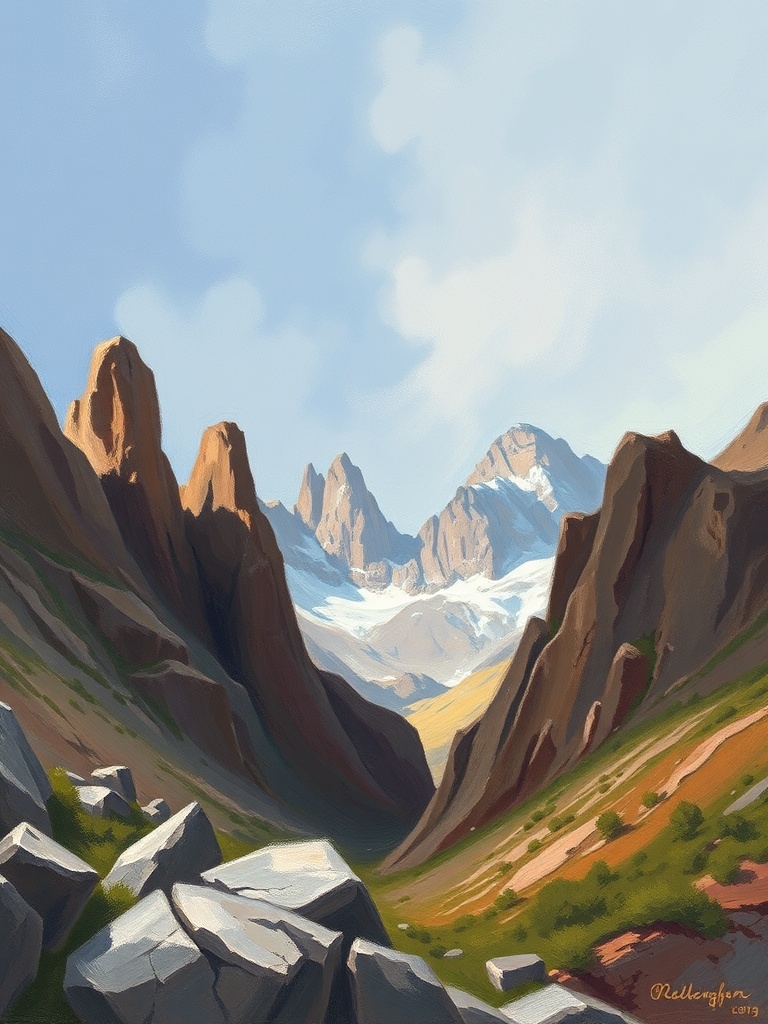
Rock types vary from hard granites and gneisses at the highest summits to layered sandstones and shales in lower ranges, which influences trail conditions and vegetation patterns.
Wildlife and habitat
These mountains host a wide array of wildlife: elk, mule deer, mountain goats, bighorn sheep, black bears, grizzly bears in some regions, cougars, and countless smaller mammals and bird species.
Alpine meadows burst with wildflowers during the warmer months, and conifer forests dominate the mid-elevations.
Habitat connectivity and seasonal migration corridors are essential for many species, so look for wildlife crosses and protected corridors when planning routes.
Outdoor recreation and trail etiquette
The Rockies are famous for hiking, backpacking, climbing, mountain biking, skiing, and fishing.
Popular trailheads can become crowded, so aim for early starts or less-traveled access points if you prefer solitude. Respect trail designations—many routes restrict bikes or horses to protect soil and vegetation. Follow leave-no-trace principles: pack out trash, avoid shortcutting switchbacks, and camp only in designated spots where required.
Safety and preparation
Weather changes rapidly at elevation—sunny mornings can yield sudden snow squalls or lightning by afternoon. Always check current forecasts, start early to avoid afternoon storms, and carry layers, a rain shell, and a warm insulating layer.
Key safety tips:
– Acclimatize to altitude gradually; recognize symptoms of altitude illness and descend if they worsen.
– Carry sufficient water and know where reliable water sources exist; treat or filter backcountry water.
– Learn bear-aware practices: carry bear spray accessible on your pack, make noise on trails, and store food properly in bear-resistant containers where required.
– Use a map, compass, or GPS and know basic navigation skills; cell coverage is often unreliable.
Conservation challenges
Increasing visitation, wildfire risk, invasive species, and climate-driven changes to snowpack and streamflow are reshaping ecosystems. Trail managers are balancing access with preservation through permit systems, seasonal closures, and habitat restoration efforts. Supporting local conservation organizations and following posted rules helps protect sensitive alpine plants and wildlife corridors.
Staying informed and responsible
Before you go, research trail conditions, seasonal closures, and any permits required for overnight trips or parking.
Local ranger stations and reputable trail apps provide updates on trail status, fire restrictions, and wildlife advisories. Respect private land boundaries and cultural sites encountered along routes.
The Rocky Mountains reward careful planning with stunning scenery and memorable encounters with nature.
Prepare thoughtfully, travel lightly, and stay aware of the dynamic mountain environment to enjoy these iconic landscapes responsibly.