What makes the Rockies special
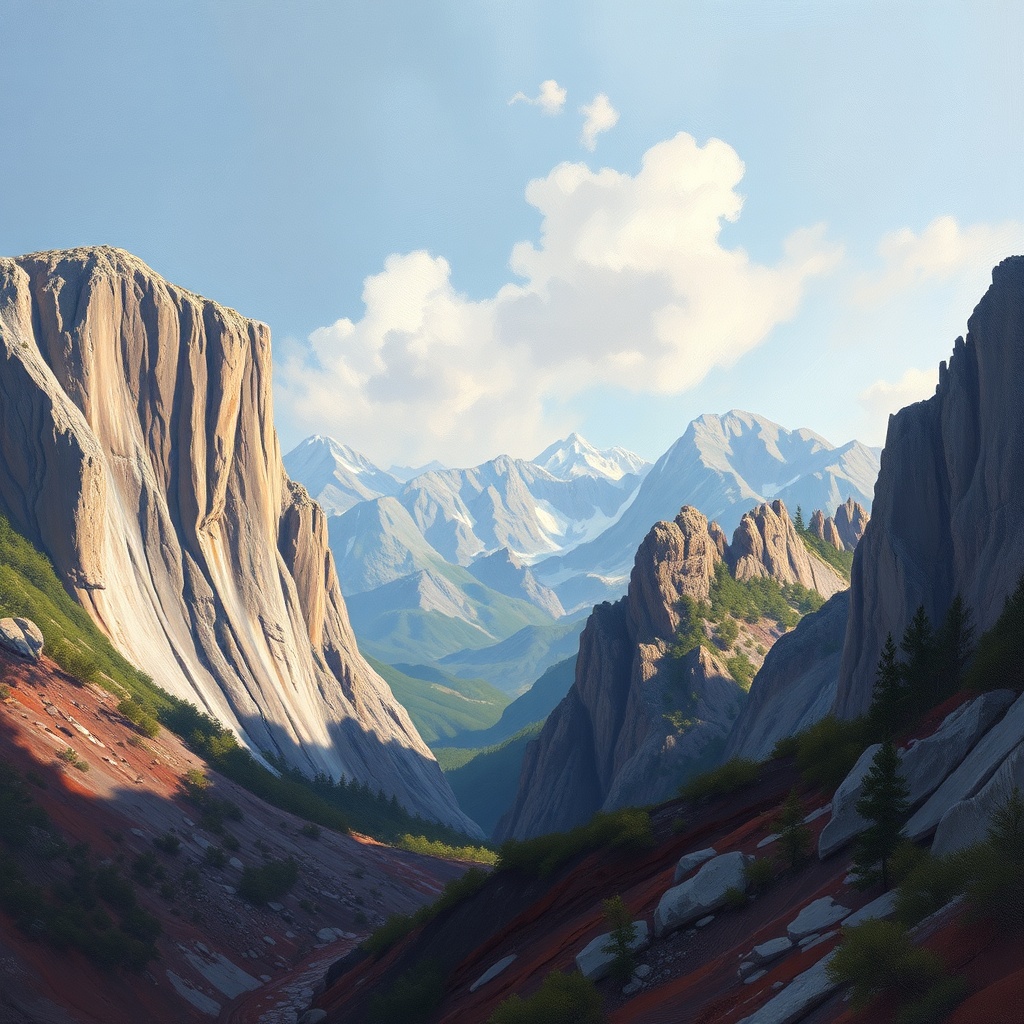
The Rockies form one of the continent’s largest mountain ranges, hosting diverse ecosystems from montane forests to alpine tundra. Snowmelt from these ranges feeds major river systems, so the health of the mountains affects downstream communities, agriculture, and wildlife. Wildlife corridors, old-growth stands, and fragile alpine meadows all deserve attention from visitors and land managers.
Top preparation tips for mountain trips
– Check conditions before you go: Trail status, trail closures, fire danger, and avalanche risk can change quickly. Contact ranger stations or official park sites for the latest updates.
– Learn altitude basics: Even moderate elevations can cause altitude-related symptoms. Ascend gradually, stay hydrated, and allow an extra day for acclimatization on longer trips. Recognize signs of altitude sickness and descend if symptoms worsen.
– Pack for variable weather: Mountain weather is famously changeable. Layering, an insulating mid-layer, a waterproof shell, sun protection, and extra food are essential. Include a headlamp and a basic first-aid kit.
– Navigation tools: Carry a map and compass, and know how to use them. A GPS device or app is helpful but always have a non-electronic backup.
Wildlife and safety etiquette
Encounters with wildlife are highlights, but respecting animals and maintaining safety practices is critical. Keep a safe distance from all wildlife, never feed animals, and store food properly in bear country. Use bear-resistant containers where required and follow campsite rules. When hiking, make noise on blind corners to avoid startling animals, and learn how to respond to encounters with bears, moose, or mountain lions based on current local guidance.
Leave No Trace and low-impact travel
Preserving fragile alpine environments means minimizing your footprint:
– Stay on established trails and avoid trampling vegetation.
– Pack out all trash, including food scraps and biodegradable items.
– Use existing fire rings where allowed, and follow local fire regulations; consider using a stove for cooking to reduce impact.
– Camp on durable surfaces and avoid setting up in meadows or close to water sources.
Water and wildfire considerations
Stream and lake water in mountain areas can be contaminated. Treat water by filtering, boiling, or using chemical disinfectants before drinking. Wildfire risk is a persistent concern—follow fire restrictions, avoid creating sparks near dry brush, and be prepared for rapid changes to access and safety conditions if fires are nearby.
Making your trip meaningful
Support conservation efforts by donating to or volunteering with local land trusts, park foundations, or trail maintenance groups.
Learn about local cultural and indigenous history before visiting sites of significance and practice respectful behavior at cultural and archaeological sites.
Final thoughts
A visit to the Rocky Mountains can be transformative when approached with preparation and respect. Plan ahead, travel light and low-impact, honor wildlife and cultural sites, and stay flexible to changing conditions.
With mindful choices, you’ll help protect these iconic landscapes while enjoying a safe and memorable mountain experience.