Whether you’re chasing summits, scouting wildlife, or simply craving clear mountain air, the Rockies offer a timeless outdoor playground with rich geology, diverse ecosystems, and growing conservation challenges.
Geology and landscape
The Rockies were built by powerful mountain-building forces and sculpted by glaciers, rivers, and relentless erosion.
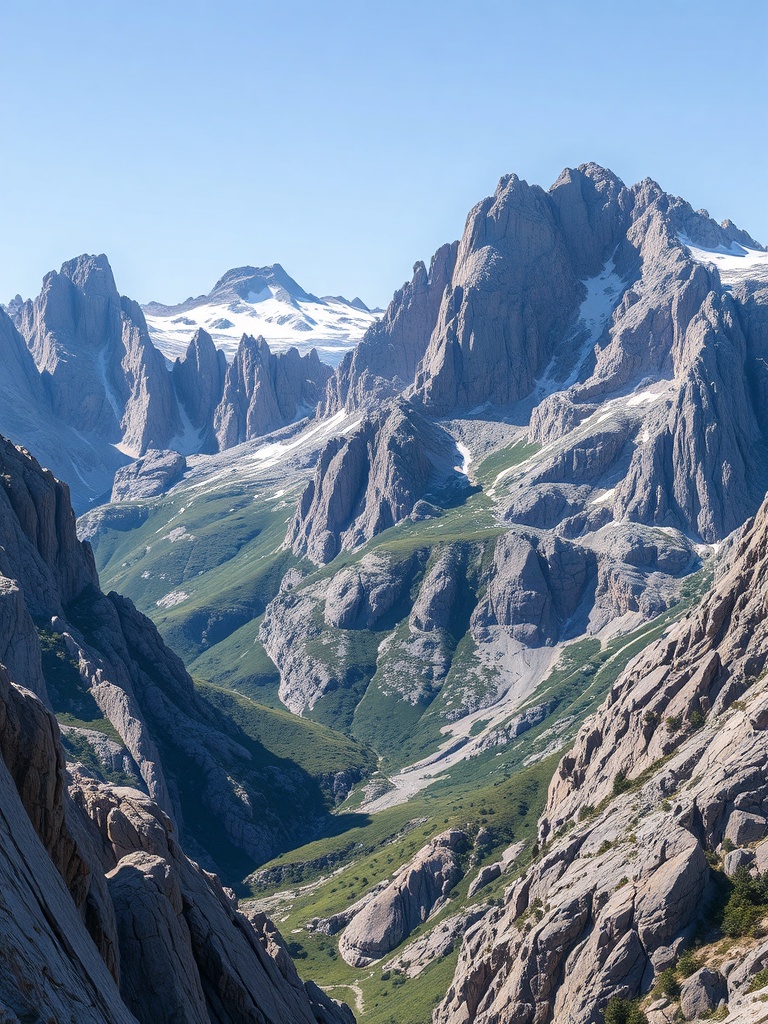
Sharp ridgelines, jagged peaks, and cirque-carved basins tell a long story of uplift and ice. The Continental Divide threads along much of the range, determining whether snowmelt flows to the Pacific or the Atlantic. Glacial remnants and alpine lakes are popular photo subjects, but many glaciers and permanent snowfields are retreating due to a warming climate, reshaping water supplies and downstream ecosystems.
Ecosystems and wildlife
Elevation drives dramatic changes in habitat. Lower slopes support mixed forests and aspen groves; higher elevations shift to lodgepole pine and subalpine fir; above treeline lies the fragile alpine tundra—home to specialized plants and slow-growing grasses. Wildlife is abundant: elk herds graze montane meadows, bighorn sheep and mountain goats navigate sheer cliffs, and predators like cougars and bears play key roles in ecosystem balance. Birdwatchers enjoy sightings of raptors and unique alpine species. Because some large predators have limited ranges, observing them responsibly is essential—maintain distance and never feed wildlife.
Recreation and practical tips
The Rockies cater to all levels of outdoor interest: day hikes, backpacking, technical climbs, skiing, mountain biking, and scenic drives. Popular national and state parks offer well-maintained trail networks, but crowding at prime trailheads and viewpoints can be an issue during peak seasons. A few practical tips:
– Acclimate for altitude: spend a day or two at moderate elevation before attempting strenuous hikes; watch for symptoms of altitude sickness.
– Layer clothing: mountain weather changes fast—pack base, insulation, and a waterproof shell.
– Navigation and safety: carry a map, compass or GPS, and tell someone your route and return time.
– Wildlife safety: store food securely, follow bear-safety practices where required, and keep dogs on leash in regulated areas.
– Permits and regulations: some areas require timed entries, permits, or reservations—check official park or forest websites before you travel.
Conservation and stewardship
The Rockies face pressure from climate shifts, increased visitation, wildfires, and invasive pests. Diminishing snowpack affects water availability for communities and agriculture downstream, while hotter, drier conditions can intensify fire seasons. Responsible visitors can help by practicing Leave No Trace principles: pack out trash, stay on designated trails, limit campfire impacts, and support local conservation groups and land managers.
Volunteering for trail maintenance or habitat restoration is a tangible way to give back.
Planning a visit
To make the most of a Rocky Mountains trip, choose destinations that match your interests—remote wilderness for solitude, popular parks for infrastructure and views, or lesser-known forest areas for quiet discovery. Check trail conditions, weather forecasts, and any advisories before you go. Respect local communities and seasonal closures, and plan with flexibility to adapt to mountain conditions.
The Rocky Mountains remain one of the planet’s great wild places—stunning, complex, and deserving of careful stewardship so future visitors can enjoy the same dramatic landscapes and thriving ecosystems.