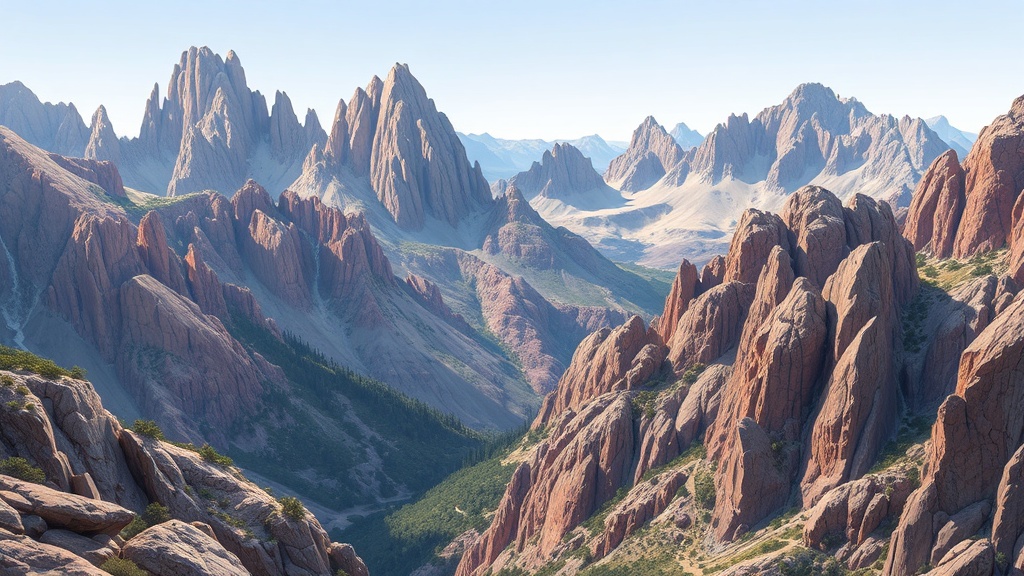
From lower montane forests to windswept alpine tundra, the Rockies combine striking geology, abundant wildlife, and world-class outdoor recreation—making them a destination for adventure, scientific interest, and conservation efforts.
Geology and landscapes
The Rockies were built by tectonic forces that uplifted ancient sedimentary rocks into jagged ranges. Glacial activity sculpted many of the sharp ridgelines, cirques, and U-shaped valleys seen today. Elevation drives distinct life zones: montane forests of pine and fir give way to subalpine meadows rich in wildflowers, and then to alpine zones where only hardy grasses, lichens, and low shrubs survive above the treeline.
Wildlife and ecosystems
These mountain ranges support a wide array of species adapted to altitude and seasonal extremes. Large mammals like elk, mule deer, mountain goats, and bighorn sheep are common in suitable habitats, while predators such as mountain lions, coyotes, and bears play important ecological roles. Birdlife includes raptors like golden eagles and specialized species such as ptarmigan in alpine areas. Aquatic ecosystems—cold, clear streams and alpine lakes—support trout and an array of invertebrates critical to food webs.
Recreation and access
Hiking, backpacking, skiing, mountain biking, rock climbing, and fishing are popular activities.
Trail networks range from short scenic walks to multi-day backcountry routes. For those seeking summit experiences, many peaks offer non-technical ascents, but weather, altitude, and route-finding can make even seemingly moderate climbs challenging. Wilderness permits and trail use restrictions are common, so planning ahead is essential.
Safety and low-impact travel
Mountain weather can change rapidly—sunny mornings can become afternoon storms—so layer clothing, carry rain and wind protection, and keep a map and compass or GPS. Altitude sickness can affect anyone; allow time to acclimatize, stay hydrated, avoid heavy exertion the first day or two, and recognize symptoms like headache, nausea, or dizziness.
Leave No Trace principles are vital: pack out trash, camp on durable surfaces, avoid disturbing wildlife, and follow local guidelines about campfires and food storage. In bear country, use bear-resistant containers and follow site-specific advice to minimize encounters.
Seasonal considerations
Trail conditions vary by location and elevation. Late spring through early fall often offers the most accessible hiking and backpacking opportunities at moderate elevations, while higher passes may retain snow much longer. Winter opens up backcountry skiing and snowshoeing but also brings avalanche risk—check local avalanche forecasts, carry rescue gear (beacon, probe, shovel), and get proper training before traveling in avalanche terrain.
Conservation and stewardship
Human pressures—recreation, development, invasive species, and shifting climate patterns—affect mountain ecosystems. Conservation initiatives focus on maintaining habitat connectivity, protecting watersheds, and supporting species resilience. Responsible recreation and support for local conservation groups help sustain the landscapes that attract visitors.
Practical packing checklist
– Layered clothing (base, insulating, waterproof outer layer)
– Sturdy footwear and gaiters if crossing snowfields
– Navigation tools (map, compass, GPS)
– Sufficient water and a filtration method
– High-energy food and emergency shelter
– Sun protection and sunglasses (UV intensity increases with elevation)
– Bear-safe food storage and odor-proof bags where required
The Rocky Mountains reward careful planning and respect for natural limits. With preparedness, awareness, and a commitment to Leave No Trace, visitors can enjoy spectacular scenery and memorable outdoor experiences while helping keep these mountain ecosystems healthy for the future.