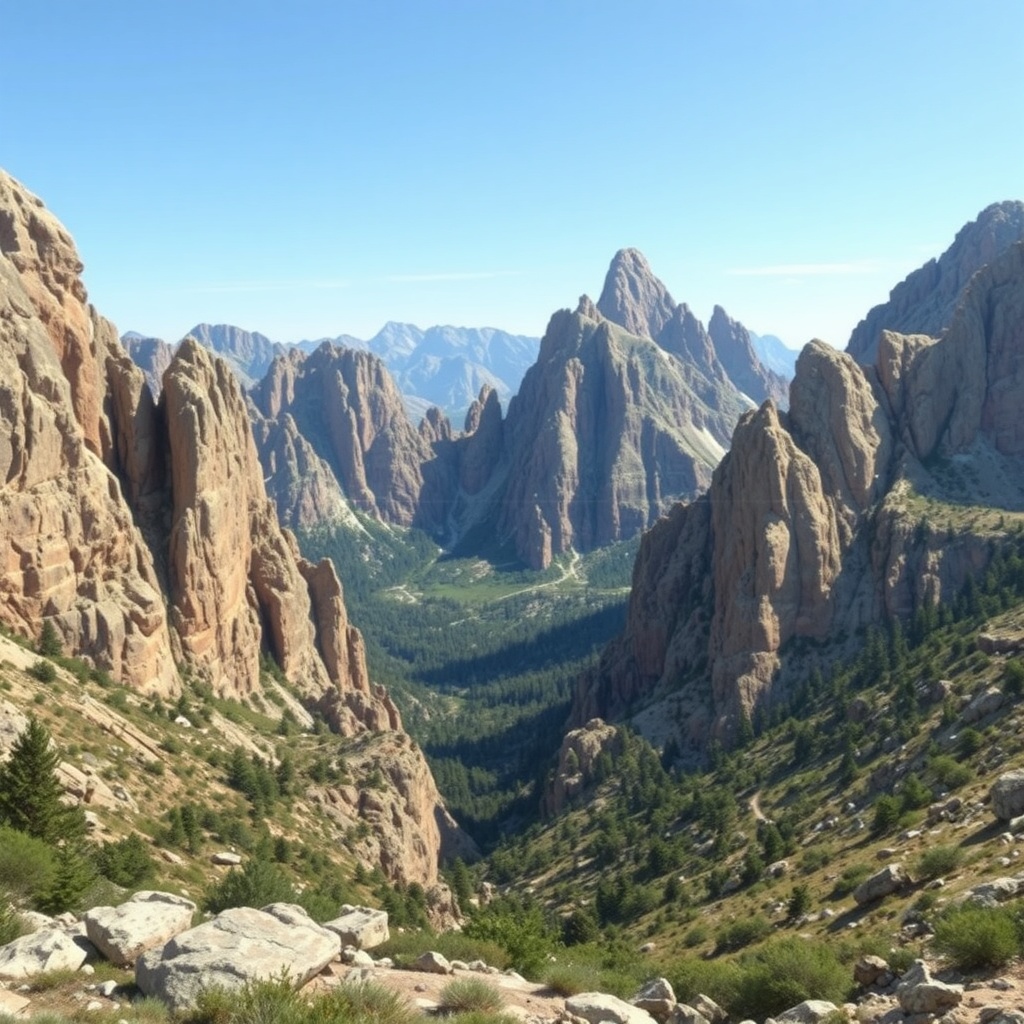
The Rocky Mountains stretch across a vast interior region, offering dramatic peaks, alpine meadows, and a rich mosaic of ecosystems. Whether you’re planning a day hike, backcountry trek, or scenic drive, understanding the landscape and practicing responsible recreation will make any visit safer and more rewarding.
What makes the Rockies special
The range features distinct elevation zones—montane forests, subalpine woodlands, and treeless alpine tundra—each hosting unique plants and wildlife. Wildflower meadows burst into color in warm months, while high ridgelines provide expansive views and fragile habitat for species adapted to thin air and cold. Large mammals such as elk, moose, bighorn sheep, and mountain goats share space with apex predators; bears remain a concern in many areas and require cautious behavior from visitors.
Weather and altitude: plan for variability
Mountain weather changes rapidly.
Afternoon thunderstorms can build quickly, especially at higher elevations, bringing lightning, hail, and sudden temperature drops. Snow can fall unexpectedly even when valleys are warm. Altitude affects physical performance—shortness of breath, headache, and fatigue signal the need to slow down and acclimatize.
Key precautions:
– Start hikes early to avoid afternoon storms.
– Dress in layers and carry waterproof windproof outerwear.
– Hydrate, eat regular snacks, and ascend gradually to reduce altitude-related issues.
Safety and wildlife etiquette
Maintain safe distances from all wildlife; use binoculars or a zoom lens for photos. Do not feed animals—human food changes animal behavior and increases danger for people and wildlife.
In areas with bear activity, carry bear spray where recommended, store food properly in lockers or bear-proof containers, and follow local guidance on campsite food management. Keep dogs leashed where required; off-leash animals can provoke wildlife or be harmed.
Leave No Trace and conservation priorities
Preserving the Rockies’ landscapes depends on low-impact travel. Follow Leave No Trace principles: pack out all trash, stay on durable trails, camp on established sites, and minimize campfire impacts where regulations restrict burning. Conservation challenges include habitat fragmentation, invasive species, and the effects of a changing climate on snowpack and alpine ecosystems.
Supporting local conservation groups and complying with trail permits helps protect fragile areas.
Trail and trip planning tips
– Check current trail conditions, fire restrictions, and permit requirements before you go.
– Carry a map and compass or a reliable GPS device; cell service is often unreliable.
– Wear supportive footwear suitable for rocky, uneven terrain.
– Pack more water and food than you think you’ll need and consider a water filter for longer trips.
– Know emergency procedures and leave a trip plan with someone who will check in.
Enjoy responsibly
The Rockies reward curiosity and restraint.
Observing seasonal patterns, respecting wildlife, and preparing for changing conditions ensures memorable experiences for you and future visitors. With mindful planning and a conservation-minded approach, the high country remains a place of wonder and renewal for all who explore it.