Why mining towns matter
Mining towns are often the economic and cultural heart of remote regions. They concentrate specialized skills, infrastructure, and community bonds that persist long after mines close.
Their stories reveal how local economies can pivot from extractive industries to diversified, sustainable livelihoods.
Common challenges
– Economic dependence: Single-industry towns face sharp downturns when prices fall, resources deplete, or operations modernize.
– Environmental legacy: Abandoned workings, tailings, and contaminated land pose health and regulatory challenges.
– Demographic shifts: Outmigration of young people and skill gaps can undermine recovery efforts.
– Social infrastructure: Schools, hospitals, and housing may deteriorate as tax bases shrink.
Paths to resilience
1. Heritage and tourism: Former mining sites make compelling cultural attractions. Adaptive reuse of industrial buildings, museums, guided mine tours, and trails can draw visitors and create jobs while preserving local identity. Successful projects combine storytelling, safety upgrades, and partnerships with tourism operators.
2. Economic diversification: Encouraging small businesses, remote work hubs, light manufacturing, and renewable energy projects helps reduce reliance on mining. Incentives, retraining programs, and co-working spaces attract entrepreneurs and keep skilled residents local.
3.
Environmental remediation and reuse: Cleaning up contaminated sites and repurposing land for parks, solar farms, or commercial development transforms liabilities into assets.
Public-private remediation funds, community land trusts, and phased reclamation can lower costs and speed redevelopment.
4. Supporting artisanal and small-scale mining (ASM): In regions with informal mining, formalization programs that provide training, access to markets, and environmental safeguards improve livelihoods and reduce harm. Policies that integrate ASM into supply chains increase transparency and worker protections.
5. Digital connectivity and education: Reliable broadband and vocational training expand opportunities beyond extraction. Online learning and remote employment help retain young people and upskill the workforce for new sectors.
Policy and governance levers
Strong local leadership and inclusive planning make transitions more equitable. Key policy tools include economic transition funds, tax stabilization measures to maintain services during downturns, land-use planning that reserves parcels for future development, and incentives for green investment.
Community engagement at every stage builds trust and ensures benefits are widely shared.
Designing sustainable redevelopment
– Conduct transparent environmental assessments before repurposing land.
– Prioritize community needs: housing, health, and education.
– Leverage heritage—protect historic structures and archive oral histories.
– Build partnerships with universities, NGOs, and the private sector to access expertise and financing.
A note on ghost towns
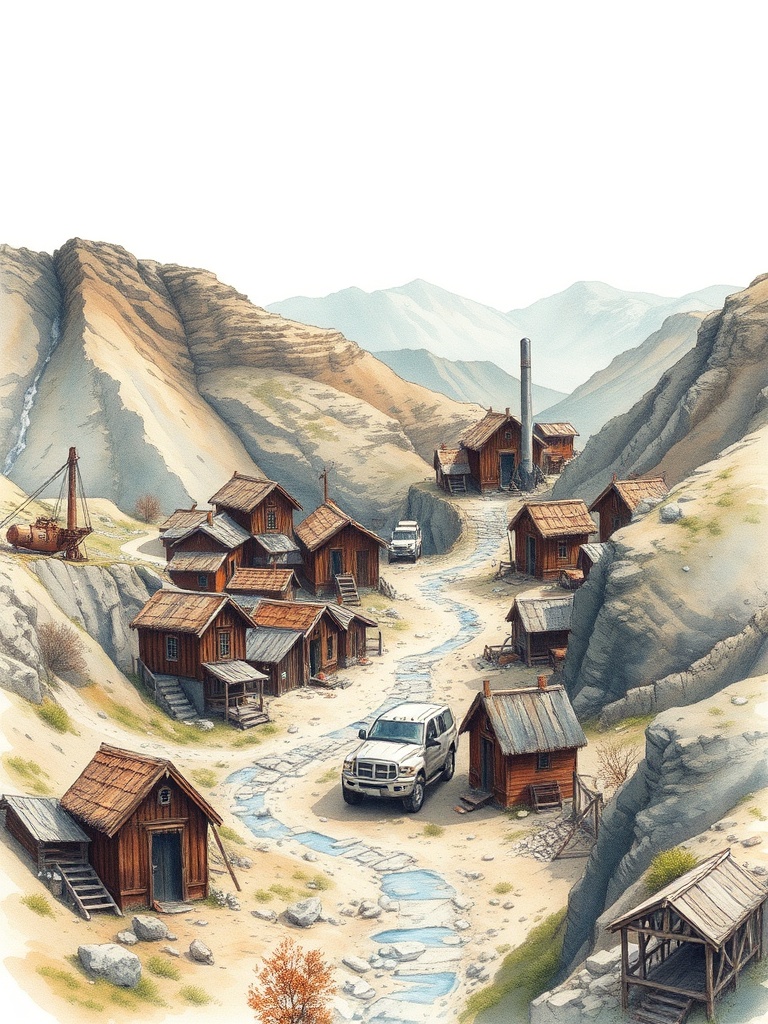
While some former mining settlements become evocative ghost towns, many adapt. Ghost towns can attract niche tourism, but long-term prosperity usually requires proactive planning and investment. Avoid romanticizing abandonment without acknowledging the human costs involved.
Practical tips for community leaders
– Start transition planning early, before decline accelerates.
– Create a local transition task force with diverse stakeholders.
– Pursue small, visible wins—community gardens, pop-up markets, or cultural festivals—to build momentum.
– Seek regional collaboration; nearby cities and institutions can provide resources and markets.
Mining towns are not destined for decline. With thoughtful planning, investment in people and the environment, and creative reuse of assets, these communities can transform extractive legacies into lasting local value and renewed opportunity.