Today, many mining towns are reinventing themselves as hubs of heritage tourism, outdoor recreation, and clean-energy development, offering lessons in adaptation and community-led renewal.
The boom-bust cycle and its legacy
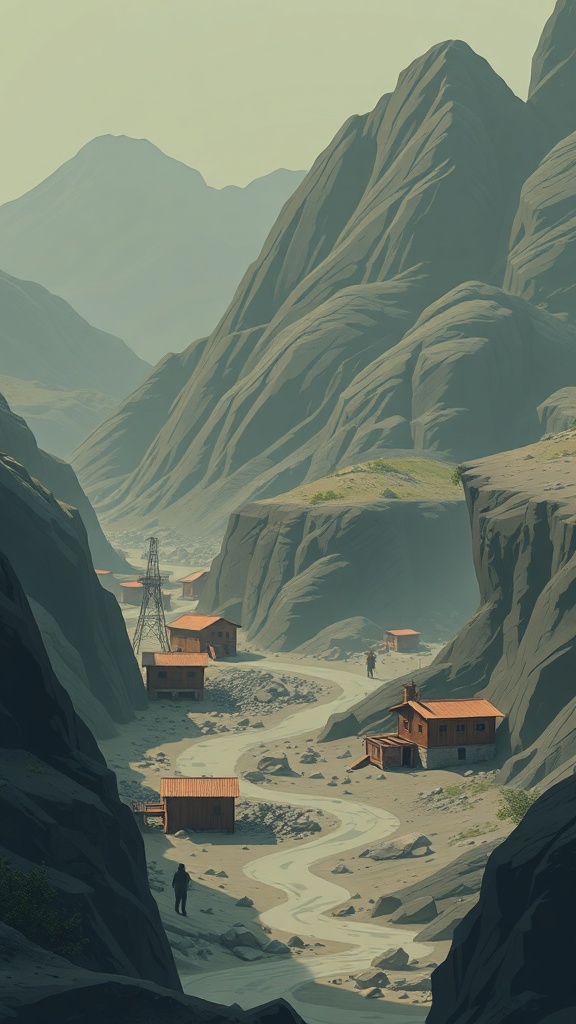
Mining towns typically grew quickly around resource extraction. When mines prospered, towns flourished; when ores ran out or prices fell, populations shrank and infrastructure was left behind. That cyclical history shaped tight-knit communities, striking industrial architecture, and often a significant environmental legacy: abandoned shafts, tailings, and polluted waterways that require careful remediation.
From abandonment to attraction
Vacant buildings and historic sites can be liabilities — or assets.
Adaptive reuse strategies turn former mining infrastructure into museums, cultural centers, breweries, artist studios, and boutique accommodations. Heritage tourism taps into curiosity about industrial history: guided mine tours, interpretive trails, and living-history exhibits give visitors tangible connections to the past while supporting local businesses.
Environmental cleanup as opportunity
Environmental remediation is both a necessity and an economic opportunity. Brownfield redevelopment programs, reclamation grants, and public-private partnerships fund mine-site cleanup and prepare land for new uses such as parks, solar farms, or mixed-use developments. Investing in cleanup improves public health and unlocks land value that can catalyze sustainable local economies.
Economic diversification strategies
Long-term resilience depends on diversifying beyond extraction. Successful approaches include:
– Outdoor recreation: Trails, climbing, fishing, and skiing leverage natural landscapes to attract visitors year-round.
– Renewable energy: Former mining sites often provide ample space and grid access for solar and wind projects.
– Remote work and small business: Improved broadband and affordable housing attract telecommuters, artisans, and niche manufacturers.
– Agritourism and specialty food: High-altitude farming, wineries, and farm-to-table ventures create new income streams.
Community-led planning and social capital
Resilient mining towns invest in people as much as infrastructure. Workforce retraining programs, entrepreneurship support, and education partnerships help residents transition to new industries. Preserving cultural heritage—oral histories, festivals, and murals—strengthens identity and makes redevelopment locally grounded rather than externally imposed.
Practical tips for key audiences
– For visitors: Respect private property, support local shops and guides, and learn about the town’s industrial and cultural history before you go.
– For local leaders: Prioritize broadband, pursue brownfield funding, protect historic assets, and build partnerships with universities and regional planners.
– For investors: Look for towns with clear reclamation plans, available incentives, and community buy-in. Public-private collaborations reduce risk and improve outcomes.
Balancing preservation with change
Successful revitalization balances conservation of historic character with modern needs. Design guidelines, heritage districts, and sensitive redevelopment can keep a town’s identity intact while creating jobs and housing. Transparent community engagement and phased development reduce conflict and ensure benefits spread broadly.
Mining towns are not relics; they are evolving places where history, environment, and innovation intersect.
With targeted investments, community leadership, and creative reuse, these towns can transform legacy challenges into long-term opportunities for sustainable growth and vibrant local culture.