The boom-bust lifecycle
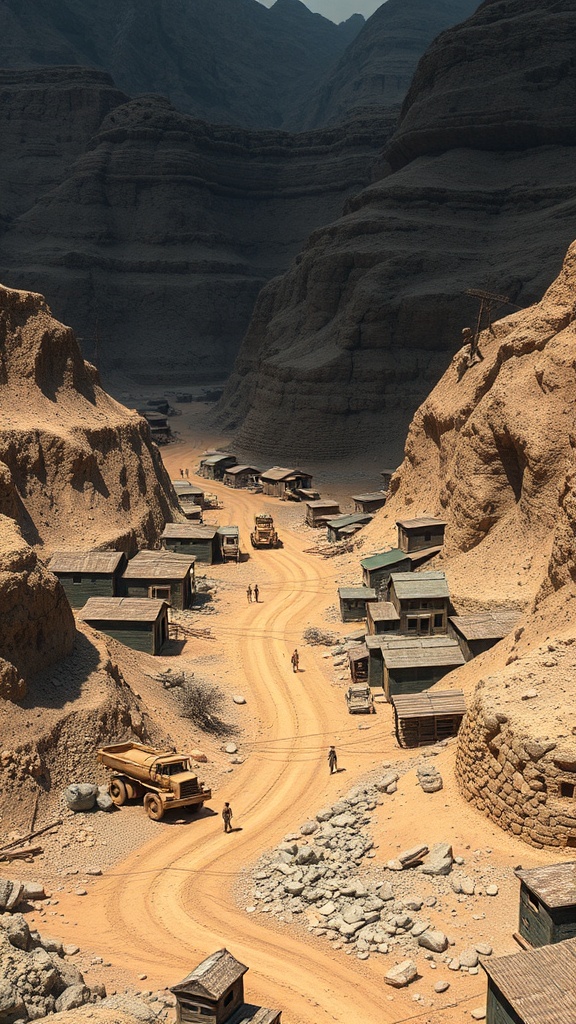
Many mining towns grew quickly around a single resource and associated infrastructure. When mines slowed or closed, towns faced population loss, vacant buildings, and environmental legacies.
That pattern created a characteristic built form—rows of workers’ housing, mills or headframes, rail spurs, and a concentrated main street—that makes mining towns compelling places for heritage interpretation and adaptive reuse.
Contemporary trends shaping mining towns
– Heritage and cultural tourism: Old mine sites, museums, and preserved industrial structures draw visitors interested in history and industrial archaeology. Guided tours, interpretive trails, and storytelling festivals transform former industrial assets into ongoing economic drivers.
– Adaptive reuse and creative economies: Former warehouses and company buildings become galleries, breweries, co-working spaces, and artist studios. Creative reuse taps existing character while creating local jobs and experiences that attract visitors and new residents.
– Environmental remediation and reclamation: Reclaiming mine sites—stabilizing tailings, restoring vegetation, and improving water quality—turns liabilities into parkland, trail networks, and wildlife habitat. Public-private partnerships and grant funding often support these projects.
– Outdoor recreation and nature-based tourism: Mountains, river corridors, and open landscapes near mining towns support hiking, mountain biking, and river sports. Linking trails and interpretive signage increases length-of-stay and local spending.
– Remote work and small-business growth: Improved connectivity and a desire for lifestyle change have helped some former mining towns attract entrepreneurs and remote workers seeking affordable housing and scenic settings.
Best practices for community reuse and resilience
– Conduct an asset inventory: Map buildings, infrastructure, natural features, and cultural assets to guide strategic reuse. Historic industrial structures often reveal unique opportunities for placemaking.
– Engage the community: Local history, memories, and priorities should drive redevelopment.
Community-led visions build support and ensure projects meet local needs.
– Prioritize environmental health: Addressing contamination and public safety is essential before new uses are promoted. Phased remediation allows parts of a site to be reused while longer-term cleanup continues.
– Create economic diversity: Relying on single industries risks repeating boom-bust cycles. Mix tourism, small manufacturing, services, and remote-work amenities to broaden the employment base.
– Promote authentic storytelling: Heritage interpretation that honors workers, indigenous histories, and environmental impacts creates meaningful visitor experiences and supports conservation goals.
Visitor tips for respectful travel
– Check access and safety: Many historic mine areas are hazardous; stay on designated paths and obey signage. Guided tours are the safest way to explore some sites.
– Support local businesses: Eat in local cafés, buy from artisans, and book local guides to ensure visitor dollars benefit the community.
– Learn the history: Visit museums, interpretive centers, or local archives to understand the town’s past and present.
– Follow leave-no-trace principles: Respect fragile landscapes and private property, and pack out what you bring in.
Mining towns are not frozen relics; they are living places that blend industrial heritage with fresh economic ideas. Thoughtful planning, robust environmental action, and authentic cultural storytelling help these communities preserve their identity while adapting to contemporary opportunities.