Why reinvention matters
Mining towns often sit on infrastructure that other rural areas lack: rail links, power lines, water access, and sturdy housing.
Those assets make them ideal candidates for new industries.
Revitalization not only preserves local heritage but also reduces pressure on urban centers by creating regional opportunities.
Paths to sustainable change
– Economic diversification: Communities are expanding beyond extraction into sectors like renewable energy, light manufacturing, and niche agriculture.
Solar and wind farms can repurpose disturbed land and provide long-term revenue streams without the boom-bust volatility of mining.
– Heritage and experiential tourism: Restored mine sites, museum tours, and living-history festivals attract visitors interested in industrial history. Adaptive reuse of warehouses and miner cottages into galleries, cafes, and B&Bs creates jobs while celebrating local culture.
– Environmental remediation and restoration: Reclaiming mine lands through phytoremediation, wetland creation, and soil stabilization improves biodiversity and opens spaces for recreation. Funding models often combine government grants, private investment, and community crowdfunding.
– Remote work and creative migration: High-speed internet enables remote professionals to relocate to scenic, lower-cost towns. Attracting a mix of residents—artists, entrepreneurs, and digital workers—helps balance the demographic shift that many mining towns face.
– Education and skills retraining: Partnering with community colleges and trade schools equips residents for jobs in construction, environmental management, renewable energy, and equipment maintenance. Local training centers can become recruitment hubs for new industry.
Designing place-based strategies
Successful transitions respect local identity. Community-led planning ensures new uses honor mining heritage while meeting contemporary needs.
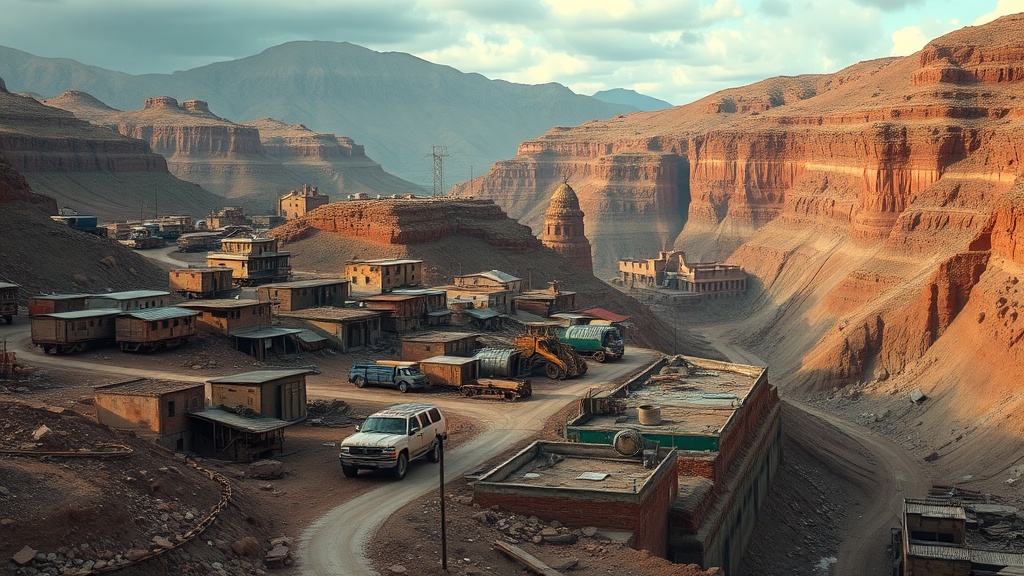
Simple tactics make a big difference: converting an old rail spur into a multipurpose trail, hosting regular markets in refurbished halls, or creating interpretive trails that tell the story of the landscape.
Financing and partnerships
Public-private partnerships unlock large projects.
Philanthropic foundations and impact investors are increasingly interested in projects that combine ecological restoration with job creation.
Grants for brownfield cleanup, tax incentives for adaptive reuse, and social-impact bonds are common financing tools. Towns that present clear plans, measurable outcomes, and local buy-in attract more support.
Challenges to anticipate
Revitalization is complex. Key hurdles include legacy pollution liability, limited local capacity for project management, and seasonal employment patterns. Equitable development must avoid displacement of longtime residents while ensuring new opportunities are accessible to all.
Looking ahead
Mining towns that blend respect for their past with practical economic strategies are becoming models for sustainable rural development. Success hinges on creative reuse of infrastructure, strong community leadership, and partnerships that align environmental goals with job creation. With thoughtful planning, former extraction communities can evolve into vibrant, resilient places that offer both a sense of history and a future worth staying for.