The legacy of extraction shows in both visible and invisible ways.
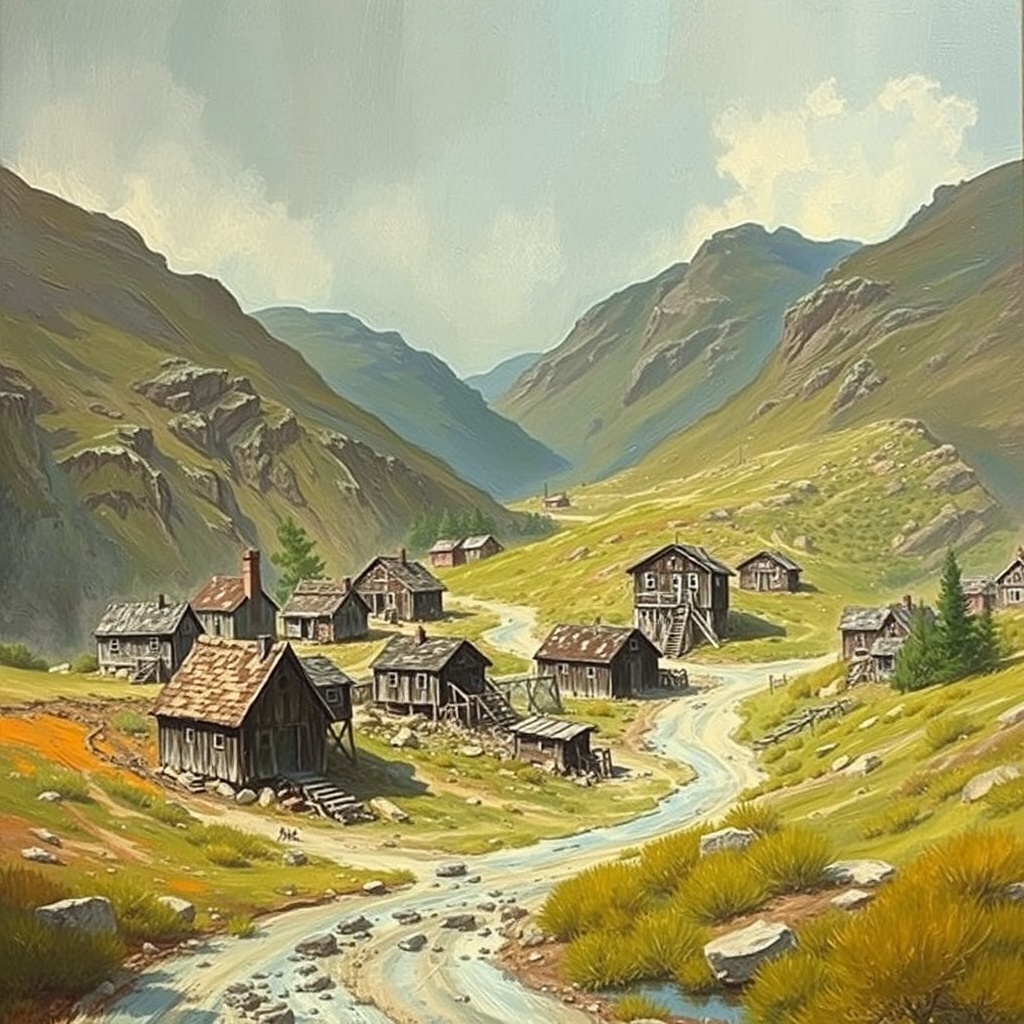
Abandoned shafts, rail spurs, and mill buildings create evocative skylines that attract photographers and history buffs, while contaminated soils and water require careful cleanup. Legacy pollution, structural instability, and inadequate housing can make transition challenging, but each challenge is also an opportunity for creative reuse and community renewal.
Heritage tourism is one of the most successful strategies for breathing new life into mining towns. Old headframes, museums, guided mine tours, and interpretive trails turn industrial history into a visitor draw. Festivals and cultural events celebrating mining heritage help sustain local businesses and preserve oral histories. When interpretive programming emphasizes safety and environmental learning, it deepens visitor engagement and supports conservation goals.
Economic diversification is essential. Reliance on a single commodity makes towns vulnerable to price swings and depletion.
Communities that attract small manufacturing, renewable energy projects, remote workers, and sustainable agriculture reduce their exposure to boom-and-bust cycles. Available infrastructure—roads, rail spurs, power connections, and large industrial buildings—can be a competitive advantage when targeting new industries.
Environmental remediation transforms liability into asset. Techniques range from phytoremediation and wetland restoration to engineered capping and soil replacement. Remediation funded through public-private partnerships or brownfield grants not only protects public health but can unlock land for parks, housing, or commercial use. Strategic planning should prioritize long-term monitoring and community involvement to ensure transparency and trust.
Adaptive reuse is both practical and symbolic. Repurposed mill buildings become makerspaces, breweries, galleries, and coworking hubs. Old housing can be renovated for modern affordability while retaining character.
Creative zoning and incentives—tax credits, expedited permitting, and facade grants—encourage investment while preserving historic fabric.
Social and health considerations must be central. Mining towns often face higher rates of respiratory and occupational illnesses, limited access to healthcare, and workforce retraining needs.
Investment in clinics, telemedicine, and vocational programs for reclamation, renewable installation, and heritage management supports workforce transition and community wellbeing.
Community-led planning produces more durable outcomes.
Local stakeholders know place-specific assets and constraints best; when they lead visioning, projects are more equitable and sustainable. Effective planning blends economic analysis with cultural values, ensuring that growth benefits longtime residents as well as newcomers.
Practical steps for mining towns pursuing reinvention:
– Audit assets and liabilities: map infrastructure, environmental risks, and cultural resources.
– Pursue funding: combine public grants, private investment, and nonprofit partnerships.
– Prioritize health: implement remediation and expand healthcare access early in transition.
– Encourage adaptive reuse: offer incentives for renovating historic industrial buildings.
– Diversify jobs: target industries that leverage existing infrastructure and regional strengths.
– Promote heritage tourism: develop safe, interpretive visitor experiences that respect local history.
Mining towns are complex places where geology meets human stories. With thoughtful planning, investment in remediation and health, and a focus on diverse economic pathways, these communities can honor their past while constructing healthier, more resilient futures. The tangible remnants of extraction become the foundations for new purposes—economic, cultural, and ecological—when strategy and community intent converge.
Leave a Reply