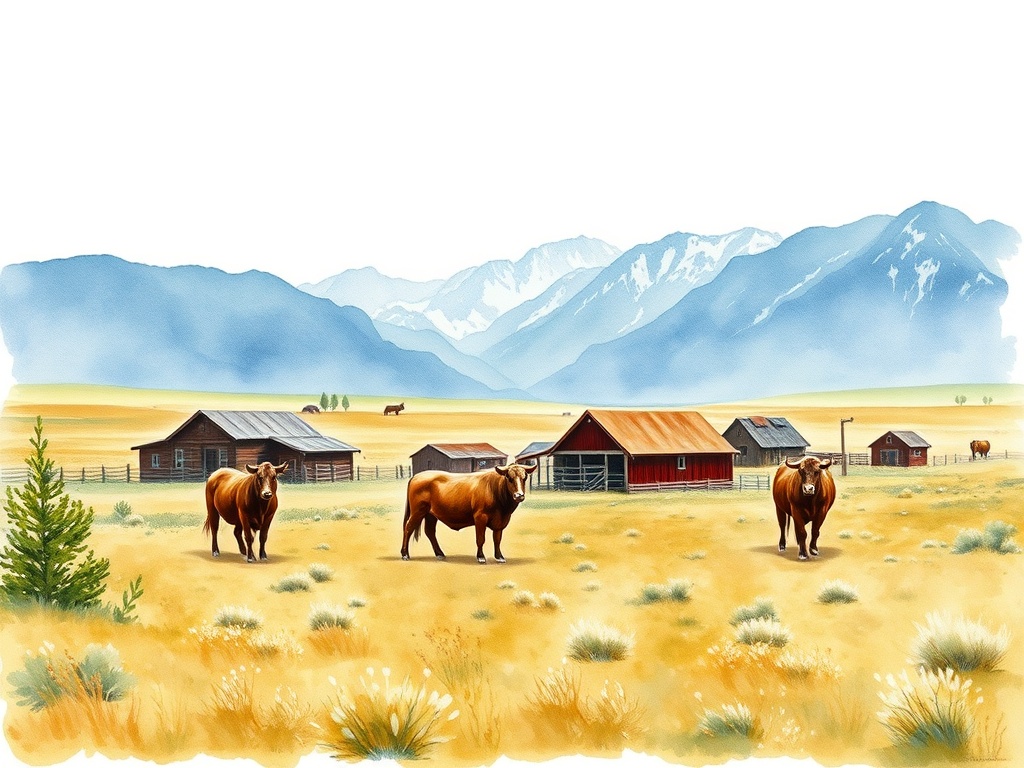
Wide open skies, sweeping grasslands, and rugged mountain backdrops make Wyoming ranches some of the most iconic working landscapes in the country. Beyond the postcard views, these properties are centers of active land stewardship, small-business agriculture, and creative diversification. Whether you’re dreaming of a working cattle operation, a guest ranch retreat, or a conservation-minded holding, understanding the practical and ecological realities is essential.
Working the land: practical management priorities
Successful ranching in Wyoming depends on matching livestock enterprises to the landscape. Beef cattle remain the backbone of many operations, but ranch size, forage types, elevation, and water availability determine stocking rates and grazing schedules. Adaptive strategies such as rotational grazing, rest periods for depleted pastures, and targeted salting and herding help maintain perennial grasses and reduce erosion.
Water is a critical asset. Surface water rights, groundwater availability, springs, and riparian areas require careful planning for long-term resilience. Investing in efficient irrigation, pipelines to reduce livestock concentration at riparian zones, and water-storage ponds can protect both the herd and the habitat.
Conservation and ecosystem services
Ranchers increasingly balance production with conservation.
Practices like restoring riparian buffers, controlling invasive weeds (for example, cheatgrass and spotted knapweed), and maintaining native grasslands improve forage quality and wildlife habitat. Conservation easements offered by land trusts allow owners to protect open space while retaining ranching rights and receiving tax benefits.
Access to adjacent public lands managed by the Bureau of Land Management and the U.S. Forest Service often supplements private range, but these relationships require careful coordination of grazing permits, responsible use, and compliance with seasonal restrictions.
Diversification: income streams beyond cattle
Many Wyoming ranches augment income through diverse avenues. Guest ranches and dude ranches offer immersive horse-back riding, fly-fishing, and wildlife viewing experiences that draw visitors seeking authentic Western hospitality. Hunting leases for elk and mule deer, film and photography location rentals, and renewable-energy leases for wind or solar can provide steady revenue while keeping core ranching operations intact.
Emerging opportunities include participation in carbon markets and regenerative agriculture programs that pay for verified improvements in soil health and carbon sequestration. These require documented management practices and collaboration with verifiers and conservation partners.
Buying or leasing a ranch: due diligence checklist
Prospective buyers should evaluate water rights and title status, fencing condition and layout, range health, and seasonal access. Soil type, topography, and elevation affect what livestock and crops will thrive. Confirm grazing permit terms if the property relies on public land allotments. Check for conservation easements, mineral rights reservations, and any existing lease obligations.
Local expertise is invaluable—county extension agents, experienced ranch brokers, and neighboring ranchers can provide practical insights about climate patterns, forage cycles, and infrastructure needs.
Quality of life and legacy
Owning a Wyoming ranch often means joining a community woven into a landscape that supports both people and wildlife. Many ranchers measure success by resilience: the ability to weather droughts, protect water and soil, and pass a productive property to the next generation.
Whether pursued as a full-time livelihood, a seasonal guest operation, or a conservation project, Wyoming ranches reward long-term thinking, flexible management, and deep respect for the land.
If you’re considering a ranch purchase, a guest operation, or simply want to experience ranch life, start by talking with local experts, visiting properties in different seasons, and clarifying your goals for production, recreation, and conservation. The right match sets the stage for a fulfilling connection to one of America’s most enduring landscapes.