Beyond the dramatic eruptions and kaleidoscopic pools, Yellowstone offers a profound lesson in geology, ecology, and responsible outdoor recreation.
What makes Yellowstone unique
Underneath Yellowstone’s surface lies a powerful volcanic system that fuels a vast array of thermal features. Geysers erupt with predictable or surprising rhythms, hot springs glow with vibrant microbial mats, and mudpots bubble with acidic, mineral-rich waters.
These features are fragile and transient; colors and activity change with shifting temperatures, mineral deposits, and microbial communities. Observing them offers a front-row view of Earth processes that are both ancient and ongoing.
Wildlife and ecosystem balance
Yellowstone is also prime habitat for iconic wildlife: bison moving across sage flats, elk grazing near forests, bears and wolves inhabiting more remote areas, and myriad bird species. The reintroduction and conservation efforts that followed past management decisions have helped restore predator-prey dynamics, which reverberate through the landscape to influence vegetation, riverbanks, and species diversity. Wildlife viewing can be unforgettable, but it requires patience, distance, and respect.
Safety and etiquette for visitors
– Stay on boardwalks and designated trails near geothermal areas: thin crust and scalding water create serious hazards.
– Maintain distance from all wildlife: keep at least 25 yards (23 meters) from most animals and at least 100 yards (91 meters) from bears and wolves. Use binoculars or a telephoto lens for close-up views.
– Never feed or approach wildlife. Feeding alters animal behavior and can be dangerous for both animals and people.
– Follow food storage rules in campgrounds and vehicles to avoid attracting wildlife.
– Pack out trash, minimize noise, and respect closed areas to protect both the ecosystem and your experience.
Plan smart to make the most of a visit
Traffic and parking can be heavy near well-known geyser basins and scenic drives. Arrive early or stay later in the day to avoid peak crowds and to catch wildlife at active feeding times. Bring plenty of water, layered clothing for rapidly changing conditions, and a map or offline resources — cell service is limited in many park areas. Visitor centers and ranger programs are excellent sources of current safety information, geothermal activity updates, and guided learning opportunities.
Photography and observation tips
To capture the park’s dramatic contrasts, use a polarizing filter to reduce glare and enhance colors, and bracket exposures to manage steam and reflective surfaces. Dawn and dusk create softer light for wildlife and thermal features. Always prioritize safety and park rules over getting the perfect shot.
Sustainable visitation
Yellowstone’s economy and conservation goals depend on thoughtful visitation. Choose lodging and services that follow sustainable practices, carpool when possible, stay on durable surfaces to avoid trampling delicate ground cover, and support local businesses to keep communities resilient and connected to park stewardship.
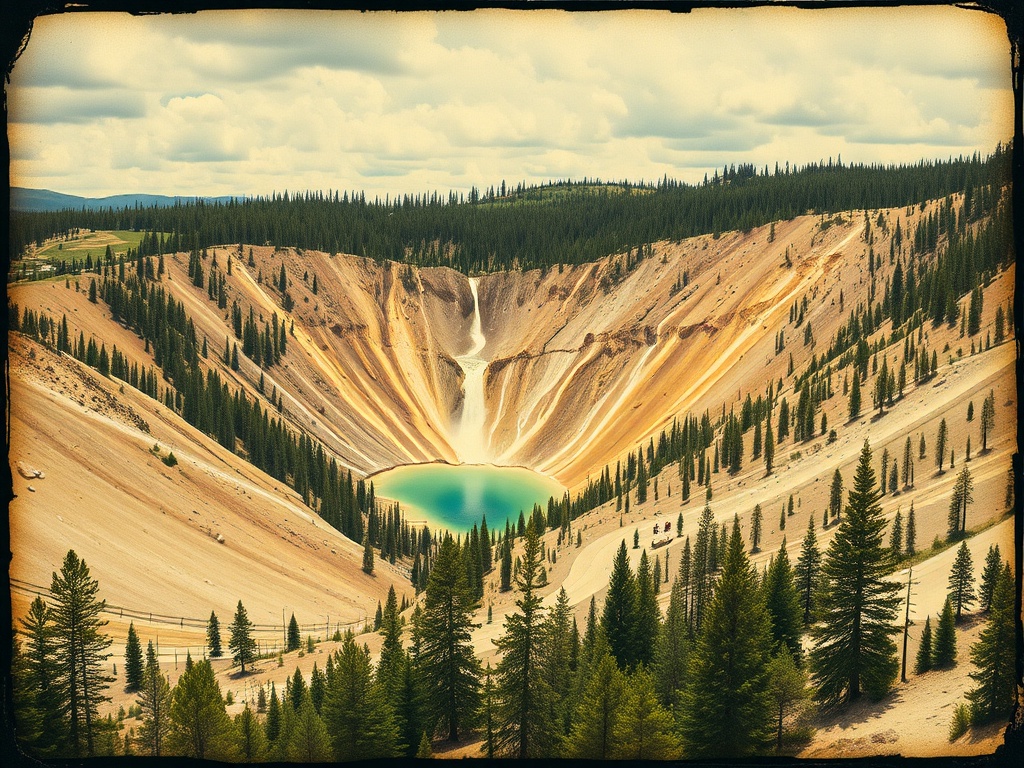
Yellowstone is a place of wonder and responsibility. By respecting its thermal features, wildlife, and shared spaces, visitors help ensure these dramatic landscapes remain vibrant and accessible for future generations of explorers.