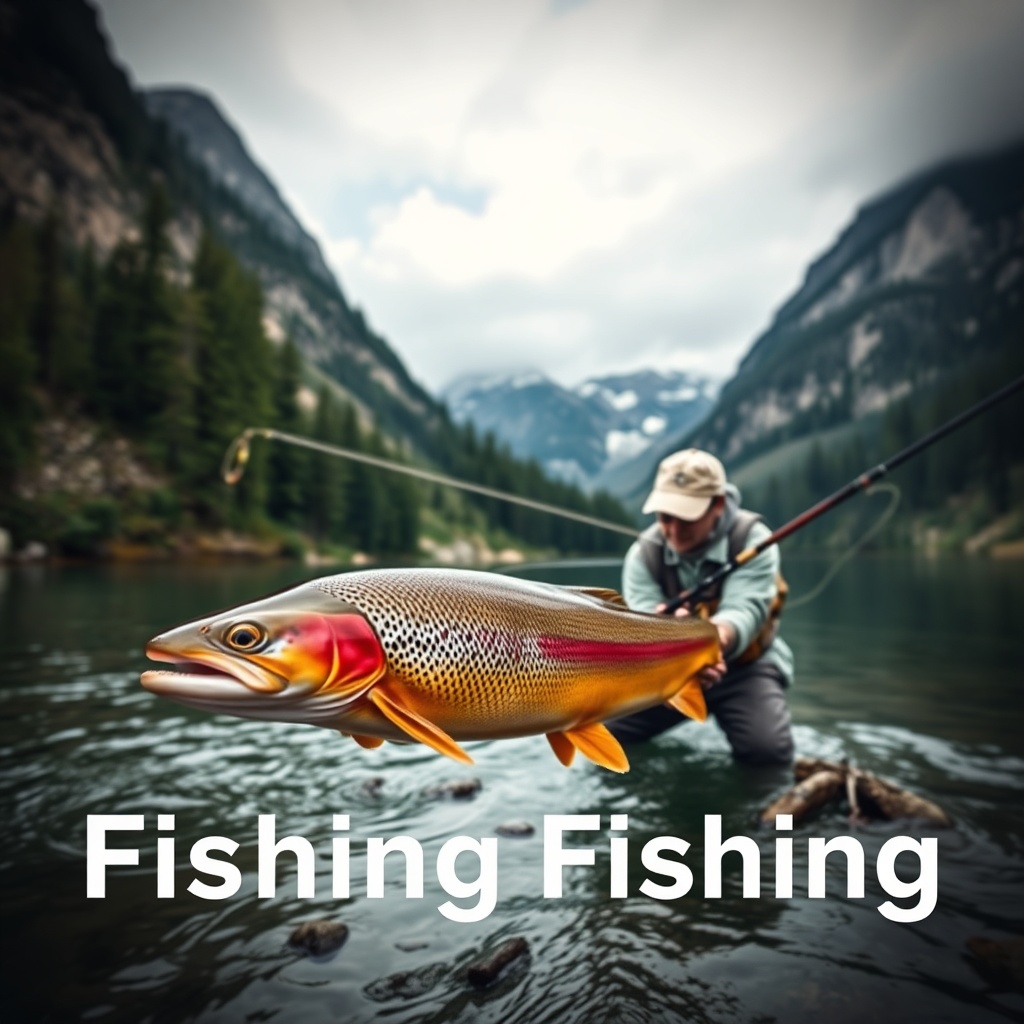
Whether you’re chasing wild cutthroat in a freestone stream, casting streamers for brown trout, or trolling Flathead Lake for lake trout, planning around seasons, water conditions, and local regulations makes every trip more productive.
Top places to target
– Rivers: The Madison, Gallatin, Yellowstone, Bighorn, and Missouri all offer diverse water types—swinging streamers in fast runs, delicate dries on pocket water, and big fish in tailwaters below dams. Each river has unique access points and trout behavior shaped by flow and structure.
– Lakes and reservoirs: Flathead Lake, Fort Peck, and smaller alpine lakes are great for stillwater tactics—trolling, casting lead-core or diving plugs, and lake fly patterns. Reservoirs can hold large trout and provide reliable shore or boat fishing.
– Backcountry streams: For solitude and native species, head to high-country creeks where cutthroat and bull trout thrive.
These waters reward stealth and light tackle.
Techniques that work
– Nymphing: Euro-style nymphing and indicator rigs are the most consistent producers on most rivers. Use light leaders and staggered nymphs (pheasant tail, hare’s ear, zebra midge) for maximum hookups.
– Dry flies and dries-with-droppers: Spring and early summer hatches bring caddis, baetis, pale evening duns, and mayflies. Elk hair caddis, parachute adams, and a small dry-dropper setup will cover rising and inactive fish.
– Streamers: Large woolly buggers, zonkers, and articulation patterns excel when water is high or stained and when trout are feeding on baitfish. Retrieve styles from slow strips to aggressive pulses.
– Stillwater tactics: Use sinking lines, chironomids, leeches, and articulated streamers depending on depth and thermocline. Electronics such as fish-finders help locate structure and suspended fish.
– Ice fishing: Where permitted and safe, ice anglers catch perch, pike, and trout through the ice. Always check ice thickness and local advisories before venturing out.
Gear and rigging
Pack a versatile rod setup: a 3–6 weight for small stream trout and a 6–8 weight for larger rivers and streamer work. Leaders in the 9–12 ft range taper to 4X–6X tippet for nymphs and dries; 2X–3X is better for big streamers.
Keep a net, forceps, and a simple landing cradle or rubber net to reduce handling damage.
Regulations and conservation
A valid fishing license is required for all anglers; special endorsements may be needed for certain waters or species. Limits and season closures vary by river, lake, and type of fish.
Check local fish and wildlife agency updates before heading out. Practice catch-and-release on pressured waters, use barbless hooks, minimize air exposure, and revive fish before release. Follow invasive species protocols: inspect, drain, and dry boats and gear to prevent the spread of mussels and other organisms.
Safety and local knowledge
Montana’s rivers can be deceptively powerful—use a wading staff, wear a wading belt, and consider a personal flotation device on floats. High runoff and low-clearance bridges influence access; scouting and recent trip reports or a local guide can save time and increase success. Hiring a guide is a good investment for unfamiliar waters, complex hatches, or trophy pursuits.
Leave no trace, respect private land, and enjoy the rhythm of Western water. With thoughtful planning and the right approach, Montana fishing rewards patience with scenic beauty and memorable catches.