Top waters and what to expect
– Blue-ribbon tailwaters: Rivers like the Madison, Lower Yellowstone, and the Missouri below Holter Dam are famous for consistent flows, predictable hatches, and big trout.
Drift boats and guided float trips are common on these waters.
– Freestone rivers and creeks: The Big Hole, Bitterroot, and Gallatin provide classic western freestone fishing—spring runoff creates fast, bony water, while late season brings clearer, technical dry-fly action.
– Mountain lakes and backcountry streams: Alpine lakes and small streams produce energetic cutthroat and brook trout. These spots reward hikers and paddlers willing to explore.
– Reservoirs and warmwater fisheries: Flathead Lake and several smaller reservoirs offer kokanee, pike, and bass fishing, great for families and anglers wanting a different experience.
Gear and techniques that work
– Rods and lines: A 4-6 weight rod handles most trout scenarios; a 7-8 weight is useful for larger streamers or windy reservoirs.
Switch to a shorter, stiffer rod for tight canyon fishing.
– Flies: Stock nymph boxes (beadhead pheasant tails, copper johns), a selection of dry flies (PMDs, Adams, caddis), and a few streamers for aggressive fish. Terrestrial patterns—hoppers, ants, beetles—can be deadly in late summer.
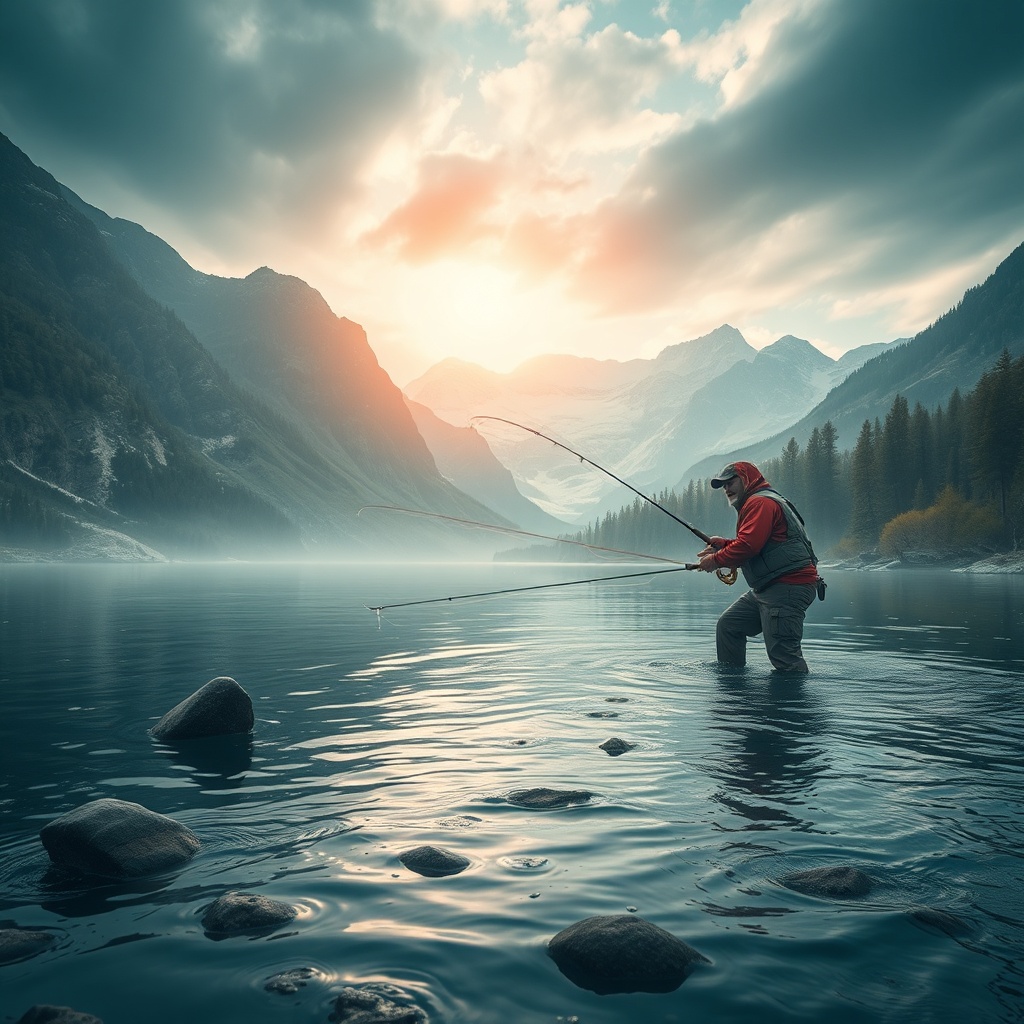
– Methods: Euro nymphing and indicator nymphing are highly effective for deep, clear runs.
Dry-dropper rigs increase strike rates when fish are selective.
On tailwaters, match the hatch and focus on mid-water presentations.
Regulations, access, and conservation
Montana’s fisheries are closely managed; catch limits, special regulations on sensitive waters, and occasional seasonal closures protect native trout and spawning runs. Anglers should check current regulations before every trip and carry the appropriate license. The state’s stream access law gives public right-of-way along navigable rivers up to the high-water mark, but respect private land—use designated access points and leave gates as found.
Conservation-minded angling helps sustain fisheries. Practice selective harvest, use barbless or crimped hooks for easier release, and handle fish with wet hands and minimal air exposure. Preventing the spread of invasive species is critical: clean, drain, and dry boats, waders, and gear between waters and comply with inspection stations when required.
Safety and trip planning
Weather can change rapidly; dress in layers, carry rain gear, and pack a warmth layer for cold-water emergencies. River currents are powerful—wear a life vest when boating or wading in deeper flows. Many productive fisheries sit in bear country; store food properly and carry bear spray where appropriate. For unfamiliar rivers, book a local guide or stop by a fly shop for recent conditions, wading hazards, and hatch information.
Finding more local intel
Local fly shops, guide services, and regional fishing reports are invaluable for up-to-the-minute river conditions, hatch predictions, and access updates. They’ll recommend gear, suggest new water when popular spots are crowded, and often offer guided trips that combine instruction with local knowledge.
Montana fishing blends technical angling with big-sky solitude. With basic preparation—respecting regulations, focusing on conservation, and matching gear and technique to water type—anglers can enjoy memorable days on some of the best trout waters in the country.