Whether you’re chasing big browns on a tailwater or prospecting freestone streams for wild cutthroat, a few practical strategies and local know-how will turn a good day on the water into an unforgettable one.
Where to go and what to expect
– Big rivers: The Missouri River offers long runs, big trout, and consistent nymphing. Yellowstone and Madison-style waters deliver powerful fish and classic dry-fly opportunities. Gallatin and Bitterroot systems provide a mix of technical pocket water and slower riffles.
– Western lakes and rivers: Flathead and its tributaries host lake-run trout and a healthy population of resident species—expect varied tactics from trolling to bank casting.
– Smaller streams: Headwaters and side creeks reward anglers who read water, present small dry flies, and work seams where insects accumulate.
Species and techniques
– Rainbow trout: Aggressive feeders; responsive to streamers, nymphs, and small dries. They dominate many tailwater fisheries and are great for beginners and experts alike.
– Brown trout: Cautious and often large; target undercut banks, tailouts, and deeper runs using streamers or weighted nymph rigs. Evening dry fly sessions and subsurface predators during low light can be especially productive.
– Cutthroat and native trout: Found in quieter backcountry streams and higher-gradient water; delicate presentations with small dries or emergers often win the day.
Effective setups
– Nymphing: A two- or three-nymph rig plus an attractor is a staple. Consider split-shot or light weights for depth control.
Euro-nymphing rigs work exceptionally well in faster, clearer flows.
– Dry-dropper: Combines a visible dry fly with a subsurface nymph or bead head and is versatile across most Montana waters.
– Streamers: Use when targeting larger browns or when fish are holding in structure. Strip with varying cadence and pause to trigger strikes.
Hatches and fly choices
– Think salmonfly and stonefly patterns for big rivers in season, caddis for consistent action, and mayfly patterns in calmer stretches.
Carry size 12–18 patterns depending on water size, with bead-head nymphs and pheasant-tail style patterns covering most subsurface needs.
Regulations and conservation
Always purchase a Montana fishing license before you fish and check local regulations for special closures, catch limits, and bait restrictions. Many fisheries heavily promote catch-and-release and have specific rules for certain reaches. Use barbless hooks or crimp barbs to speed release, keep fish in the water during handling, and minimize air exposure. A rubberized net and wet hands help protect delicate fish slime and improve survival.
Safety and logistics
River flows can change quickly—check current flow reports and be cautious with higher flows or icy banks.
Dress in layers and carry a compact first-aid kit, polarized sunglasses, and a reliable wading staff.
If unfamiliar with a river, consider hiring a local guide; they provide current float or wade conditions, access tips, and can accelerate learning.
Sustainability and local communities
Support local shops and outfitters who depend on healthy fisheries and often share the best nuanced advice for hatch timing and fly selection.
Participate in habitat stewardship programs when possible—healthy rivers depend on angler engagement.
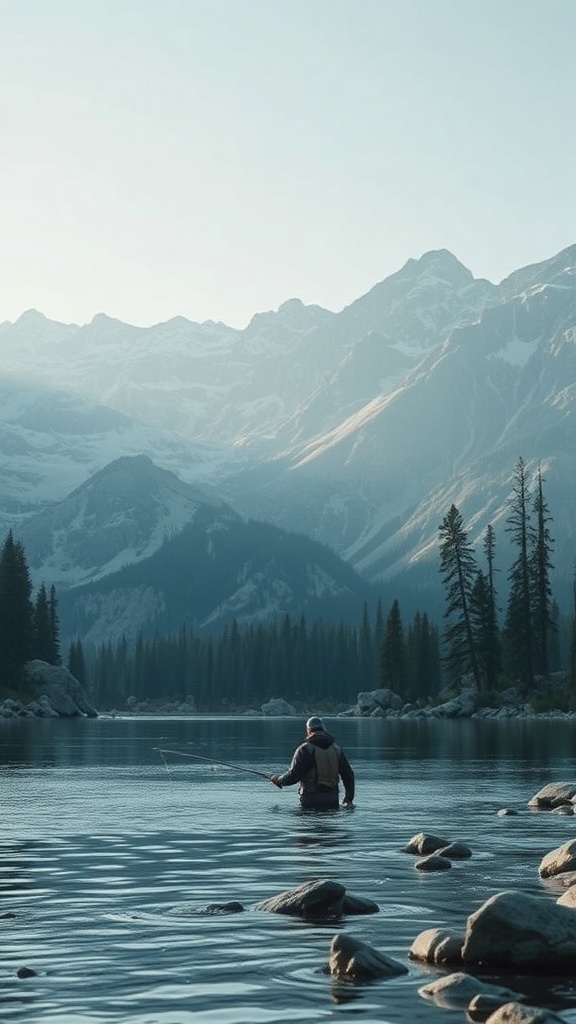
Plan your trip with flexibility, read water carefully, and focus on respectful angling practices. Those elements combined are the best recipe for memorable Montana fishing that benefits both anglers and fish for years to come.