Where to go and what to expect
Montana’s rivers and lakes offer diverse habitat: freestone streams feed classic dry-fly water, spring creeks hold technical trout, and large reservoirs provide boat-based angling for rainbows and cutthroats.
Popular river systems are known for consistent hatches and sight-fishing opportunities, while backcountry lakes and tailwaters can yield less-pressured fish and solitude. For first-timers, guided float trips provide local knowledge on access, fly choices, and drift technique.
Species and tactics
Trout dominate the scene: rainbows, browns, brook trout, and cutthroat — plus native species such as bull trout and Westslope cutthroat in specific waters. Nymphing is often the most productive approach, especially using beadhead pheasant tail or prince nymph patterns beneath an indicator. Dry-fly fishing during mayfly and caddis hatches rewards patience and precise presentation — classic patterns like elk hair caddis, parachute adams, and size-16 to 18 mayfly patterns cover many situations. Streamer fishing for aggressive browns with articulated or weighted streamers produces explosive strikes in lower-light periods.
Stillwater fishing on reservoirs and lakes calls for different tactics: chironomid rigs, leeches, and wets fished below a float or on a sink-tip line are go-to methods. Boat anglers find success varying depth with a lead-core line or downrigger where permitted.
Gear and rigging essentials
Match rod action and line weight to the water: 3- to 6-weight rods suit most trout streams; 7-weight and heavier are useful for lakes, big streamers, or windy conditions. Bring a selection of leaders and tippets from 2X to 6X depending on fish size and water clarity. Use a reliable knot — improved clinch or uni loop — and carry split-shot, strike indicators, and a small forceps for quick hook removal.
Ethics and conservation
Catch-and-release practices are central in many Montana fisheries. Use barbless hooks or pinch barbs flat, wet hands before handling fish, minimize air exposure, and use a rubberized net to protect slime coats. Learn to revive fish in current before release. Prevention of aquatic invasive species is critical: always clean, drain, and dry boats, live wells, and gear between waters to limit spread of zebra and quagga mussels and other hitchhikers.
Respect spawning areas and seasonal closures; check regulations and closures before you go.
Safety and access
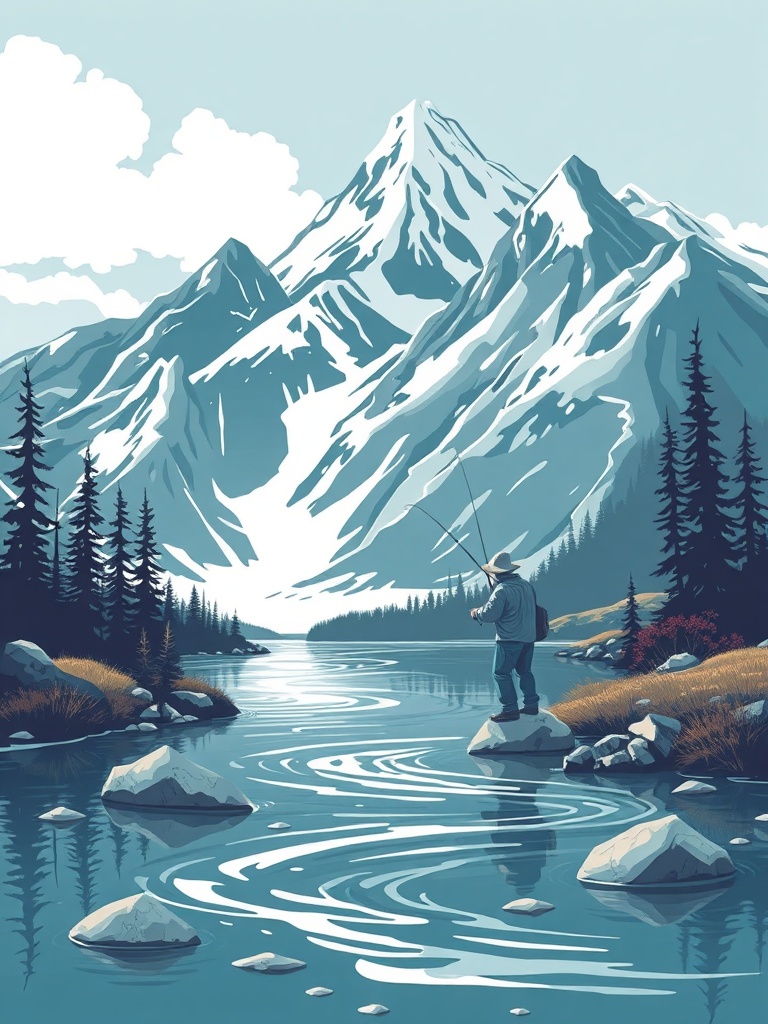
Montana’s weather can shift quickly; bring layers, sun protection, and insect repellant. Wading demands a stable boot and a wading staff in swift water. Float trips require proper flotation devices and knowledge of river hazards. Public access is extensive, but private land surrounds many productive stretches — seek maps, use designated access points, and ask permission when necessary.
Learning and support
Local fly shops and guides are invaluable resources for up-to-date hatch information, recent conditions, and gear.
Joining a local fishing club or conservation group connects anglers to habitat restoration efforts and stewardship initiatives, helping ensure healthy fisheries for future seasons.
By blending careful preparation, respect for the environment, and an adaptive approach to tactics, anglers can enjoy memorable days on Montana waters while contributing to the long-term health of these iconic fisheries.