Top waters and what they offer
– Madison River: Famous for consistent hatches and big brown trout. Great for dry-dropper rigs and streamer work when fish key on baitfish.
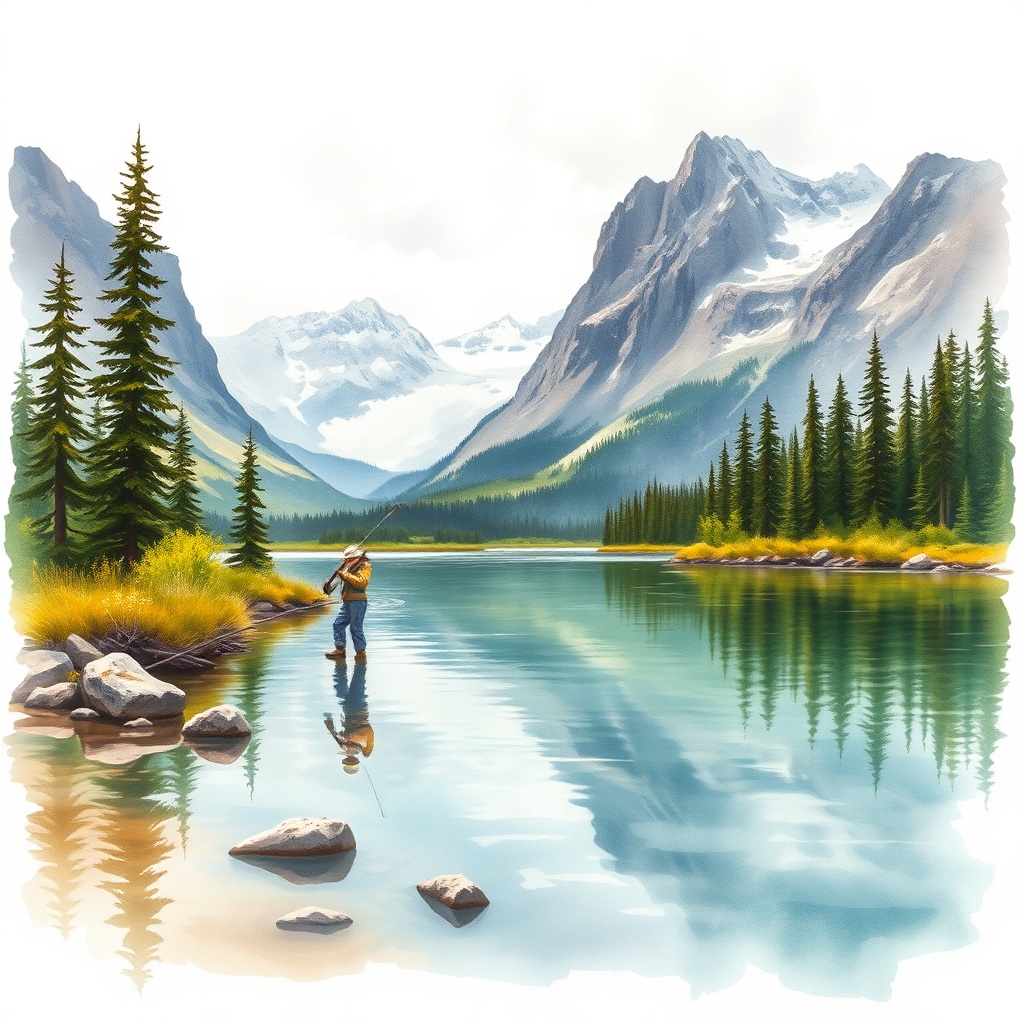
– Yellowstone River: Known for wild trout and long tailouts. Read current flows and focus on riffle-to-pool transitions for active fish.
– Bighorn River and Missouri River: Classic tailwaters below dams that produce big trout year-round. Nymphing and indicator rigs are highly effective; sinking-tip lines help reach deeper fish.
– Flathead Lake and nearby reservoirs: Options for lake trout, kokanee, and native Westslope cutthroat. Trolling and casting with large streamers or spoons can be productive.
– Smaller freestone rivers (Bitterroot, Gallatin, Clark Fork): Excellent for dry fly and light nymphing; prime for anglers who like hiking to quieter water.
Techniques that work
– Dry-dropper rigs combine surface excitement with subsurface presentation. Use a well-tied knot to attach a thin leader and a trailing nymph 12–24 inches below a dry fly.
– Nymphing: Indicators and Euro-nymphing both shine on Montana tailwaters. Match weight and depth to current speed; multiple nymphs of varied sizes boost coverage.
– Streamer fishing: Use a heavier rod (6–9 weight) and vary strip speed. Aggressive strips trigger strikes from larger trout that are feeding opportunistically.
– Matching the hatch: Midges, mayflies, and caddis dominate many hatches. A small fly cluster (midges size 18–22, mayflies 12–18) covers most situations.
Carry a selection of sizes and patterns.
Gear and setup
– Rods: 4–6 weight for small rivers and dry flies; 6–9 weight for streamers and larger rivers.
Consider a switch or Spey rod for long-line casting on broad, fast rivers.
– Lines: Weight-forward floating lines are versatile; carry sinking tips or full-sinking lines for deep tailwater seams.
– Leaders/tippet: 9–12 foot leaders tapering to 3X–7X tippet for dry-fly work; heavier tippets for streamer hookups.
Regulations and conservation
Montana’s stream access law provides public access along navigable waters, but specific regulations vary by river and fishery. Many waters have special rules to protect native species—fly-fishing-only sections, bait bans, or catch-and-release requirements. Native Westslope cutthroat and other sensitive populations benefit from careful handling: use barbless hooks, wet hands, and keep fish in water when possible.
Check local regulations and water-specific restrictions before heading out.
Safety and practical tips
– Watch river flows and be cautious around fast currents; wading with a wading staff improves stability.
– Bear awareness is important in backcountry waters—carry bear spray and know proper food storage.
– Weather in mountain regions can change quickly; layer clothing and carry emergency supplies.
A successful Montana day on the water blends river knowledge, flexible tactics, and a commitment to stewardship. Studying hatch reports, scouting water, and practicing efficient, humane fish handling will keep fisheries healthy and productive for anglers who follow.