Here’s a practical guide to getting the most from a Montana fishing trip.
Why anglers choose Montana
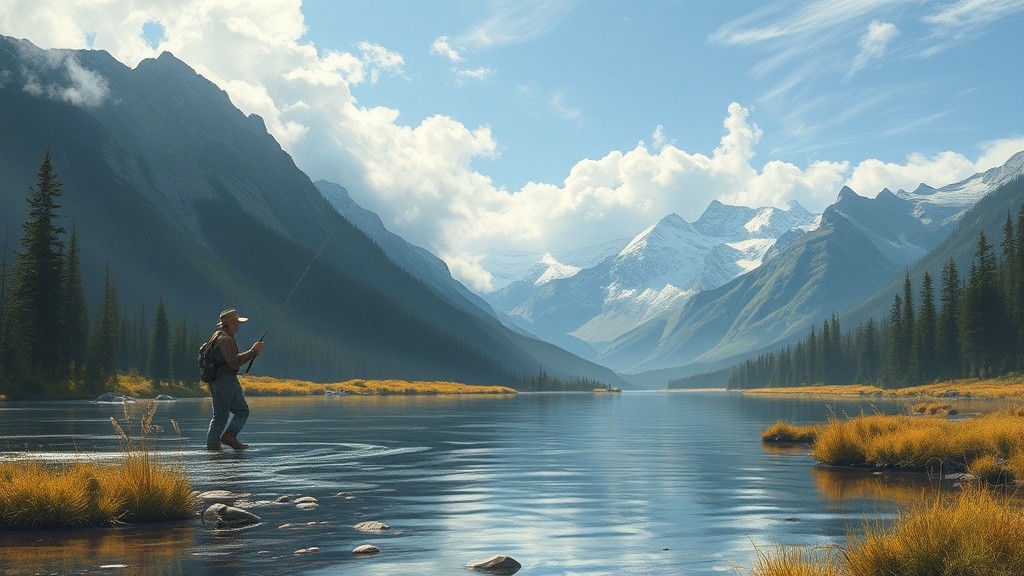
Montana’s rivers and lakes are famous for trophy trout and diverse water types. Long runs like the Yellowstone and the Missouri hold big browns and rainbows; freestone streams such as the Bitterroot and Rock Creek offer technical dry-fly and nymphing opportunities; high-country lakes and reservoirs produce lively brookies, kokanee, and lake trout. Access is a mix of public river corridors, state parks, and private water with guide services available for less experienced visitors.
Top species and where to find them
– Trout: Rainbow, brown, cutthroat, and brook trout dominate. Tailwaters and spring creeks often hold large, predictable trout; freestone rivers provide classic drift and dry-fly action.
– Kokanee and lake trout: Found in larger lakes and reservoirs; trolling and downrigging are common methods.
– Warmwater fish: Smallmouth bass excel in riffles and rocky runs; northern pike and walleye inhabit lower-elevation reservoirs and backwaters.
Essential gear and tackle
– Fly anglers: A 4-6 weight rod covers most trout situations; carry a selection of nymphs, emergers, dries, and streamers.
Euro nymphing gear and light indicators can be especially effective on deep or fast runs.
– Spin anglers: Lightweight spinning rods paired with 4–8 lb line work well for trout; use heavier gear for pike and lake trout. Small spoons, spinners, and soft plastics are productive for warmwater species.
– Boat anglers: Drift boats are ideal for large rivers; kayaks and inflatable drift rafts work for smaller flows. For lakes, trolling motors and downriggers improve presentation for deep kokanee and lake trout.
– Safety gear: Wear an appropriate wader system and a PFD when on the water. Cold hypothermia can occur quickly, even in mild weather.
Techniques that catch fish
– Nymphing: Often the most consistent method on Montana rivers. Match the drift and vary weight and indicator depth until the strike zone is covered.
– Dry-fly fishing: Look for rising fish in slow runs and pocket water; late-day and early-morning hatches can produce spectacular surface action.
– Streamer fishing: Effective for targeting aggressive browns and larger fish holding in deep runs and cut banks.
– Trolling and vertical jigging: Key for finding deep-water kokanee and lake trout in large lakes and reservoirs.
Conservation and etiquette
Respect for the resource keeps fisheries healthy.
Practice selective harvest and follow catch-and-release best practices: handle fish with wet hands, keep them in the water when possible, remove hooks gently, and revive fish before release.
Stick to designated access points and pack out all trash. Check closures and special regulations—some waters have specific rules to protect native species.
Regulations and planning
A valid Montana fishing license is required for anglers. Multiple-day and short-term options exist, and specialized permits may be needed for certain species or waters. Always verify daily limits, bait restrictions, and seasonal closures with Montana Fish, Wildlife & Parks before heading out.
Whatever water is on the itinerary, prioritize safety, follow local rules, and adopt conservation-minded practices.
With a bit of preparation, Montana’s rivers and lakes offer unforgettable fishing and scenery for anglers of every skill level.