Top waters and what they offer
– Madison River: Known for steady hatches and large fish, the Madison rewards dry-fly purists and nymph anglers alike. Float trips offer access to long, productive runs.
– Gallatin River: Diverse water types from riffles to pocket water make the Gallatin a good spot for both beginners and skilled anglers using dries, nymphs, or streamers.
– Yellowstone River: A big-river experience with long riffles and runs. Nymphing and streamer work can produce big fish here.
– Bighorn River: Tailwater fishing with reliable cold-water flows and prolific trout populations—great for consistent action.
– Flathead Lake and surrounding lakes: Offer stillwater fishing and lake trout opportunities with different tactics than rivers.
Gear and rigging basics
– Rod weight: For most trout rivers, a 3–6 weight rod covers the majority of situations. Heavier rods (6–8 weight) are useful for streamer fishing or larger waters.
– Line and leader: Weight-forward floating line with a 9–12 foot tapered leader is common. For nymphing, use a longer leader or braid-to-leader setups. Fluorocarbon tippet in 4X–6X balances invisibility and strength.
– Flies to carry: Key patterns include parachute adams, elk hair caddis, stimulators, pheasant tail nymphs, hare’s ear, copper johns, zebra midges, and woolly buggers. Match the hatch when possible and keep a selection of sizes and colors.
Techniques that work
– Dry-fly fishing: Watch for surface rises and present flies with drag-free drifts.
Shorten casts in windy conditions and mend early to avoid drag.
– Nymphing: Indicator and euro-nymphing techniques are both effective.
Fish subsurface rigs near seams and structure where trout hold.
– Streamer fishing: Strip streamers through deeper runs, tailouts, and undercut banks to provoke aggressive strikes from larger fish.
– Stillwater tactics: Use intermediate or sinking tip lines and retrieve patterns slowly, varying speed and pauses to trigger strikes.
Regulations, safety, and etiquette
Always carry a valid fishing license and review local regulations before heading out—special regulations, seasonal closures, and bait restrictions can vary by water. Respect private property by using designated access points and practicing Leave No Trace. For catch-and-release, handle fish with wet hands, minimize air exposure, use barbless hooks or pinch barbs down, and revive fish in flowing water before release.
Getting local help
Local fly shops and guides are invaluable for current hatch information, water conditions, and boat access. Hiring a guide can dramatically shorten the learning curve on new rivers and increase your odds of landing fish.
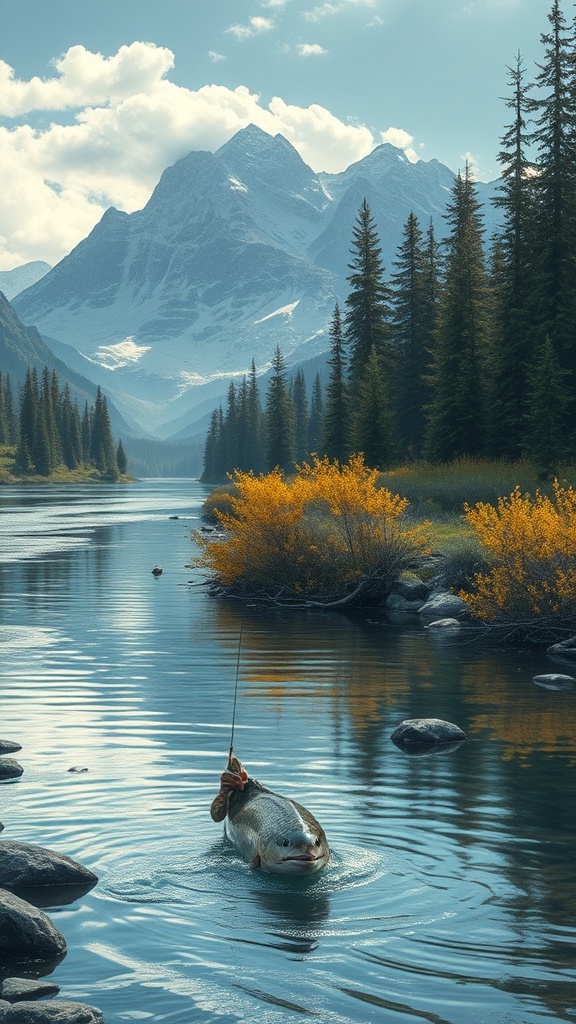
Montana fishing is as much about the experience as the catch. With the right preparation, techniques, and respect for the resource, every outing can be memorable—whether it’s your first drift on a famed river or a quiet morning on an alpine lake.