Montana fishing draws anglers for clear rivers, big trout, and wide-open access to public lands. Whether you’re after dry-fly action on a freestone river, trolling deep in a mountain lake, or pursuing aggressive pike and smallmouth on warm-water systems, a few key strategies and local practices will improve success while protecting the resource.
Where to go and what to expect
– Blue-ribbon trout rivers: Rivers like the Yellowstone, Madison, Gallatin, and Bitterroot consistently produce trout that respond to dry flies, nymphs, and streamers. Expect technical water with pockets and runs that require reading current seams.
– Stillwater and reservoir fishing: Flathead Lake and smaller alpine lakes hold lake trout, rainbows, and kokanee.
Trolling spoons, deep-diving plugs, or vertical jigging are productive approaches for pelagic fish.
– Warm-water fisheries: The Missouri and Yellowstone below dams, plus the Bighorn and lower river systems, offer walleye, smallmouth bass, and northern pike. Cast-and-retrieve lures and live bait presentations often outfish flies here.
– Smaller creeks and tributaries: High-country streams and spring creeks can provide intimate dry-fly opportunities and the chance to target native cutthroat and brook trout.
Tactics that work
– Fly setups: A 4-6 weight rod is versatile for most trout streams; move to a 7-8 weight for big rivers or streamer work.
Build a leader with a strong butt and taper into 4x–6x tippet for nymphing and 3x–5x for larger dries and streamers.
– Nymphing and indicator rigs: Bulkier nymphs and split-shot rigs excel when fish are feeding subsurface. Euro-nymphing shines in faster runs and pocket water where detectability is key.
– Dry-fly basics: Match the hatch by observing mayflies, caddis, and stoneflies. Present upstream with slack and watch for subtle rises.
– Casting for warm-water fish: Use heavier rods and braid-plus-fluoro leaders for pike and bass; large topwater plugs, swimbaits, and spoons trigger strikes.
Essential gear checklist
– Appropriate rod/reel for water and species
– Waders with traction sole and wader belt
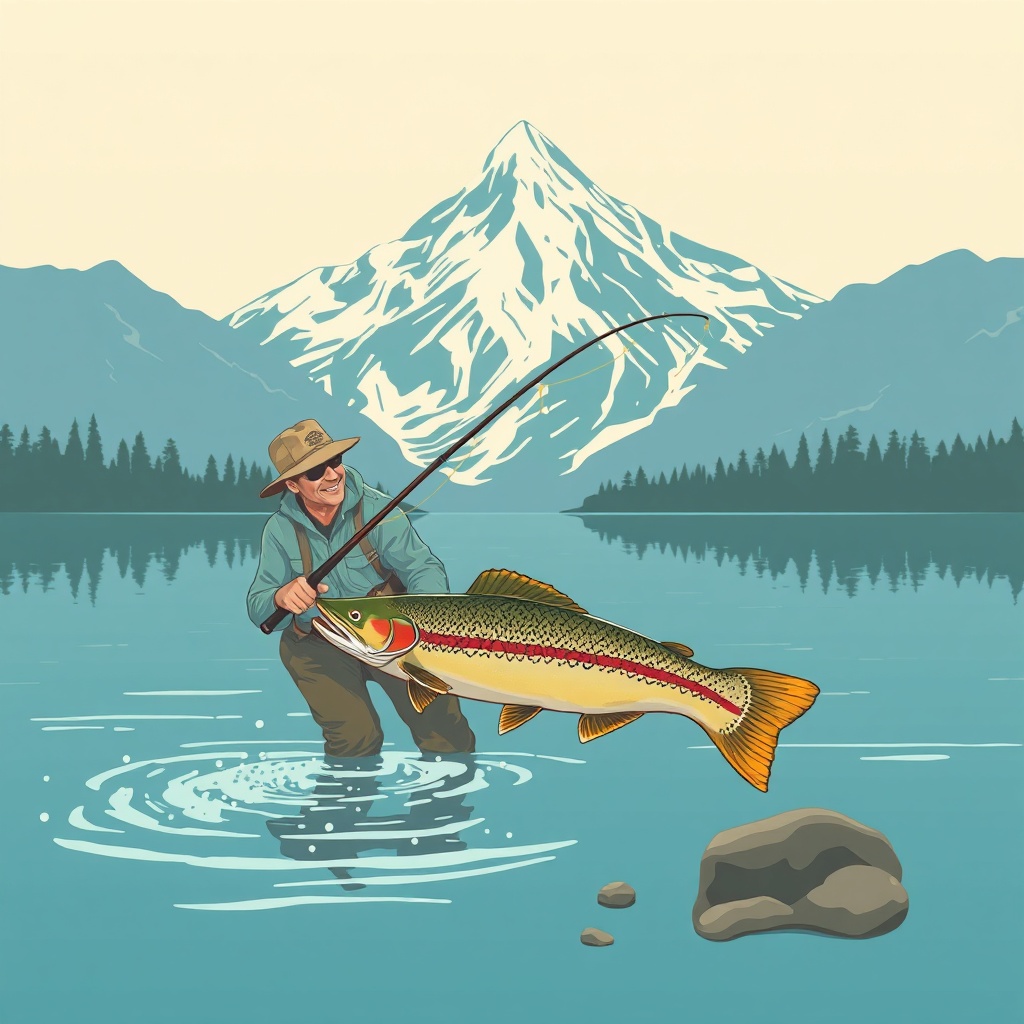
– Polarized sunglasses for spotting and eye protection
– Barbless or crimped hooks to reduce injury
– Landing net and a soft, wet sack or unhooking mat for handling
– Licensed and up-to-date regulation booklet or app
Conservation and angler responsibility
– Check regulations before you go: Bag limits, seasonal closures, and special regulations can vary by river and lake.
Consult Montana Fish, Wildlife & Parks for the latest rules and any area-specific advisories.
– Practice safe handling: Keep fish in the water when possible, use wet hands, release quickly, and revive fish by facing them into current until they swim off.
– Respect private land and public access points: Many productive stretches border private parcels—ask permission where required and leave gates as you find them.
– Invasive species prevention: Clean, drain, and dry boats, nets, and gear between waters to prevent spread of aquatic invasive species.
Local knowledge matters
Supporting local fly shops and guides not only connects anglers with timely hatches and access tips but also contributes to the local community that helps steward these fisheries. Check current river flows and fishing reports before heading out, pack layers for Montana’s variable weather, and always tell someone your float plan when boating remote stretches. With preparation and a conservation mindset, Montana fishing offers rewarding days on the water and memories that keep anglers returning.