Montana fishing is synonymous with wide-open skies, clear rivers, and trophy trout. Whether chasing rainbows, browns, cutthroats, or the occasional bull trout, anglers find world-class opportunities across river systems and high-country lakes. This guide covers where to go, what to use, safety and access essentials, and how to protect these waters for future anglers.
Where to fish
– Big freestone rivers (Missouri, Madison, Yellowstone) offer powerful runs and large trout that reward persistence and good presentation.
– Spring creeks and tailwaters provide consistent flows and dependable dry-fly action, ideal for sight fishing.
– Smaller freestone and freestaging tributaries shine during low flows and for adventurous wading or float trips.
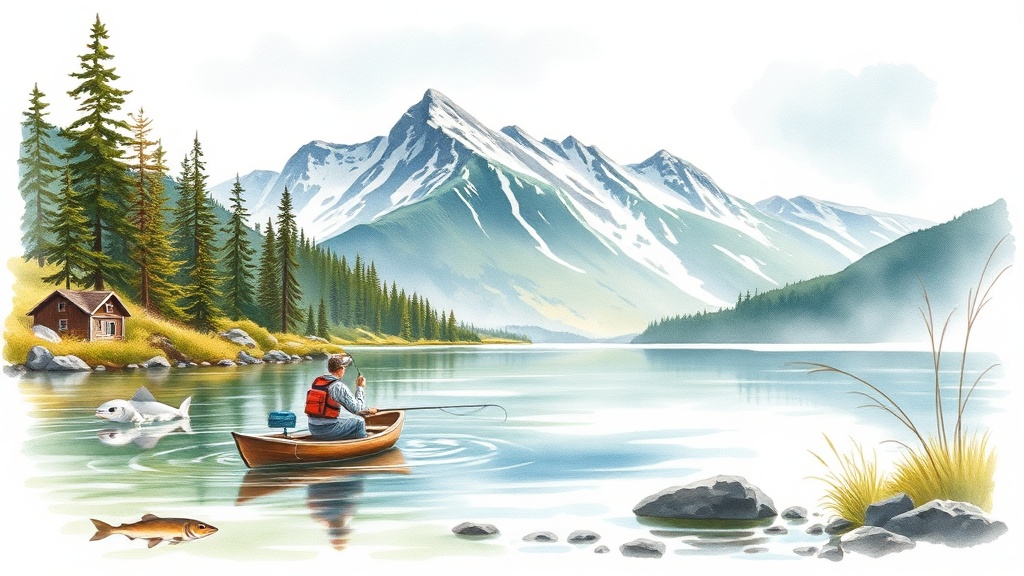
– High-country lakes and alpine ponds produce opportunistic fishing for blue-ribbon cutthroat and brook trout.
Techniques that work
– Dry-fly fishing: Look for rising fish on calmer riffles and runs. Classic patterns like parachute-style mayflies and caddis imitations are reliable. Presentation and drift control beat flashy gear every time.
– Nymphing: Most trout feed subsurface, so indicator rigs or tight-line nymphing with bead-heads, pheasant tails, and midge patterns often produce the most consistent hookups.
– Streamers: Use fast strips of woolly buggers, zonkers, or articulated streamers to provoke strikes from larger browns and rainbows, especially near structures and deeper holes.
– Switch rods and spey-style casting can cover water efficiently on wider rivers and reduce angler fatigue on long floats.
Gear essentials
– A versatile 9-foot 5-weight rod often covers most trout situations, with 6-weight for streamer work and larger rivers.
– Waders with good breathability and a sturdy boot system help when wading variable flows; always wear a wading staff in deeper or faster water.
– Leaders and tippet: 9–12 foot tapered leaders and 4X–6X tippet cover most dry and nymph presentations. Bump up to heavier tippet for streamers and toothy fish.
– Lightweight float tube or boat options expand access on lakes and tailwater pools.
Access, permits, and etiquette
– A fishing license is required; check local regulations and any special rules for specific rivers or stretches before you go. Certain waters have slot limits, barbless hooks requirements, or seasonal closures.
– Familiarize yourself with public access laws for shorelines and streambanks and respect private property and posted boundaries.
– Practice courteous spacing, avoid crowding productive holes, and always follow catch-and-release best practices when handling fish: wet hands, minimize air exposure, use barbless hooks, and revive fish in current when necessary.
Safety and conservation
– Spring runoff can make rivers dangerous; pay attention to flow conditions and avoid overconfident wading. Cold water and hypothermia are real risks year-round.
– Prevent the spread of aquatic invasive species by following Clean, Drain, Dry protocols for boats, float tubes, and gear. Inspect and decontaminate before moving between waters.
– Support habitat restoration and local conservation groups that protect spawning habitat, riparian zones, and water quality—community stewardship keeps fisheries healthy.
Guides and learning
Hiring a local guide can accelerate learning about water-specific tactics, hatches, and boat logistics.
Guides also help anglers explore less crowded options and learn responsible angling practices.
Montana fishing rewards patience, observation, and care for the resource. Pack the right gear, stay informed on regulations and river conditions, and leave the water better than you found it to ensure amazing fishing days for those who follow.