Why people go
– Iconic features: Natural sandstone arches and fins create unforgettable photo opportunities and short, accessible viewpoints for most visitors.
– Outdoor variety: Hiking, rock scrambling, mountain biking on slickrock, off-road driving on BLM trails, guided canyoneering, and rafting options nearby offer a mix for all skill levels.
– Night skies: Low light pollution makes the area ideal for stargazing and astrophotography—clear nights reveal vivid Milky Way views and crisp star fields.
Practical tips for a better visit
– Timing matters: Early mornings and late afternoons deliver cooler temperatures and softer light for photos.
Arriving before sunrise also reduces the hassle of finding parking at the most popular trailheads.
– Hydration and sun protection: Desert conditions can dehydrate quickly. Carry ample water (more than you think), wear a sun hat and UV protection, and pace your exertion during the warmest hours.
– Trails and access: Popular hikes like viewpoint loops and short walks are usually well marked, but some routes require scrambling over slickrock or exposed ledges. Pick a trail that matches your experience and footwear—closed-toe shoes with good traction are recommended.
– Permits and regulations: Some backcountry activities and overnight stays require permits. Park entrances and trail regulations vary, so check official park notices before you go.
Respect seasonal closures to protect wildlife and fragile geology.
– Leave no trace: The sandstone and cryptobiotic soil are fragile.
Stick to established trails, pack out trash, and avoid climbing fragile rock formations or removing any natural features.
Crowd and parking strategies
– Alternate popular stops with quieter areas: If a main viewpoint is crowded, explore nearby less-frequented trails or BLM land outside the park. Many hidden viewpoints offer excellent perspectives without the crowds.
– Consider weekday or shoulder-season visits for fewer people. When parking is limited, shuttle services and guided tours provide convenient access without the stress of finding a spot.
Safety notes
– Flash floods and sudden weather: Desert storms can form rapidly. Avoid narrow canyons during storms and be prepared to turn back if weather changes.
– Altitude and exposure: Even modest elevation and continuous sun exposure can cause fatigue and heat stress. Plan shorter hikes and rest frequently if you feel off.
– Wildlife and pets: Keep a safe distance from wildlife and be aware that pets may be restricted on many trails and viewpoints.
Photography pointers
– Golden hour works magic: Sunrise and sunset create rich tones on sandstone. Bring a tripod for low-light shots and bracket exposures if you want to capture wide dynamic range.
– Composition: Look for foreground elements like rocks or plants to add depth.
Wide-angle lenses highlight vast landscapes while telephoto lenses isolate textures and distant features.
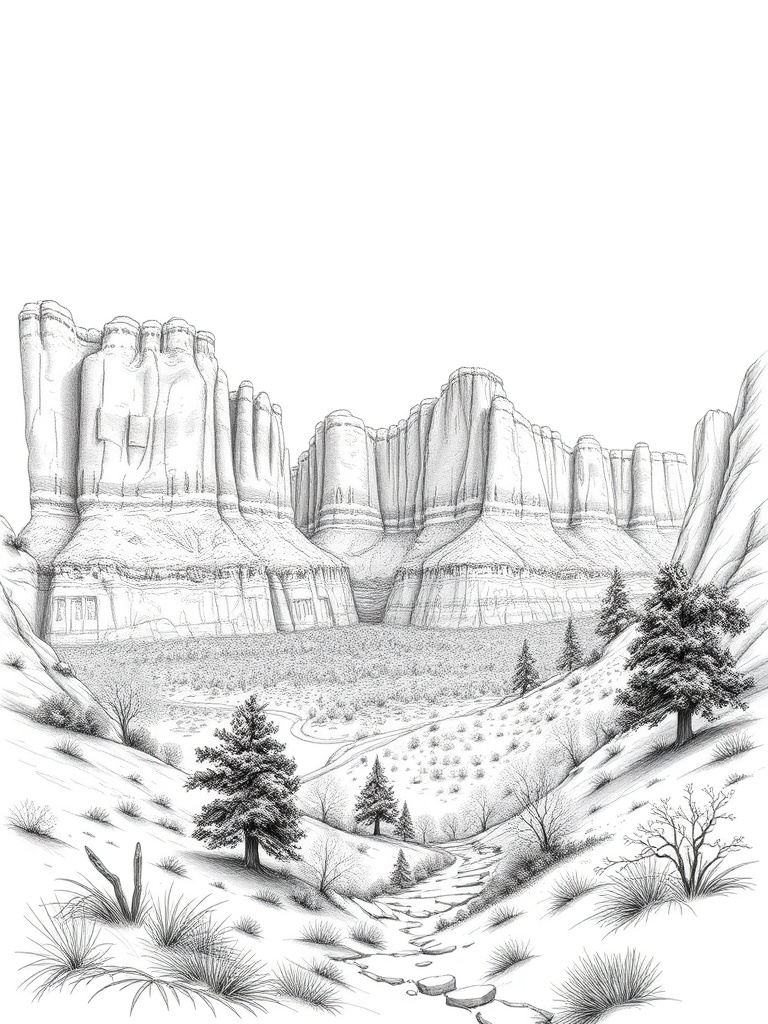
Respecting the landscape enhances everyone’s experience. With thoughtful planning—hydration, weather awareness, permitting checks and trail etiquette—you’ll leave with stronger memories and help preserve the fragile desert for future visitors.